Home Insurance and Water Damage Coverage
Discover what water damage your homeowners policy covers, common exclusions, and steps to protect your home from costly repairs.

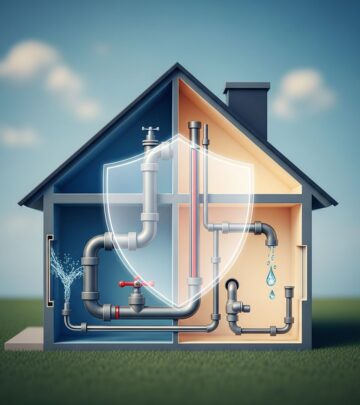
Water damage ranks among the most frequent and expensive claims for homeowners, often resulting from burst pipes, appliance failures, or severe weather. Standard homeowners insurance typically protects against sudden and accidental water intrusions from within the home, but excludes predictable issues or external flooding. Understanding these distinctions helps homeowners avoid unexpected out-of-pocket costs and ensure adequate protection.
Core Principles of Water Damage Protection
Most policies distinguish between sudden and accidental events, which qualify for coverage, and gradual or neglected problems, which do not. For instance, a pipe freezing and bursting during a cold snap may trigger dwelling coverage for structural repairs and personal property coverage for damaged belongings. Coverage applies if the incident could not reasonably have been prevented through routine maintenance.
Policies generally activate for water originating inside the home, such as from plumbing systems or household appliances. Dwelling coverage (Coverage A) addresses the home’s structure, while personal property coverage (Coverage C) handles furniture, electronics, and clothing. However, sub-limits may cap payouts for high-value items like jewelry or computers.
Common Covered Scenarios
Homeowners insurance often reimburses repairs from these abrupt incidents:
- Burst or frozen pipes: Extreme cold causes pipes to expand and rupture, flooding interiors. Coverage includes cleanup, drying, and restoration if heat was maintained as required.
- Appliance malfunctions: Overflow from washing machines, water heaters, or dishwashers due to sudden hose failures or valve issues.
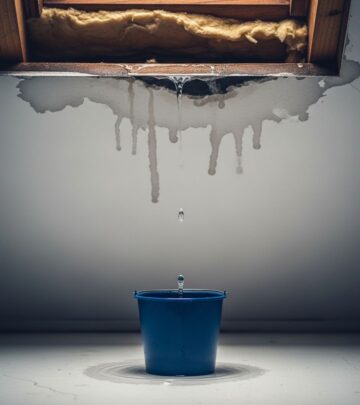
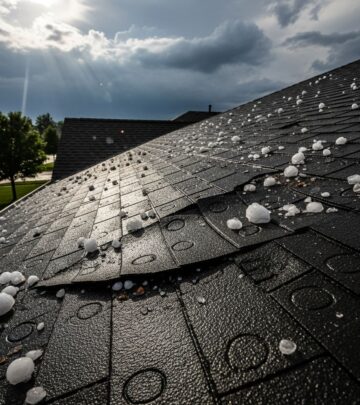
- Storm-induced roof breaches: Wind-driven rain entering through holes from fallen branches or hail-damaged shingles, provided the opening resulted from a covered peril.
- Ice dams: Accumulated ice on roofs melting and refreezing, forcing water under shingles into attics or walls.
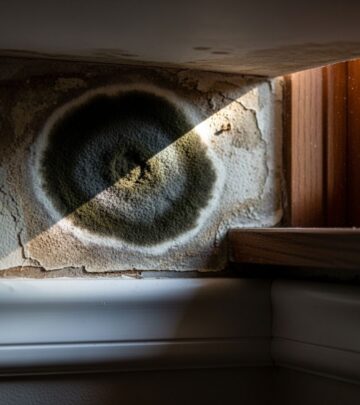
In these cases, insurers may cover mold remediation if it stems directly from the covered event and is addressed promptly, typically within 48 hours.
Frequently Excluded Water Events
Not all water incursions qualify for claims. Standard policies explicitly exclude:
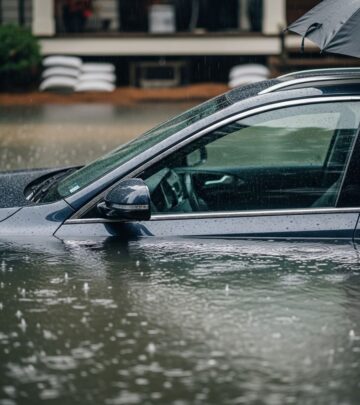
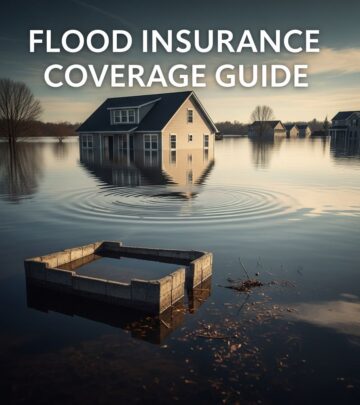
- Flooding: Water rising from ground level, such as river overflows, storm surges, or heavy groundwater saturation, regardless of rainfall amount. This is the top excluded peril, affecting coastal and low-lying areas.
- Sewer or drain backups: Water reversing from municipal systems or sump pumps into basements, often requiring a separate endorsement.
- Gradual leaks: Slow drips from worn faucets, roofs, or foundations due to age, poor upkeep, or unsealed cracks.
- Earth movement-related seepage: Water infiltration tied to soil shifts, landslides, or foundation settling.
| Covered Examples | Excluded Examples |
|---|---|
| Sudden pipe burst from freezing | Slow roof leak over months |
| Appliance overflow | Flood from river overflow |
| Wind-created roof hole + rain | Sewer backup |
| Ice dam melting | Neglected maintenance drip |
Enhancing Your Policy with Add-Ons
To bridge common gaps, consider these endorsements or standalone policies:
- Water backup coverage: Protects against sewer or sump pump failures, typically $5,000–$25,000 limits for $25–$50 annually.
- Flood insurance: Available via the National Flood Insurance Program (NFIP) or private carriers, covering up to $250,000 for structures and $100,000 for contents. Essential even in non-flood zones due to rising climate risks.
- Service line protection: Covers exterior water or sewer line ruptures before they enter the home.
- Extended replacement cost: Boosts dwelling limits for comprehensive rebuilds post-water events.
Review your declarations page annually, especially after severe winters or in flood-prone regions, to confirm these riders.
Preventive Strategies to Minimize Risks
Proactive steps reduce claims and demonstrate due diligence to insurers:
- Winterize plumbing: Insulate exposed pipes, maintain thermostat at 55°F (13°C) minimum, and disconnect hoses.
- Service appliances: Inspect washers, dryers, and water heaters yearly for wear.
- Roof and gutter maintenance: Clear debris seasonally to prevent ice dams and overflows.
- Install safeguards: Sump pumps, backwater valves, and water leak detectors with auto-shutoff.
- Landscaping adjustments: Grade soil away from foundations to divert runoff.
These measures not only avert damage but can qualify homeowners for premium discounts up to 10–15%.
Navigating the Claims Process
If water damage occurs:
- Act fast: Stop the source if safe (e.g., shut off water), document with photos/videos, and contact your insurer within 24–48 hours.
- Mitigate further loss: Remove water, dry areas with fans/dehumidifiers, and discard saturated porous items to prevent mold—insurers expect this effort.
- File accurately: Provide policy number, detailed description, and receipts. Expect an adjuster visit within days.
- Avoid scams: Use licensed contractors; beware of unsolicited repair offers post-disaster.
Average claims payouts range from $10,000–$20,000, but delays in mitigation can lead to denials.
Regional and Climate Considerations
Water risks vary: Northern states face freeze threats, while Southern regions battle hurricanes and floods. Climate change amplifies events—2025 saw record pipe bursts in the Midwest due to polar vortices. Check FEMA flood maps to assess needs; over 20% of claims originate outside designated zones.
Cost Implications and Premium Factors
Water claims drive rate hikes: a single burst pipe incident averages 20–30% premium increases for 3–5 years. Factors influencing costs include location, home age, and claims history. Shop quotes biennially, bundling with auto for savings up to 25%.
Frequently Asked Questions
Does insurance cover mold from water damage?
Yes, if stemming from a covered sudden event and remediated quickly; otherwise, excluded as maintenance-related.
Is rain damage covered if it enters through a window?
Typically yes, if wind or a covered peril broke the window first.
How much does flood insurance cost?
Averages $700–$1,500 yearly via NFIP, based on risk zone and elevation.
What if damage is from a neighbor’s leak?
Your policy’s liability coverage may apply if you’re not at fault; otherwise, their insurance handles it.
Are sump pump failures covered?
No in standard policies; add water backup endorsement.
Key Takeaways for Homeowners
Review your policy’s water perils section, prioritize prevention, and secure flood/backup riders. Consulting an agent ensures tailored protection against this pervasive threat.
References
- Is Water Damage Covered by Home Insurance? — Farm Bureau Financial Services. 2025. https://www.fbfs.com/learning-center/homeowners-insurance-and-water-damage
- Does Homeowners Insurance Cover Water Damage? — Allstate. 2026-01. https://www.allstate.com/resources/home-insurance/water-damage
- Does Homeowners Insurance Cover Water Damage? — Farmers Insurance. 2025-05. https://www.farmers.com/learn/insurance-questions/does-homeowners-insurance-cover-water-damage/
- Does Home Insurance Cover Water Damage? — Progressive. 2025. https://www.progressive.com/answers/does-home-insurance-cover-water-damage/
- Home Insurance & Water Damage: What’s Covered? — Nationwide. 2025. https://www.nationwide.com/lc/resources/home/articles/does-homeowners-insurance-cover-water-damage
- How to Get Insurance to Pay for Water Damage | 11 Steps — C&S Insurance. 2025. https://www.candsins.com/blog/how-to-get-insurance-to-pay-for-water-damage/
- 4 Water Damage Situations Home Insurance Policies May Not Cover — Bravera Bank Insurance. 2025. https://www.bravera.bank/insurance/water-damage
Similar Articles








Read full bio of medha deb