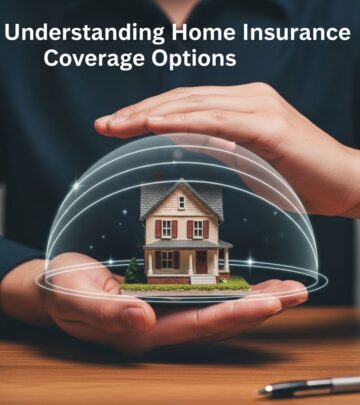
Home Insurance Buyer’s Guide
Navigate the complexities of purchasing home insurance with our detailed roadmap to secure comprehensive protection for your property and peace of mind.

Acquiring home insurance represents a critical step in safeguarding one of the most significant investments many individuals make. This comprehensive resource outlines a structured approach to evaluating, selecting, and purchasing a policy that aligns with your unique circumstances. By understanding core components such as coverage types, policy forms, and cost-influencing factors, you can ensure robust protection against unforeseen events while managing expenses effectively.
Understanding the Fundamentals of Homeowners Policies
Standard homeowners insurance policies bundle several protections into one package, addressing damage to your residence, personal belongings, and potential liabilities. These policies activate only for specified perils, which vary by form. Familiarizing yourself with these elements prevents coverage gaps and overpayment.
Primary Coverage Categories
Every typical policy includes five key areas:
- Dwelling Coverage: Funds reconstruction or repairs to the home’s main structure following covered incidents like fire or storms. Lenders often mandate coverage equaling at least the replacement cost, distinct from market value.
- Other Structures Coverage: Protects detached features such as garages, sheds, or fences, typically insured at 10% of dwelling limits.
- Personal Property Coverage: Reimburses losses to movable items including furniture, electronics, and clothing. Limits usually match 50-70% of dwelling coverage; high-value items may require endorsements.
- Liability Coverage: Covers legal and medical costs if someone is injured on your property or you damage others’ assets. Recommended minimums start at $300,000, with umbrella policies for higher exposure.
- Additional Living Expenses (ALE): Pays for temporary housing and related costs if your home becomes uninhabitable due to a covered loss, often up to 20-30% of dwelling limits.
Common Policy Forms and Perils
Policies differ in perils covered—named versus open perils. Named-peril forms list specific risks like fire, theft, or windstorms, while open-peril (special form) covers all except exclusions such as floods or earthquakes.
| Policy Form | Description | Best For |
|---|---|---|
| HO-1 (Basic) | Minimal named perils | Budget-conscious owners |
| HO-2 (Broad) | Expanded named perils | Standard homes |
| HO-3 (Special) | Open perils for dwelling; named for contents | Most homeowners |
| HO-5 (Premier) | Open perils for both dwelling and contents | High-value properties |
| HO-6 | Condo-specific | Condominium owners |
| HO-8 | Replacement cost for older homes | Historic or depreciated structures |
Exclusions commonly include floods, earthquakes, wear-and-tear, and intentional damage. Separate policies or riders address these.
Assessing Your Coverage Requirements
Determining appropriate limits involves more than lender minimums. Accurate estimation protects against underinsurance, where payouts fall short of rebuild costs.
Calculating Replacement Cost
Replacement cost estimates the expense to rebuild using current materials and labor, ignoring land value. Tools from insurers or appraisers help; factor in local construction rates, home size, and features like roofs or foundations. Aim for 100% coverage to avoid coinsurance penalties, where you bear partial losses if underinsured.
- Consider inflation and regional material costs.
- Account for upgrades like custom features.
- Review annually as values fluctuate.
Evaluating Personal Assets and Liability Needs
Inventory belongings with photos or lists for personal property claims. For liability, tally net worth including savings, investments, and future earnings to set limits. High-net-worth individuals benefit from $1 million+ via umbrella add-ons.
Navigating Deductibles and Premium Structures
Deductibles represent your out-of-pocket expense per claim before insurer payment. Higher deductibles lower premiums but demand savings readiness.
| Deductible Type | Typical Amount | Impact on Premium |
|---|---|---|
| Flat Dollar | $1,000-$5,000 | Higher deductible = lower premium |
| Percentage (e.g., Wind/Hail) | 1-5% of dwelling | Common in high-risk areas |
| Split | Combines both | Flexible for varied perils |
Premiums hinge on home age, location, claims history, credit, coverages, discounts, and bundling. Protective devices like alarms yield 5-15% savings; multi-policy bundles save more.
Strategies for Comparing and Obtaining Quotes
Shop 4-6 weeks pre-closing for leverage. Gather home details: square footage, construction year, roof type, proximity to fire hydrants.
- Research Insurers: Review financial strength via A.M. Best ratings and customer satisfaction from J.D. Power.
- Request Quotes: Provide consistent info for apples-to-apples comparisons. Online tools or agents assist.
- Evaluate Beyond Price: Check claims handling, local presence, and exclusion variances.
- Leverage Discounts: Loyalty, claims-free, smart home tech.
Enhancing Protection with Optional Endorsements
Base policies exclude many risks; endorsements fill gaps:
- Flood/Earthquake: Mandatory via NFIP or private carriers in prone areas.
- Water Backup: Sump pump failures.
- Scheduled Items: Jewelry, art at replacement value.
- Extended/Guaranteed Replacement: Covers cost overruns; GRC has no cap but costs more.
Timing and Integration with Home Purchase
Secure a binder policy on closing day, effective immediately. Lenders verify via declaration page. Transition from renters insurance seamlessly.
Frequently Asked Questions
What if my home is newly built?
New constructions often qualify for lower rates due to modern standards, but confirm builder warranties don’t overlap.
How does credit affect rates?
In permitted states, strong credit correlates with lower premiums as it predicts fewer claims.
Can I switch providers mid-policy?
Yes, but align effective dates to avoid gaps; prorate refunds apply.
Does insurance cover home businesses?
Limited; business pursuits endorsement needed for home offices.
How often should I review my policy?
Annually or after renovations, life changes, or market shifts.
Final Steps to Secure Your Policy
Once selected, review the full policy document, confirm endorsements, and set autopay. Document your home pre- and post-move for claims readiness. This proactive process ensures tailored, cost-effective protection.
References
- A Consumer’s Guide to Home Insurance — NAIC. 2023. https://content.naic.org/sites/default/files/publication-hoi-pp-consumer-homeowners.pdf
- Homeowners Insurance 101: A Buyer’s Guide to Protecting Your Home — Dean Draper Insurance. 2024-03-15. https://www.deandraper.com/blog/homeowners-insurance-101-a-buyers-guide-to-protecting-your-home
- How to Buy Homeowners Insurance: A First-Time Buyer’s Guide — Matic. 2025-01-10. https://matic.com/how-to-buy-homeowners-insurance/
- How to buy homeowners insurance for the first time — Progressive. 2024-11-20. https://www.progressive.com/answers/first-time-homebuyers-guide-to-insurance/
- Choose the Best Homeowners Insurance for You — Consumer Reports. 2025-02-05. https://www.consumerreports.org/money/homeowners-insurance/buying-guide/
Similar Articles








Read full bio of medha deb