Home Inspection Guide: Inspection Day Essentials
Master your home inspection day with this detailed guide to what inspectors check, buyer preparation tips, and how to interpret findings for smarter decisions.

Navigating the home inspection process is a pivotal moment in buying a property. This comprehensive guide outlines what typically occurs on inspection day, key areas professionals evaluate, and actionable advice for buyers to maximize the value of the assessment. Understanding these elements empowers you to make informed decisions about potential purchases.
Why Home Inspections Matter for Buyers
Professional home inspections reveal hidden defects that could cost thousands in repairs. Inspectors systematically review major components like the foundation, roof, electrical systems, plumbing, and HVAC to identify safety hazards, structural weaknesses, and maintenance needs. Buyers use these findings to negotiate repairs, price reductions, or even back out of deals if major issues arise.
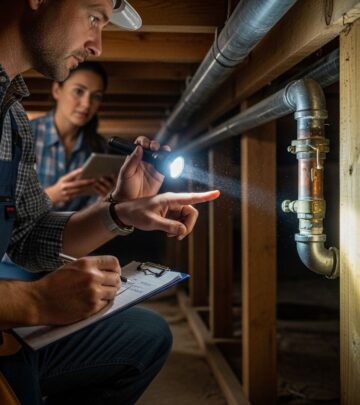
Expect the inspection to last 2-4 hours for a standard single-family home, depending on size and age. Arriving prepared enhances your experience and helps spot concerns firsthand.
Preparing for Your Inspection Appointment
Buyers should coordinate with their agent to schedule the inspection promptly after going under contract, typically within 7-14 days. Confirm access details, including any locked areas like attics or crawlspaces. Bring a notebook, flashlight, and questions about specific worries, such as past water damage or outdated wiring.
- Review the seller’s disclosure for known issues.
- Attend the inspection if possible to observe directly.
- Discuss priorities with your inspector beforehand, like pest checks in wooded areas.
Having utilities turned on ensures tests for water pressure, electrical outlets, and HVAC functionality.
Core Areas of a Thorough Home Inspection
Inspectors divide properties into key categories: exterior, structural, interior living spaces, mechanical systems, and appliances. Each receives detailed scrutiny for functionality, safety, and longevity.
Evaluating the Exterior and Grounds
The outer shell protects against weather and pests. Inspectors check for proper grading where soil slopes away to prevent water pooling near foundations—no standing water or erosion should be evident.
- Roof condition: Shingles intact, no missing pieces, flashing secure around chimneys and vents.
- Siding and trim: No cracks, rot, peeling paint, or signs of asbestos in older homes.
- Gutters and downspouts: Clean, securely attached, directing water away.
- Decks, porches, and railings: Sturdy, no splintering or loose boards; railings graspable and stable.
- Driveways, walkways, and garages: Even surfaces, no major cracks; garage doors with working auto-reverse sensors.
Tree branches overhanging the roof or touching the house signal potential damage risks.
Assessing Structural Integrity
The home’s skeleton—foundation, framing, and supports—must bear loads without compromise. Cracks wider than 1/4 inch in concrete warrant attention, as do bowing walls or sagging beams.
| Area | Common Checks | Red Flags |
|---|---|---|
| Foundation | Cracks, settlement, water intrusion | Horizontal cracks, efflorescence (white powdery residue) |
| Framing/Beams | Levelness, insect damage, rot | Sagging floors, notches in load-bearing wood |
| Attic/Crawlspace | Ventilation, insulation, vapor barriers | Mold, inadequate R-value insulation, pest entry points |
Adequate attic ventilation prevents moisture buildup, while crawlspaces need vapor barriers and venting to avoid dampness.
Interior Spaces and Livability Features
Inside, focus shifts to daily usability. Floors should not slope, creak excessively, or show water stains; walls and ceilings free of major cracks or bulging.
- Doors and windows: Operate smoothly, seals intact, no drafts.
- Stairs: Even risers/treads, secure handrails.
- Fireplaces: Clean flue, no masonry cracks, proper damper function.
- Smoke/CO detectors: Installed, functional per code.
Spot-check electrical outlets for grounding and GFCIs near water sources.
Mechanical Systems Deep Dive
Vital utilities power modern living. Electrical panels should have no double-tapped breakers, overheating, or aluminum wiring without upgrades.
- Plumbing: Pipes free of leaks, good water pressure (40-80 PSI), drains clear; water heater sediment-free, TPR valve working.
- HVAC: Units sized appropriately, filters clean, ducts sealed; furnace heat exchanger intact.
- Electrical: Service capacity adequate (200+ amps for newer homes), no exposed splices.
Sump pumps, if present, test operational to handle groundwater.
Appliances and Built-Ins
While optional, inspectors often review major items like ranges, dishwashers, and laundry units for safe operation. Check for gas leaks, proper venting, and manufacturer labels.
Common Discoveries and Their Implications
Minor issues like worn caulk or outdated fixtures are typical, but prioritize safety concerns such as faulty wiring or roof leaks. Water damage appears in 80% of inspections, often from poor grading or clogged gutters.
Pest evidence, like termite tubes or rodent droppings in crawlspaces, may require separate eradication reports. Structural settling is common in older homes but excessive movement signals foundation work.
Leveraging Your Inspection Report
Reports arrive within 24-48 hours, featuring photos, diagrams, and prioritized recommendations—satisfactory, deficient, or safety hazards. Share with your agent to request seller concessions.
- Estimate repair costs via contractor quotes.
- Negotiate credits or repairs before closing.
- Re-inspect agreed fixes.
If issues exceed 1-2% of home value, consider walking away.
Buyer Checklist for Inspection Day
Use this printable checklist to track observations alongside the professional.
| Category | Items to Verify |
|---|---|
| Exterior | Roof, siding, grading, railings |
| Structural | Foundation cracks, attic insulation |
| Interior | Floor levelness, doors/windows |
| Systems | Electrical outlets, water pressure, HVAC |
| Appliances | Water heater, built-ins |
Frequently Asked Questions (FAQs)
How long does a home inspection take?
Typically 2-4 hours for average homes; larger or older properties may require more time.
Can sellers attend the inspection?
Usually not, to allow open discussion, but they may request summaries afterward.
What if major issues are found?
Buyers can renegotiate terms or terminate per contingency clauses.
Should I get a radon or mold test?
Add-ons recommended in high-risk areas; discuss with your inspector.
Is the inspection report negotiable?
No, but interpretations and responses are part of buyer-seller talks.
Choosing a Qualified Inspector
Select certified professionals affiliated with groups like ASHI or InterNACHI. Review samples, verify licensing, and check reviews. Avoid seller-recommended inspectors to ensure impartiality.
A strong inspector explains findings verbally and provides a detailed digital report with actionable advice.
References
- Crafting a Comprehensive Home Inspection Checklist — HomeGauge. 2023. https://www.homegauge.com/learning/home-inspection-checklist/
- House Inspection Checklist: What Do Home Inspectors Look For? — Zillow. 2024-10-15. https://www.zillow.com/learn/home-inspection-checklist/
- In-Depth Analysis: Home Inspection Checklist — HAR.com. 2024. https://www.har.com/ri/1606/in-depth-analysis-home-inspection-checklist
- Total Home Inspection Checklist — Total Home Inspection. 2023. https://www.totalhomeinspection.com/totalhomeinspectionchecklist.pdf
- A buyer’s home inspection checklist — Rocket Mortgage. 2024-11-01. https://www.rocketmortgage.com/learn/home-inspection-checklist
- Home Inspection Checklist for Buyers — Guild Mortgage. 2024. https://www.guildmortgage.com/blog/home-inspection-checklist-for-buyers/
- The Ultimate Home Inspection Checklist for 2026 — Amerisave. 2026-01-01. https://www.amerisave.com/learn/the-ultimate-home-inspection-checklist-what-every-buyer-needs-to-know
- Home Inspection Checklists — InterNACHI. 2024. https://www.nachi.org/home-inspection-checklist.htm
Similar Articles








Read full bio of Sneha Tete