Home Inspection Checklist For Buyers: What To Know
Complete home inspection checklist guide for buyers to identify property issues before purchase.
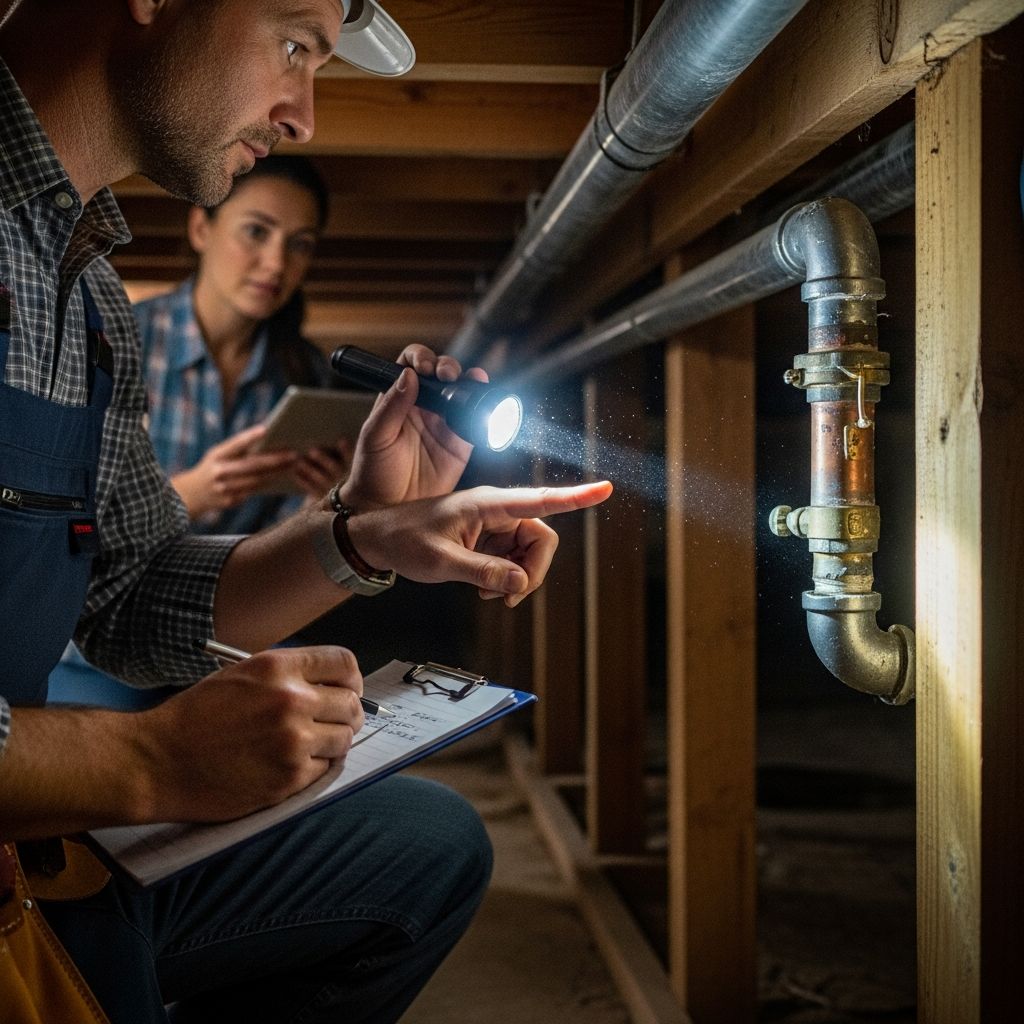
A professional home inspection is your opportunity to uncover any significant problems before committing to a home purchase. Understanding what your home inspector evaluates and what to expect from the inspection process empowers you to make informed decisions about your investment. The results of a comprehensive home inspection can guide your negotiation strategy with the seller and help determine which repairs should be addressed before closing.
Understanding the Home Inspection Process
A professional home inspection checklist examines a home’s physical components and systems, both inside and out. While inspection standards may vary slightly between inspectors and regions, most comprehensive evaluations follow similar protocols established by the International Association of Certified Home Inspectors. Knowing what your inspection covers—and what it doesn’t—helps you understand the inspector’s findings and plan your next steps accordingly.
Exterior Components Assessment
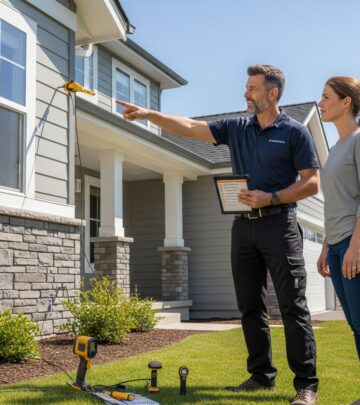
The exterior of your home serves as the first line of defense against weather and environmental elements. Home inspectors conduct thorough evaluations of all exterior components to identify potential vulnerabilities that could lead to costly repairs or structural damage.
Roof and Roof-Related Features
Inspectors examine the roof’s overall condition, looking for loose or missing shingles, deteriorated flashing, and proper drainage. They assess chimneys for cracks, loose bricks, and structural integrity. Roof penetrations such as skylights and vents are checked to ensure they’re properly sealed. Gutters and downspouts are evaluated for debris accumulation, secure fastening, and proper drainage away from the foundation.
Foundation and Structural Elements
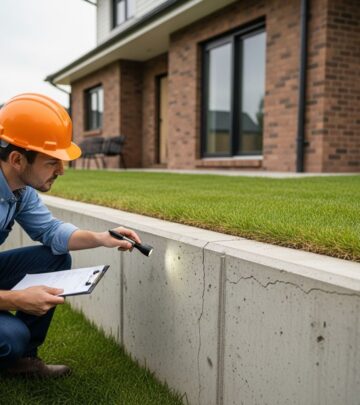
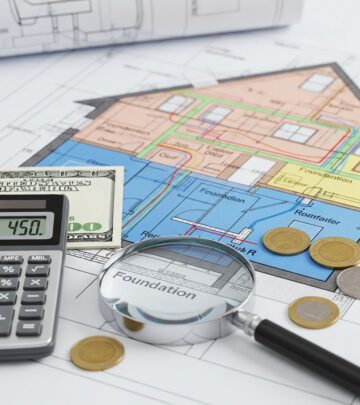
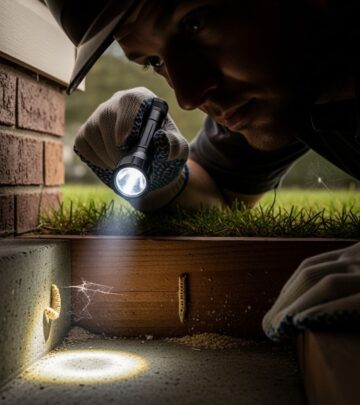
The foundation represents one of the most critical components of any home. Inspectors carefully examine the foundation for cracks, settlement issues, water damage, and signs of moisture intrusion. They assess grading and drainage patterns around the property to ensure water flows away from the foundation rather than pooling against it. Crawl spaces are inspected for structural damage, wood rot, pest infestation, and moisture problems.
Siding, Doors, and Windows
Inspectors evaluate siding materials for damage, deterioration, and proper installation. They check exterior doors for secure operation, weather stripping condition, and proper sealing. Windows are assessed for functionality, visible damage, cracked panes, and weather-resistant sealing. Any gaps or cracks around openings are noted as potential entry points for moisture and pests.
Driveways, Walkways, and Outdoor Structures
Concrete driveways and walkways are inspected for cracks, uneven surfaces, and safety hazards. Decks, patios, porches, and railings are evaluated for structural integrity, proper code compliance, and safety concerns. Balconies and steps are checked for uniformity and safe height angles. Exterior structures such as garages, carports, sheds, pools, and fencing are included in the comprehensive assessment.
Interior Inspection Areas
The interior inspection covers all living spaces and mechanical systems within the home. Inspectors systematically evaluate every room and system to identify functional issues and safety concerns.
Kitchen Evaluation
Kitchen inspections focus on both appliances and plumbing functionality. Inspectors check built-in appliances, sink fixtures, faucets, and sprayers for proper operation. Visible plumbing under the sink is assessed for leaks and proper installation. Exhaust fans are tested for adequate ventilation, and shut-off valves are located and tested for accessibility.
Bathroom Assessment
Bathrooms are thoroughly inspected for plumbing functionality and water damage. Inspectors examine visible plumbing under sinks, all fixtures, toilets, tubs, and showers. Caulking around tubs and showers is assessed for deterioration or water penetration. Ceiling conditions are evaluated for moisture stains or damage, and exhaust fans are tested for proper ventilation capability.
General Interior Components
Throughout all interior rooms, inspectors evaluate walls, floors, and ceilings for visible damage, water stains, or structural concerns. Doors and windows are tested for smooth operation and proper weatherproofing. Stairways, steps, and landings are examined for safety compliance, proper construction, and secure railings. Cabinets and countertops are inspected for functionality and damage.
Attic, Basement, and Crawl Space Inspection
These areas reveal critical information about your home’s structural condition and potential moisture problems.
Attic Inspection
Attic inspections examine roof structure from the interior, soffit vents, end louvers, and electrical splices. Insulation levels and ventilation adequacy are assessed to ensure proper climate control and moisture management. Exhaust ducts from bathrooms and kitchen are checked to confirm they vent to the exterior rather than into the attic, which could cause moisture problems.
Basement and Crawl Space Assessment
Basement inspections include evaluation of foundation walls, sump pumps, windows, insulation, and plumbing. Inspectors look for signs of water intrusion, efflorescence, or moisture damage. Crawl spaces are examined for proper ventilation, adequate insulation, and structural support beams. Moisture barriers and signs of pest activity are carefully noted.
Major Home Systems
Professional inspectors conduct detailed evaluations of all major systems that keep your home functioning properly and safely.
Electrical System
Inspectors examine service equipment, drops, grounding, and main disconnects. They evaluate service cables, entrance conductors, and raceways for proper installation and safety. Light fixtures, receptacles, and power switches throughout the home are tested. Overcurrent protection devices and circuit interrupters are verified for proper functionality and code compliance.
Plumbing System
The plumbing inspection includes water heater assessment, all fixtures and faucets, sump pumps, sewage ejectors, and drain, vent, and waste systems. Inspectors check for leaks, proper water pressure, and adequate drainage. They verify shut-off valve locations and functionality for emergency situations.
HVAC Systems
Heating, ventilation, and air conditioning systems are thoroughly evaluated for proper operation and efficiency. Inspectors test thermostats, evaluate vents and distribution systems, and examine access panels. Insulation and vapor retarders are assessed to ensure proper climate control and energy efficiency.
Safety Features and Compliance
Home inspectors prioritize safety by evaluating all critical safety systems and features throughout the property.
Smoke and Carbon Monoxide Detection
Inspectors verify that smoke detectors are installed in appropriate locations near sleeping areas and away from cooking areas. Carbon monoxide alarms are checked for proper placement and functionality. The inspector confirms detectors are functioning correctly and properly positioned according to safety codes.
Ground Fault Interrupters and Safety Glass
Ground fault interrupters (GFIs) are special plugs in bathrooms and kitchens that protect against electrical shock where water and electricity are in proximity. Inspectors verify these are properly installed and functioning. Safety glass is evaluated for areas near stairs, tubs, and showers to ensure tempered glass is used in these hazardous locations.
Stairs and Railings
Indoor and outdoor stairs are assessed for uniform, safe height and angle. Stairs are verified to be built to code with proper materials and construction. Handrails and guardrails are inspected for correct installation, secure mounting, and appropriate placement according to safety standards.
Additional Systems and Components
Beyond major systems, inspectors evaluate various other important components that affect home functionality and safety.
Fuel-Burning Appliances
Fireplaces, wood stoves, and other fuel-burning appliances are inspected for visible damage, proper construction, and functionality. Dampers and cleanout doors are examined. Lintels above fireplace openings are assessed for structural integrity.
Garage and Garage Doors
Garage doors and their operators are tested for smooth, safe operation. Automatic door openers are verified to have proper safety reversal mechanisms. The garage structure itself is evaluated for safety and functionality.
Exterior Drainage and Grading
Proper drainage is essential for preventing water damage and foundation problems. Inspectors evaluate how water flows around the property, checking vegetation placement, surface grading, and retaining wall functionality to ensure adequate drainage away from the home’s foundation.
Finding the Right Inspector
Selecting a qualified home inspector is crucial for obtaining accurate, comprehensive evaluation results. Connect with your real estate agent for recommendations or conduct your own research to find someone who is highly knowledgeable and familiar with your local area. A local inspector familiar with regional construction practices and common issues in your area provides valuable insights specific to your property.
Identifying Deal-Breakers
Before the inspection, consider what defects would make it impossible for you to complete the purchase. Serious issues such as mold, lead-based paint, asbestos, or significant structural problems might be deal-breakers that warrant walking away from the transaction. Understanding your limits helps you evaluate the inspector’s findings more strategically and negotiate with the seller about repairs or credits.
Understanding Inspection Results
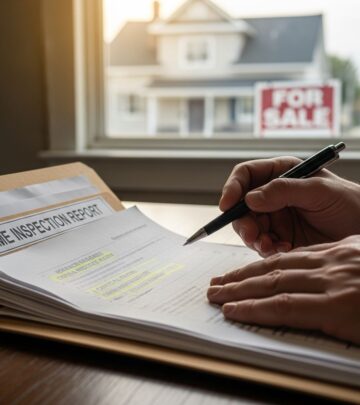
After the inspection, carefully review the detailed report with your real estate agent. The inspector’s findings help you understand the home’s true condition and guide your next steps. You may request the seller to cover the cost of repairs for significant issues, negotiate credits, or request repairs be completed before closing. The inspection results provide leverage in negotiations and help ensure you’re making an informed investment decision.
Frequently Asked Questions
Q: What is included in a standard home inspection?
A: A standard home inspection covers the home’s physical components and systems, including the roof, foundation, exterior, interior rooms, attic, basement, electrical, plumbing, and HVAC systems. The inspector also evaluates safety features like smoke detectors and ground fault interrupters. Specific items included may vary based on the home’s characteristics and local inspection standards.
Q: How long does a typical home inspection take?
A: Most home inspections take two to three hours, depending on the home’s size, age, and condition. Larger homes or those with complex systems may require additional time for thorough evaluation.
Q: Can I attend the home inspection?
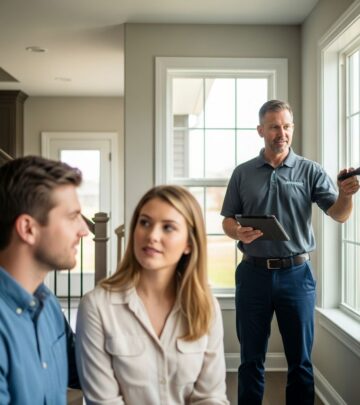
A: Yes, and it’s highly recommended. Attending the inspection allows you to ask questions about the inspector’s findings and understand potential issues firsthand. You can also learn about the home’s systems and maintenance requirements from the inspector.
Q: What if the inspection reveals serious problems?
A: Serious issues discovered during inspection can be used to negotiate with the seller. You may request the seller make repairs before closing, provide a credit toward repairs, or renegotiate the purchase price. In some cases, significant problems might be grounds to withdraw from the purchase if your offer included an inspection contingency.
Q: Does the inspection cover appliances?
A: Most inspections include evaluation of built-in appliances and major systems. However, some inspectors may not test every appliance thoroughly. If you’re concerned about specific appliances, discuss this with your inspector or consider separate appliance inspections.
Q: What items are typically not included in a home inspection?
A: Home inspections generally don’t cover pest inspections (unless specifically requested), radon testing, lead paint testing, or mold testing. These typically require separate specialized inspections. Pool and spa equipment inspections may also be excluded or charged separately.
References
- Home Inspection Checklist For Buyers: What To Know — Bankrate. 2025. https://www.bankrate.com/real-estate/home-inspection-checklist/
- What do home inspectors look for? 6 key things — Bankrate. 2025. https://www.bankrate.com/real-estate/what-the-home-inspector-is-looking-for/
- Home Inspections: What To Know — Bankrate. 2025. https://www.bankrate.com/real-estate/home-inspections/
- What To Expect From a Home Insurance Inspection — Bankrate. 2025. https://www.bankrate.com/insurance/homeowners-insurance/insurance-inspection/
- Buy a Safe and Secure Home: How to Use a Property Inspection Checklist — CFB Inspect. 2025-05. https://cfbinspect.com/2025/05/buy-a-safe-and-secure-home-how-to-use-a-property-inspection-checklist/
- 2022 Home Inspection Checklist for Buyers — Wini. 2022. https://wini.com/articles/home-inspection-checklist-a-complete-guide-to-the-home-inspection-process/
- Home Inspection Guide: What Buyers Need to Know — The Mortgage Link. 2025. https://www.themortgagelink.com/blog/home-inspection-guide-what-buyers-need-to-know
Similar Articles








Read full bio of medha deb