Home Improvement Tax Credits: Save Up To $3,200 In 2025
Unlock up to $3,200 in federal tax credits for energy-efficient home upgrades before they expire at the end of 2025.
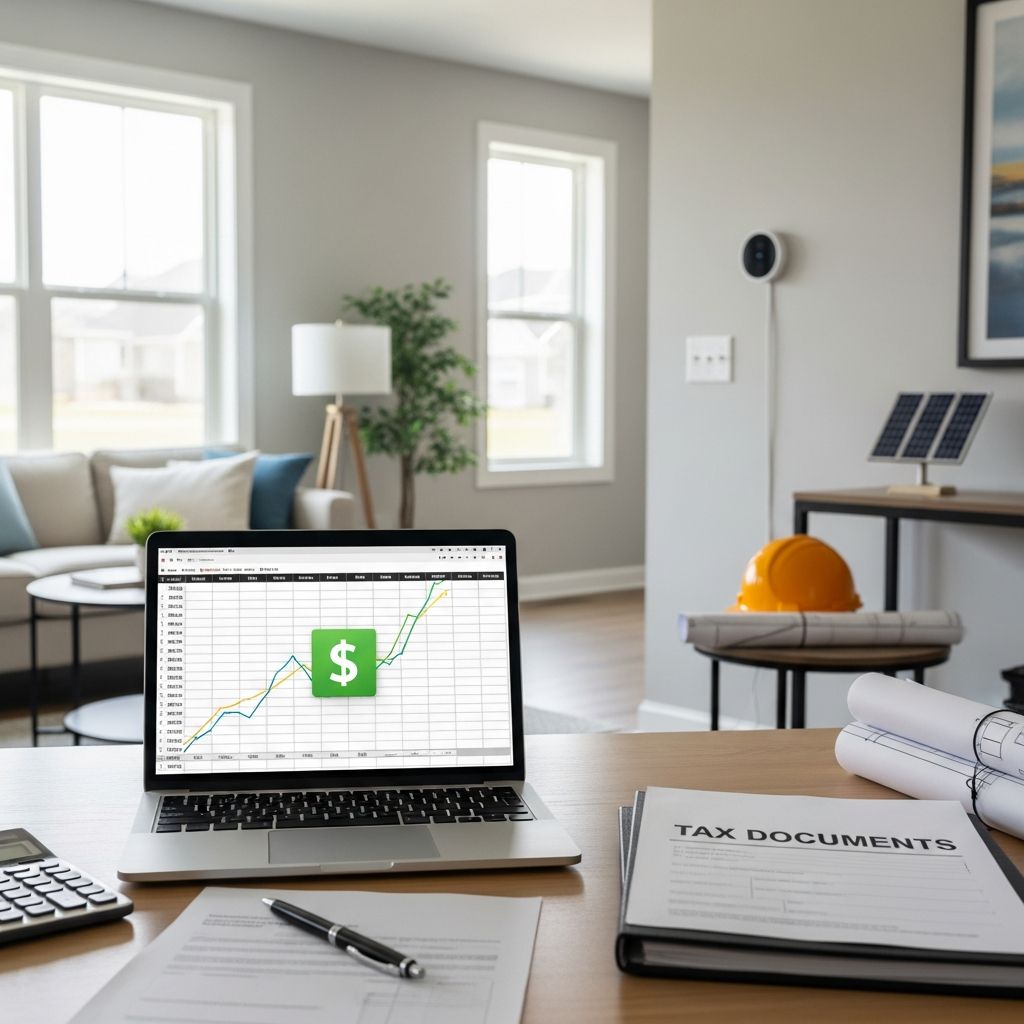
Homeowners can significantly reduce the cost of energy-efficient upgrades through federal tax credits available until December 31, 2025. The primary program, the Energy Efficient Home Improvement Credit (Section 25C), offers up to $3,200 annually for qualifying improvements to existing homes.
What Are Home Improvement Tax Credits?
Federal tax credits directly reduce your tax liability for installing energy-saving products in your primary residence. Unlike deductions, credits provide dollar-for-dollar savings. The Inflation Reduction Act expanded these incentives starting in 2023, covering 30% of costs for items like insulation, windows, doors, and heat pumps.
Key benefits include no lifetime cap for most categories, allowing annual claims up to the maximum as long as you make eligible upgrades before the 2025 deadline. These credits apply only to existing U.S. homes used as your main residence—not new construction or rentals.
Energy Efficient Home Improvement Credit (25C): Overview
This nonrefundable credit equals 30% of qualified expenses, capped at $3,200 per year. It splits into two buckets:
- $1,200 maximum for energy-efficient property (windows, doors, skylights, insulation, audits) with sub-limits.
- $2,000 maximum for heat pumps, water heaters, biomass stoves/boilers.
You can claim the full $3,200 by combining categories in one year. Credits expire after 2025, so plan upgrades accordingly.
Who Qualifies for These Credits?
Eligibility requires:
- An existing home in the U.S. that is your principal residence (lived in most of the year).
- Improvements installed January 1, 2023, through December 31, 2025.
- Products meeting specific efficiency standards (e.g., ENERGY STAR, IECC, CEE tiers).
- Not for landlords, new homes, or non-U.S. properties. Second homes may qualify if not rented.
Renters improving their primary residence may also qualify.
Qualified Energy Efficiency Improvements (Up to $1,200)
These cover building envelope upgrades. Annual aggregate cap: $1,200 at 30% (meaning up to $4,000 in spend).
| Improvement | Requirements | Credit Limit |
|---|---|---|
| Exterior Doors | ENERGY STAR certified | $250 per door, $500 total |
| Exterior Windows & Skylights | ENERGY STAR Most Efficient | $600 total |
| Insulation & Air Sealing | IECC standards (2 years prior) | $1,200 (no specific sub-limit) |
| Home Energy Audits | Professional audit | $150 |
Insulation includes batts, blown-in, spray foam, and air-sealing like weatherstripping. Retain Manufacturer’s Certification Statement.
Residential Energy Property (Up to $2,000)
Separate $2,000 cap for high-efficiency HVAC and water heating. Must meet CEE highest efficiency tier.
- Heat Pumps (Air-Source): Up to $2,000 (30% of cost).
- Heat Pump Water Heaters: Up to $2,000.
- Electric/Natural Gas Water Heaters: Up to $600 each.
- Biomass Stoves/Boilers: Up to $2,000.
- Furnaces, Boilers, CAC: Up to $600.
Labor costs qualify. For 2025 installs, report Qualified Manufacturer ID Number (QMID).
Real-World Examples of Maximum Credits
Example 1: Envelope Upgrades
Install $2,000 ENERGY STAR Most Efficient windows ($600 credit), two doors ($500 credit), and $1,000 insulation ($300 credit). Total spend: $4,000. Credit: $1,400 (capped within $1,200 bucket).
Example 2: HVAC + Envelope
Add a $6,000 qualifying heat pump ($2,000 credit) to Example 1. Total credit: $3,200 max.
Example 3: Water Heater Combo
$2,000 windows ($600), two doors ($500), $5,000 heat pump water heater ($2,000). Total: $3,100.
How to Claim the Credit
1. Keep receipts, invoices, and manufacturer certifications.
2. File Form 5695 with your Form 1040.
3. Note QMIDs for 2025 property.
4. Credit reduces tax owed but isn’t refundable—no carryover.
Consult IRS.gov or a tax professional for your situation. Track ENERGY STAR databases for certified products.
Residential Clean Energy Credit (25D): Related Incentive
Separate from 25C, this covers solar panels, geothermal, wind turbines, battery storage (30% with no cap). Also expires post-2025. Combine with 25C for bigger savings.
State and Local Rebates
Stack federal credits with rebates (e.g., California’s HEEHRA programs, though some are reserved as of 2026). Check ENERGY STAR or DSIRE database for local offers.
Frequently Asked Questions (FAQs)
Can I claim credits multiple years?
Yes, up to $3,200 annually through 2025 if you make new qualifying improvements each year.
Do labor costs qualify?
Yes, for most items including installation.
What about new homes?
No for 25C—only existing homes. Builders have separate 45L credit up to $5,000 per home through mid-2026.
Are renters eligible?
Yes, for improvements to your primary rented residence.
Is the credit refundable?
No, it only offsets taxes owed.
Act Before Credits Expire
With incentives ending December 31, 2025, now is the time to upgrade. These credits not only save money but lower energy bills long-term. Verify product eligibility via official databases and consult pros for installs.
References
- Energy Efficient Home Improvement Credit — Internal Revenue Service. 2025. https://www.irs.gov/credits-deductions/energy-efficient-home-improvement-credit
- Tax Credits for Home Energy and Efficiency Upgrades — Consumer Reports. 2023. https://www.consumerreports.org/home-garden/get-tax-credits-for-home-energy-and-efficiency-upgrades-a5311172098/
- Federal Tax Credits for Energy Efficiency — ENERGY STAR. 2025. https://www.energystar.gov/about/federal-tax-credits
- Credit for Builders of Energy-Efficient Homes — Internal Revenue Service. 2025. https://www.irs.gov/credits-deductions/credit-for-builders-of-energy-efficient-homes
- Inflation Reduction Act Residential Energy Rebate Programs — California Energy Commission. 2026-01-07. https://www.energy.ca.gov/programs-and-topics/programs/inflation-reduction-act-residential-energy-rebate-programs
Similar Articles








Read full bio of Sneha Tete