Home Foundation Inspections: Essential Buyer Checklist
Discover why foundation inspections are crucial for home buyers, what inspectors check, costs involved, and tips to safeguard your investment.

The foundation of a home serves as its literal and figurative bedrock, supporting the entire structure against environmental stresses and time’s wear. For anyone navigating the home-buying process, a professional foundation inspection stands out as a non-negotiable step to uncover hidden defects that could lead to expensive repairs or safety hazards down the line. This detailed exploration breaks down everything from the inspection workflow to red flags, preparation advice, and long-term maintenance tactics, empowering you to make informed decisions.
Understanding the Critical Role of Foundation Checks
Foundations bear the weight of a home while interacting with soil, water, and climate conditions that can cause shifting, cracking, or erosion over years. A dedicated inspection goes beyond a standard home appraisal by employing structural expertise to pinpoint vulnerabilities early. Homebuyers often prioritize cosmetic appeal, but neglecting the foundation risks inheriting issues like uneven settling or water intrusion that diminish property value and livability.
Statistics from engineering firms indicate that up to 25% of homes in expansive soil regions show foundation movement signs within a decade, underscoring the need for proactive evaluation. During real estate transactions, these inspections influence negotiation power, loan approvals, and insurance rates, making them a cornerstone of due diligence.
Step-by-Step Breakdown of the Inspection Journey
A thorough foundation assessment unfolds in structured phases, blending visual scrutiny with precise measurements. Qualified engineers or inspectors typically allocate 60 to 90 minutes, though complex cases extend longer. Here’s what unfolds:
- Initial Consultation: The process kicks off with a homeowner or buyer interview, noting symptoms like sticking doors, sloping floors, or visible cracks. This contextualizes observations and highlights concern areas.
- Exterior Perimeter Scan: Inspectors circle the property, eyeing slab edges, brickwork, fascia, and soil grading. They assess drainage via gutters and downspouts, ensuring water flows away to prevent soil saturation.
- Floor Level Mapping: Using laser levels or altimeters, professionals measure interior floor elevations across rooms. Discrepancies over one inch signal potential settling, with readings up to six inches indicating severe issues.
- Interior Structural Review: Inside, focus shifts to walls, ceilings, floors for fissures, bulges, or separations. Doors and windows get plumb tests with levels to detect tilting frames.
- Substructure Dive: For crawlspaces or basements, entry reveals pier conditions, beam integrity, joist rot, and moisture pockets. Slab homes get under-slab leak checks indirectly via symptoms.
- Advanced Diagnostics: Where needed, moisture meters probe dampness, soil probes evaluate compaction, and forensic analysis correlates findings.
This methodical approach yields a scaled diagram, often CAD-generated, with annotated photos for clarity.
Key Indicators of Foundation Distress
Inspectors hunt for telltale signs that betray underlying turmoil. Categorizing them aids recognition:
| Category | Common Signs | Potential Causes |
|---|---|---|
| Cracking | Diagonal/stepped wall cracks wider than 1/4 inch; horizontal fissures | Soil shrinkage/swelling, poor compaction |
| Settlement | Sloping floors, gap under baseboards, door/window misalignment | Erosion, inadequate footings |
| Water Damage | Efflorescence (white stains), musty odors, buckling wood | Drainage failures, plumbing leaks |
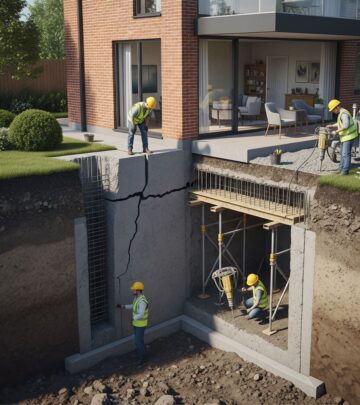
| Structural Shifts | Leaning chimneys, bulging walls, sheared framing | Tree roots, seismic activity |
These markers, when documented photographically, form the basis for severity ratings—minor cosmetic versus urgent structural threats.
Foundation Varieties and Tailored Inspection Focus
Homes rest on diverse foundation types, each demanding specific scrutiny:
- Slab-on-Grade: Poured concrete pads; checks emphasize edge cracks and soil heaving beneath.
- Pier and Beam: Elevated via posts; crawlspace access critical for rot and shifting piers.
- Basement: Full underground walls; wall bowing and hydrostatic pressure top concerns.
- Crawlspace: Shallow voids; ventilation, vapor barriers, and support post stability key.
Adapting protocols ensures comprehensive coverage, as slab issues differ markedly from basement vulnerabilities.
Financial Aspects: Costs and Value Proposition
Expect fees from $300 to $800, varying by home size, location, and engineer credentials. Structural engineers command premiums over general inspectors due to specialized reporting for litigation or sales. Yet, this investment pales against repair bills—minor fixes at $5,000, major underpinning exceeding $50,000. Sellers may cover costs in competitive markets, while buyers leverage reports for price reductions.
Insurance implications loom large: unreported defects can spike premiums or void coverage post-claim.
Preparing Your Property for Optimal Inspection
Facilitate accuracy by clearing access: move furniture from walls, ensure crawlspace entry (18×24 inches minimum), trim vegetation, and note issues upfront. Avoid recent rains if possible, as they mask chronic moisture. Post-inspection, request the full report promptly for review.
Interpreting Reports and Next Actions
Quality reports classify findings (e.g., Level 1: Monitor; Level 2: Repair soon; Level 3: Immediate action) with repair quotes and timelines. Consult multiple contractors for bids if defects surface. Minor issues like hairline cracks might warrant sealing; severe ones, helical piers or slab jacking.
Preventive Tactics for Foundation Longevity
Proactive stewardship averts 80% of problems:
- Install French drains and extend downspouts 5+ feet from base.
- Maintain 6-inch soil slope away from walls.
- Schedule annual plumbing audits and tree root barriers.
- Apply sealants to slabs and monitor humidity.
These habits, paired with quinquennial professional checks, fortify resilience.
Frequently Asked Questions
Is a foundation inspection required for home purchases?
Not legally, but lenders and savvy buyers insist, especially in high-risk zones. It’s often a contingency clause.
How often should I inspect my foundation?
Every 3-5 years, or post-natural events like floods/earthquakes.
Can DIY checks replace professionals?
No—amateurs miss subtle shifts detectable only by instruments.
What if the inspection reveals major problems?
Negotiate repairs, credits, or walk away. Get second opinions.
Do new homes need inspections?
Yes, construction shortcuts occur; verify code compliance.
Choosing the Right Inspector
Seek licensed structural engineers (PE stamp) affiliated with ASCE or similar. Verify reviews, insurance, and sample reports. Avoid sales-tied firms pushing unneeded fixes.
References
- How Does a Foundation Inspection Work? — Structural Innovations. 2023. https://structural-innovations.com/how-does-a-foundation-inspection-work/
- What To Expect From A Home Foundation Inspection — Crosstown Engineering. 2024-01-15. https://crosstownengineering.com/what-to-expect-from-a-home-foundation-inspection/
- Foundation Inspection: What to Expect and How to Prepare — Level Up KC. 2023-05-20. https://levelupkc.com/foundation-inspection-what-to-expect-and-how-to-prepare/
- Construction Management 101: Home Foundation Inspection — Xenia Team. 2024. https://www.xenia.team/articles/home-foundation-inspection
- What Is Involved in a Foundation Inspection? — Cracked Slab. 2023-08-10. https://www.crackedslab.com/blog/what-do-foundation-inspections-involve-and-how-to-get-one-free/
- Complete Guide to Foundation Inspections — Wini. 2024-02-01. https://wini.com/articles/complete-guide-to-foundation-inspections/
- Foundation inspections defined and explained — Rocket Mortgage. 2024-11-12. https://www.rocketmortgage.com/learn/foundation-inspection
Similar Articles








Read full bio of medha deb