Home Fitness Routines For Beginners: 3-Week Starter Plan
Discover simple, equipment-free workouts to build strength and confidence from your living room in just weeks.
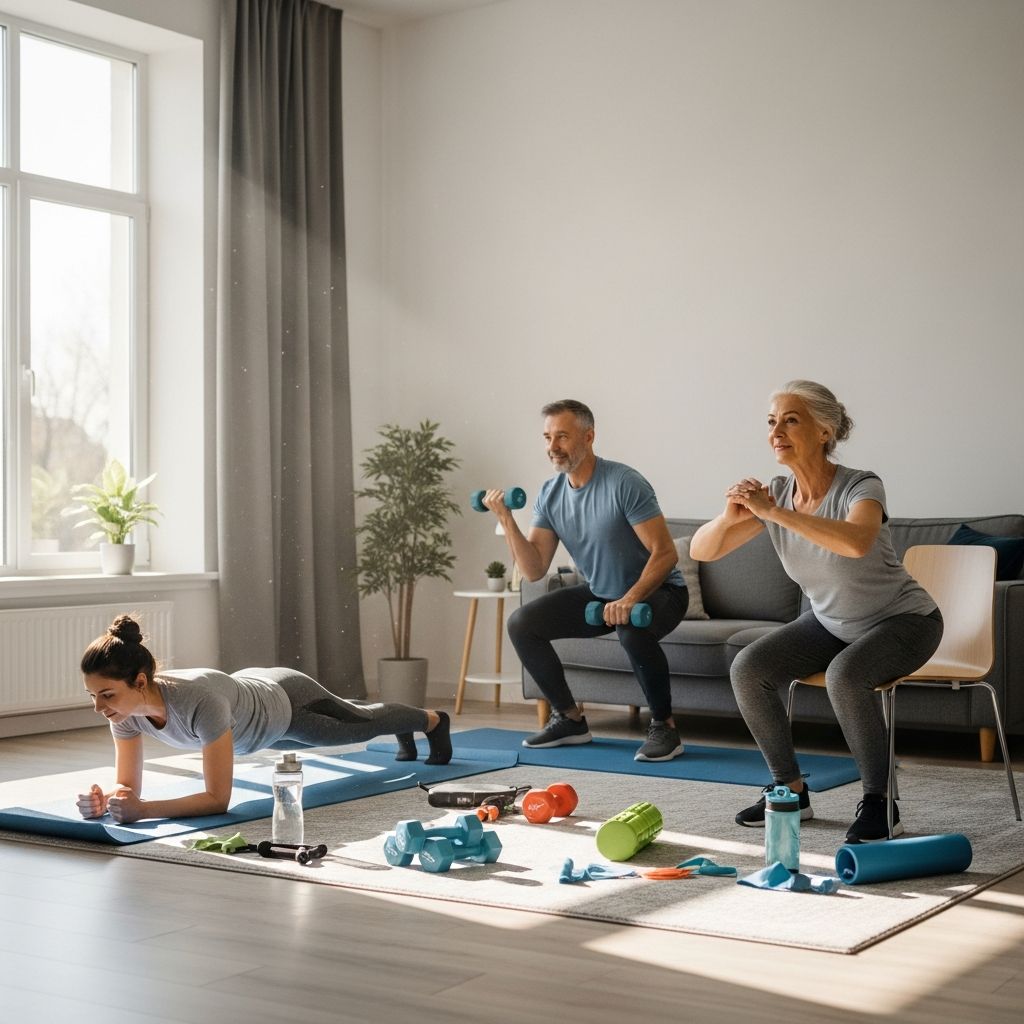
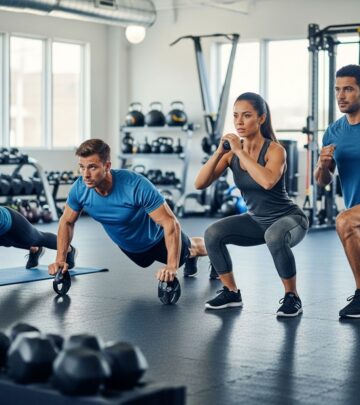
Starting a fitness journey from home offers convenience and accessibility for anyone new to exercise. These routines focus on bodyweight movements that target major muscle groups, promoting strength gains and better daily function without needing specialized gear.
Why Choose Home-Based Training?
Home workouts eliminate barriers like gym memberships or travel time, making consistency easier. Research shows that regular bodyweight exercises improve functional fitness, such as carrying loads or climbing stairs effortlessly. Beginners benefit from progressive structures that gradually increase intensity, fostering habit formation and muscle adaptation.
Key advantages include flexibility in scheduling and the ability to modify exercises for personal fitness levels. Structured plans, like those with 3 weekly sessions, support recovery while building endurance. Pairing these with adequate rest prevents overtraining and enhances long-term adherence.
Essential Principles for Novice Exercisers
Success hinges on foundational concepts: consistency, proper form, and progression. Aim for 3-4 full-body sessions weekly, using 2-3 sets of 8-12 reps per exercise to develop both strength and stamina. The ‘3-3-3’ approach—three workouts per week, sticking to routines for three weeks, and progressing every three sessions—simplifies tracking.
- Progressive Overload: Gradually increase reps, sets, or hold times to challenge muscles.
- Form First: Prioritize technique to avoid injury; use mirrors or record videos for self-checks.
- Recovery: Include rest days and mobility work to aid muscle repair.
Nutrition plays a supportive role; sufficient protein intake complements training for muscle growth.
Building a Weekly Workout Schedule
A balanced week might feature three strength days alternated with rest or light activity. For example, Monday, Wednesday, and Friday for full-body circuits, with Tuesday and Thursday for walking or stretching. Advanced beginners can add a fourth day, reducing sets every third session to manage fatigue.
| Day | Focus | Duration |
|---|---|---|
| Monday | Full-Body Strength A | 20-30 min |
| Tuesday | Rest or Walk | 20 min |
| Wednesday | Full-Body Strength B | 20-30 min |
| Thursday | Mobility | 15 min |
| Friday | Full-Body Strength A | 20-30 min |
| Weekend | Rest/Active Recovery | Flexible |
Alternate between Workout A and B to vary movements and prevent plateaus. Each session includes a warm-up of 5 minutes marching in place or arm circles.
Core Bodyweight Exercises for Strength
Select compound movements that engage multiple areas efficiently. Perform 2-3 sets of 10-15 reps, resting 30-60 seconds between.
Lower Body Power Moves
- Squats: Stand feet shoulder-width, lower as if sitting back into a chair until thighs are parallel to the floor, then rise. Targets quads, glutes, hamstrings.
- Stationary Lunges: Step one foot forward, lower until both knees bend 90 degrees, front thigh parallel. Switch legs after reps.
- Glute Bridges: Lie on back, feet flat, lift hips by squeezing glutes. Hold briefly at top for intensity.
Upper Body Builders
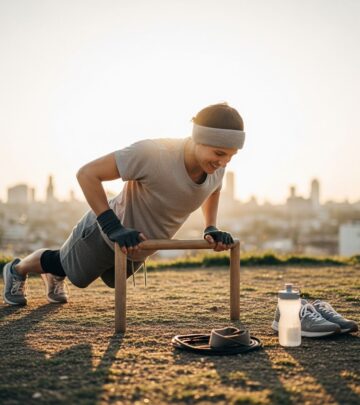
- Push-Ups (Knee Variation): From knees, hands wider than shoulders, lower chest to floor, push back up.
- Superman Holds: Prone on floor, lift arms and legs simultaneously, hold 3-5 seconds.
Core Stabilizers
- Plank Twists: In plank, rotate one hand up to ceiling, alternate sides.
- Bird Dogs: On all fours, extend opposite arm and leg, hold for balance.
Sample 30-Minute Circuits
Circuits keep heart rate elevated for cardio benefits alongside strength. Complete 3-4 rounds, 1-minute rest between.
Circuit 1: Total Body Blast
- 10 Squats
- 10 Push-Ups (modified)
- 15 Bird Dogs (each side)
- 20 Plank Twists
- 10 Lunges per leg
Circuit 2: Lower Emphasis
- 15 Glute Bridges
- 12 Bulgarian Split Squats per leg (use chair for rear foot)
- 20 Alternating Toe Taps
- 10 Bear Crawl Steps forward/back
Progress by adding reps or reducing rest as endurance improves.
Modifications for All Levels
Beginners scale down: wall push-ups instead of floor, shorter plank holds. Intermediates add pulses at exercise bottoms. Advanced incorporate jumps or single-limb variations. Household items like a sturdy chair enhance options, e.g., decline push-ups with feet elevated.
Tracking Progress and Staying Motivated
Log workouts in a notebook or app, noting reps and how exercises feel. Visible improvements in 3-4 weeks build momentum. Set micro-goals like completing all sets without breaks. Pair with accountability, such as workout buddies via video calls.
Common Pitfalls and Fixes
- Skipping Warm-Ups: Leads to strains; always start slow.
- Poor Posture: Engage core throughout; imagine a string pulling your head up.
- Ignoring Recovery: Soreness is normal, but persistent pain means rest or form check.
Hydrate well and fuel with balanced meals post-workout.
Frequently Asked Questions
How often should beginners train?
Three times weekly suffices for gains, allowing recovery.
Do I need equipment?
No—bodyweight is sufficient; optional chair or wall adds variety.
What if I miss a day?
Resume next session without compensation; consistency over perfection.
Can these routines aid weight loss?
Yes, combined with diet; they boost metabolism via muscle building.
How long until results?
Strength noticeable in 2-4 weeks with adherence.
Advanced Tips for Continued Growth
After 4 weeks, introduce timing challenges like 30-second AMRAPs (as many reps as possible). Incorporate mobility flows: cat-cow stretches, hip openers. For cardio, add high-knee marches between sets. Explore hybrid plans blending strength with Pilates elements for core focus.
Sustainable fitness stems from enjoyment; experiment to find preferred movements. Consult professionals for pre-existing conditions.
References
- Beginner Workout Plan (30-Day Routine) — Nourish, Move, Love. 2023. https://www.nourishmovelove.com/fitness-beginner-workout-plan/
- 30 Moves to Make the Most of Your At-Home Workout — Healthline. 2023-10-12. https://www.healthline.com/health/fitness-exercise/at-home-workouts
- HOME WORKOUT PLAN — University of New Mexico Health Sciences Center. 2020. https://hsc.unm.edu/_media/pdfs/rbhomeworkoutguide2020-3.pdf
- No Equipment Home Workouts: Strength Workouts — UT RecSports (.edu). 2020. https://www.utrecsports.org/public/upload/files/general/SP20_FW_PT_AtHome_Workouts_Strength.pdf
Similar Articles








Read full bio of Sneha Tete