Home EV Charger Setup Guide: 5 Steps For Safe Installation
Master the process of installing a Level 2 EV charger at home for faster, convenient charging and long-term savings.
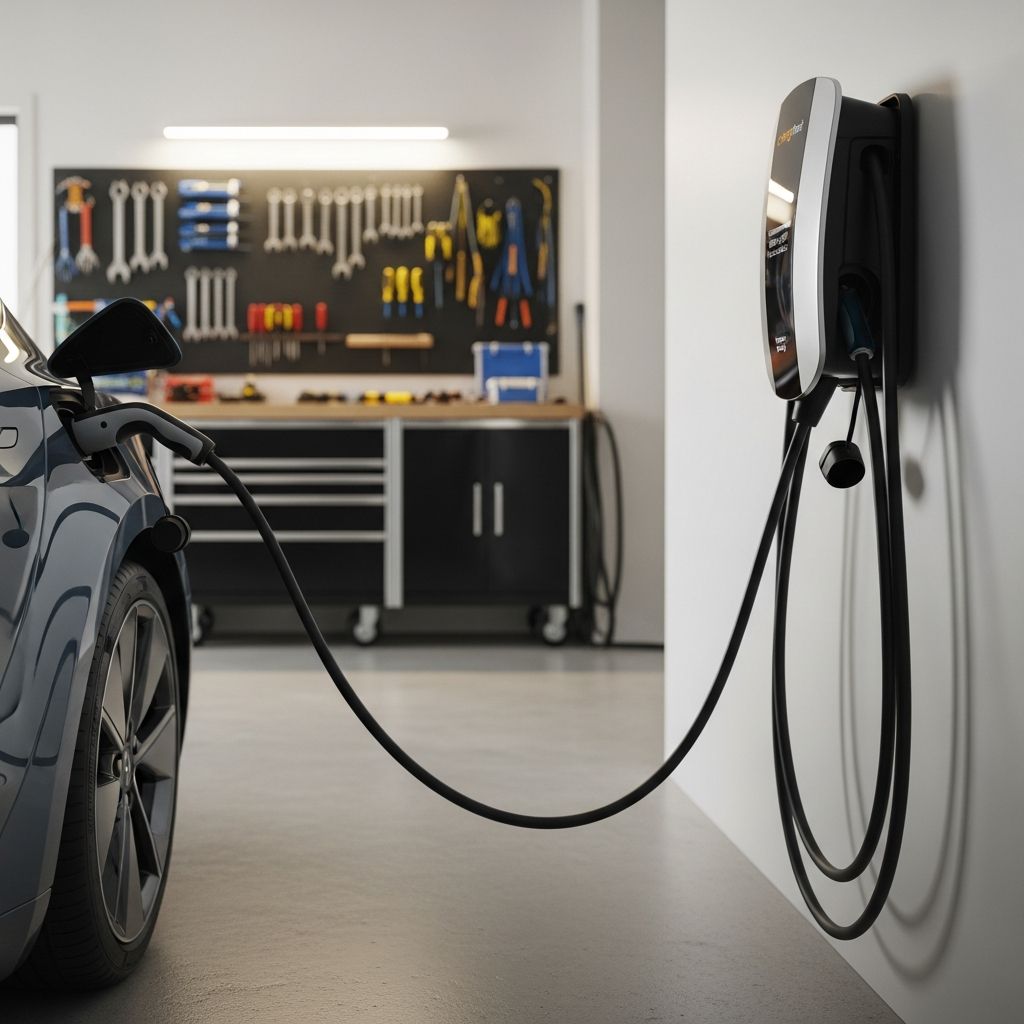
Installing a dedicated charging station at home transforms electric vehicle ownership by providing faster charging speeds than standard outlets. Level 2 chargers, which operate on 240-volt circuits, can fully charge most EVs overnight, making them ideal for daily use. This guide outlines the complete process, from planning to final activation, ensuring a safe and efficient setup.
Why Install a Home Charging Station?
Home charging eliminates reliance on public stations, saving time and reducing costs. A Level 2 unit delivers up to 30 miles of range per hour of charging, compared to 3-5 miles from a basic 120-volt outlet. Convenience is key: plug in upon arriving home and wake up to a full battery. Long-term, it supports multiple vehicles and integrates with smart home systems for scheduling and energy monitoring.
Assessing Your Home’s Electrical Capacity
Before purchasing, evaluate your electrical panel’s capacity. Most homes need a 40-50 amp dedicated circuit for a Level 2 charger. Check for available breaker space and service size—typically 200 amps for modern residences. If your panel is outdated or full, upgrades like a subpanel may be required. Consult a licensed electrician to perform a load calculation, ensuring the addition won’t overload your system.
- Panel Inspection: Verify amperage rating and empty slots.
- Service Entrance: Confirm at least 200 amps for standard installs.
- Load Analysis: Account for all household appliances to avoid trips.
Selecting the Right Charger Type
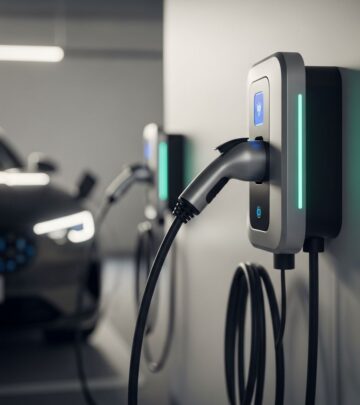
Choose between plug-in and hardwired models. Plug-in chargers connect to a NEMA 14-50 outlet, offering portability but slightly slower speeds. Hardwired units provide maximum power and a cleaner look, directly tying into your wiring. Consider features like Wi-Fi connectivity for app control, energy usage tracking, and compatibility with your EV model. Popular options support J1772 connectors, the North American standard.
| Type | Pros | Cons | Best For |
|---|---|---|---|
| Plug-in | Easy DIY plug, movable | Requires outlet install, minor power loss | Beginners, renters |
| Hardwired | Full power, permanent | Professional install only | Homeowners, high-use |
Planning the Installation Location
Optimal placement is near your parking spot, ideally in a garage or carport. Keep the charger 20-48 inches from the ground for easy access, and ensure the cable reaches your vehicle’s port without strain—typically 25 feet suffices. For outdoor spots, select weather-rated (NEMA 3R or 4) enclosures. Account for future needs, like additional vehicles, by choosing central locations. Maintain 18 inches of clearance around the unit for ventilation and safety.
- Indoor: Protected from elements, consistent temperatures.
- Outdoor: Weatherproof, grounded properly.
- Cable Management: Avoid trips with clips or conduits.
Navigating Permits and Regulations
Electrical permits are mandatory in nearly all jurisdictions to ensure code compliance. Contact your local building department early; fees range from $50-$300. Electricians often handle this, submitting plans for review. National Electrical Code (NEC) Article 625 governs EV equipment, specifying grounding, disconnects, and labeling. Some areas offer rebates covering permits and installs—check utility programs or federal incentives like the Alternative Fuel Infrastructure Tax Credit.
Gathering Essential Tools and Materials
For DIY-friendly plug-in setups, basic tools include a drill, level, stud finder, and torque wrench. Hardwired jobs require wire strippers, crimpers, and conduit benders—best left to pros. Key materials: 6-8 AWG copper wire (THHN or USE-2), 50-amp breaker, conduit, junction box, and strain relief fittings. Always use GFCI protection where code requires.
- Power tools: Drill with bits, screwdriver set.
- Measurement: Tape measure, level.
- Wiring: Appropriately sized conductors, connectors.
Step-by-Step Installation Process
Step 1: Shut Off Power and Prep the Circuit
Turn off the main breaker and verify with a voltage tester. Install a double-pole breaker matching your charger’s rating (e.g., 50A). Run conduit from panel to charger location, pulling wires: black/hot, red/hot, white/neutral (if needed), green/ground.
Step 2: Mount the Charger Base
Locate wall studs using a finder. Mark holes 39-50 inches high, aligning with the template. Drill pilot holes, secure with lag screws or anchors, leaving space to hang the unit. Ensure levelness to prevent stress on connections.
Step 3: Wire the Connections
For hardwire: Strip wires 1/2 inch, insert into terminal blocks—ground center, hots on sides. Torque to specs (usually 20-25 in-lbs). Plug-in: Install NEMA outlet 20-26 inches from floor, plug in later. Use liquid-tight fittings for outdoor runs.
Step 4: Secure the Charging Cable
Route the EVSE cable through the base, connecting output terminals similarly. Snap levers or screws tight, add strain relief clip. Reattach covers, apply circuit labels.
Step 5: Final Testing and Power-Up
Double-check all connections. Restore power, monitor for heat or trips. Pair with app if smart-enabled, test a charge cycle. Dock the handle securely.
Cost Breakdown and Savings
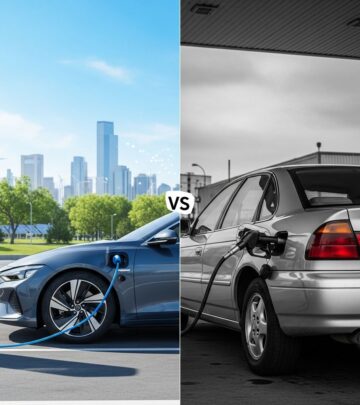
Expect $500-$1,500 for the charger, $300-$1,000 for wiring/outlet, and $500-$2,000 for electrician labor. Total: $1,300-$4,500. Rebates can cut 30-100%. Savings: Home electricity ($0.10-0.15/kWh) vs. public ($0.40+), plus time value.
| Component | Low End | High End |
|---|---|---|
| Charger Unit | $500 | $1,500 |
| Electrical Work | $300 | $2,000 |
| Permits/Misc | $100 | $500 |
Safety Protocols and Common Pitfalls
Never work live—lock out/tag out breakers. Wear PPE: gloves, glasses. Avoid aluminum wire; stick to copper. Pitfalls: Undersized circuits cause fires; poor grounding risks shocks. Post-install, inspect annually.
Smart Features and Future-Proofing
Opt for chargers with load balancing to share power among EVs, solar integration, and voice control. Prepare for bidirectional charging as V2H tech emerges.
Frequently Asked Questions
Can I install a Level 2 charger myself?
Plug-in outlets require pro wiring; full installs need licensed electricians for safety and code.
How long does installation take?
1-2 days for simple jobs; longer for panel upgrades.
Does renters insurance cover chargers?
Check policy; often yes for permanent installs.
What’s the ROI on home charging?
2-5 years via savings and convenience.
Are there government incentives?
Yes, up to 30% tax credit via IRS Section 30C.
References
- CPH50 InstallGuide — ChargePoint. 2023. https://www.chargepoint.com/files/en-ca/home/CPH50_InstallGuide.pdf
- Level 2 EV Charger Installation Guide — Emporia Energy. 2024. https://www.emporiaenergy.com/blog/a-comprehensive-guide-to-level-2-ev-charger-installation/
- Getting Started with Home EV Charging — US EPA. 2025-02-01. https://www.epa.gov/greenvehicles/getting-started-home-ev-charging
- EV Charger Home Installation Process — Pod Point. 2024. https://podenergy.com/guides/ev-charger-home-installation-process
- How to Install an EV Charger at Home — Qmerit. 2024. https://qmerit.com/blog/how-to-install-an-ev-charger-at-home/
Similar Articles








Read full bio of medha deb