Home Equity Loans: Complete Guide For 2025, Risks & Uses
Unlock your home's value: understand how equity loans work and whether they're right for you.

Homeownership comes with a significant advantage that renters don’t enjoy: the ability to build equity over time. As you pay down your mortgage and your property appreciates, you accumulate wealth in your home. A home equity loan is a financial tool that allows you to access this accumulated value when you need funds for major expenses, debt consolidation, or investments. Understanding how these loans work, their benefits, and their risks is essential before deciding whether to tap into your home’s equity.
Understanding the Fundamentals of Home Equity Loans
A home equity loan is a second mortgage that enables homeowners to borrow money by using their accumulated home equity as collateral. The amount you can borrow depends on how much equity you’ve built in your home—the difference between your property’s current market value and the outstanding balance on your primary mortgage.
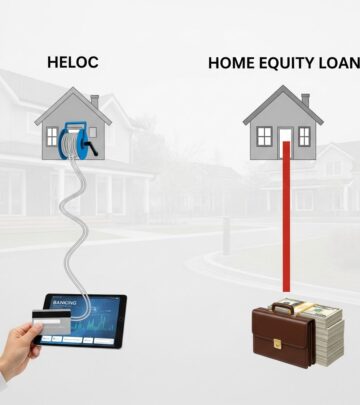
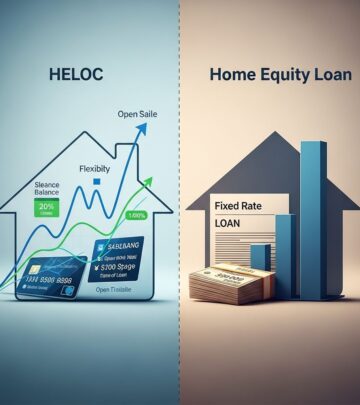
Unlike a home equity line of credit (HELOC), which offers flexible access to funds over time, a home equity loan provides a lump sum payment that you receive upfront. You then repay this amount through fixed monthly payments over a predetermined term, typically ranging from 5 to 30 years. This structure makes home equity loans predictable and manageable for borrowers who know exactly how much they need to borrow.
How Your Home Becomes Collateral
When you take out a home equity loan, the lender places a lien on your property. This legal claim gives the lender the right to foreclose on your home if you fail to make payments. This collateral-backed structure is what distinguishes home equity loans from unsecured loans like personal loans or credit cards, and it’s also why these loans typically come with more favorable interest rates.
The collateral arrangement protects the lender by reducing their risk, which translates to savings for you in the form of lower interest rates. However, it also means your home is at stake if you cannot meet your payment obligations, making responsible borrowing critical.
The Advantages of Accessing Your Home’s Equity
Lower Interest Rates Than Alternative Borrowing Options
One of the most compelling reasons homeowners choose equity loans is the lower interest rates they offer compared to unsecured debt options. Because your home secures the loan, lenders face less risk and charge accordingly. Home equity loan rates typically approach mortgage rates, which are significantly lower than personal loans or credit cards. Fixed-rate home equity loans ensure your interest rate remains constant throughout the loan term, protecting you from rate increases.
Access to Larger Sums of Money
Home equity loans enable you to borrow substantial amounts—sometimes five or six figures—depending on your equity position. This access to larger funds makes equity loans ideal for major expenses like home renovations, funding down payments on additional properties, or consolidating high-interest debt. Traditional personal loans typically cap at lower amounts, making them insufficient for significant financial needs.
Fixed Payments and Predictable Terms
Home equity loans feature fixed interest rates and consistent monthly payments, allowing you to budget accurately without worrying about payment fluctuations. You know exactly how much you’ll owe each month and when your loan will be paid off. This predictability contrasts sharply with variable-rate products where monthly payments can change based on market conditions.
Tax Deduction Possibilities
Depending on how you use the borrowed funds, the interest on your home equity loan may be tax-deductible. If you use the money for home improvements or other qualifying purposes, consult with a tax professional about potential deductions. This tax advantage can further reduce your borrowing costs, though you should verify eligibility with your tax advisor.
Flexible Fund Usage
Unlike some specialized loans tied to specific purposes, home equity loans offer complete flexibility in how you use the funds. Whether you need money for home renovations, medical emergencies, education, purchasing another property, consolidating debt, or virtually any other purpose, the choice is yours. This flexibility makes equity loans adaptable to various life circumstances.
The Disadvantages and Risks of Home Equity Loans
Foreclosure Risk and Home Loss
The most serious risk associated with home equity loans is the potential for foreclosure. Because your home serves as collateral, lenders have legal grounds to seize your property if you default on payments. Unlike credit card debt, where your home remains safe regardless of non-payment, a missed equity loan payment puts your primary residence at risk. This elevated consequence makes it critical to borrow only what you can comfortably repay alongside your existing mortgage obligations.
Accumulating Debt Obligations
Taking out a home equity loan increases your total debt load. You’ll now have both a primary mortgage and a second mortgage to manage, effectively doubling your monthly housing-related obligations. This additional debt burden can strain your finances, especially if your income decreases or unexpected expenses arise. Borrowers must ensure their financial situation can sustain both obligations.
The Risk of Negative Equity
Property values fluctuate based on market conditions. If the real estate market declines after you take out your home equity loan, your home could become worth less than what you owe on both mortgages combined. This situation, called being “underwater,” creates significant problems. You’d owe more than your property is worth, making it difficult to sell without incurring a loss, and you’d be trapped in a property you cannot easily liquidate.
Closing Costs and Additional Expenses
Home equity loans come with closing costs and fees similar to your original mortgage. These may include appraisal fees, title searches, title insurance, underwriting fees, and attorney fees. While these costs are typically lower than primary mortgage closing costs, they still represent a financial burden you must factor into your decision to borrow.
Reduced Equity in Your Home
When you borrow against your home’s equity, you’re converting ownership into debt. Your equity stake in the property decreases, slowing your progress toward full ownership. While your equity will continue increasing as you pay down both mortgages and your property appreciates, you’re essentially trading off faster equity accumulation for immediate cash.
Complications When Selling Your Home
If your home’s value declines, selling becomes problematic. You may need to bring money to closing to cover the difference between what you owe and what the property sells for. Additionally, if your home is underwater, you’ll struggle to find buyers willing to purchase, and traditional sale processes become more complicated.
Who Should Consider a Home Equity Loan?
Home equity loans work best for homeowners with:
- Substantial accumulated equity (typically at least 15-20% ownership stake)
- Strong credit history and stable income
- A specific, one-time major expense with a predetermined cost
- Confidence in their ability to manage additional monthly debt obligations
- Long-term plans to remain in their home
- Need for larger sums than personal loans typically offer
Comparing Home Equity Loans to Alternative Options
| Borrowing Option | Interest Rate | Collateral Required | Payment Structure | Best For |
|---|---|---|---|---|
| Home Equity Loan | Low (fixed) | Home | Fixed lump sum | One-time major expenses |
| HELOC | Variable | Home | Flexible draws | Ongoing expenses, flexibility |
| Personal Loan | Moderate to high | None | Fixed payments | Smaller amounts, less risk |
| Credit Card | Very high | None | Flexible | Short-term needs only |
| Cash-Out Refinance | Low (fixed) | Home | New mortgage term | Large amounts, refinancing mortgage |
Critical Considerations Before Borrowing
Calculate Your Actual Equity
Before applying, determine your home’s current market value and subtract your mortgage balance. Many lenders require at least 15-20% equity to qualify. Getting a professional appraisal ensures you have an accurate figure.
Evaluate Your Income Stability
Assess whether your income can support both your current mortgage and new equity loan payments. Job loss, income reduction, or unexpected financial setbacks could make payments unmanageable. Conservative planning is essential since your home is at stake.
Consider Market Conditions
Think carefully about the real estate market direction before borrowing. In declining markets, negative equity becomes a real risk. Understanding local market trends helps you make informed decisions.
Assess Your Long-Term Plans
If you might sell your home within a few years, borrowing against equity may create complications. Long-term homeownership provides better context for taking on a second mortgage.
The Application and Approval Process
Applying for a home equity loan involves several steps. First, you’ll need to submit financial documentation including recent pay stubs, tax returns, and bank statements to verify income. The lender will order a property appraisal to determine current market value, which determines your maximum borrowable amount. Your credit score and history will be reviewed to assess reliability. The lender will also verify your equity position and assess your debt-to-income ratio. Processing typically takes 2-6 weeks, after which closing involves signing documents and finalizing the terms.
Frequently Asked Questions About Home Equity Loans
What is the maximum amount I can borrow with a home equity loan?
Most lenders allow you to borrow up to 80-85% of your home’s value, minus what you still owe on your primary mortgage. The exact amount depends on your equity, credit score, income, and debt levels.
Can I pay off my home equity loan early?
Most home equity loans allow early repayment, though some may include prepayment penalties. Check your loan terms carefully. Early repayment can save substantial interest over the life of the loan.
What happens if I default on my home equity loan?
The lender has the right to foreclose on your home, taking possession of the property to recover their losses. Foreclosure destroys your credit and has long-term financial consequences.
How does a home equity loan differ from a HELOC?
Home equity loans provide a lump sum with fixed payments, while HELOCs offer flexible access to funds during a draw period, with variable interest rates. HELOCs work better for ongoing expenses, while loans suit one-time needs.
Making Your Final Decision
Home equity loans can be powerful financial tools when used strategically. The combination of low interest rates, substantial borrowing amounts, and fixed payments makes them attractive for major expenses. However, the foreclosure risk and potential for negative equity demand careful consideration. Success depends on your financial stability, responsible borrowing practices, and long-term commitment to your home. Take time to evaluate your circumstances, compare alternatives, and consult with financial advisors before proceeding.
References
- Home equity loans: pros and cons — Rocket Mortgage. Accessed February 6, 2026. https://www.rocketmortgage.com/learn/pros-and-cons-of-home-equity-loan
- Home Equity Loan Pros And Cons: A Homeowner Guide — Bankrate. Accessed February 6, 2026. https://www.bankrate.com/home-equity/pros-cons-home-equity-loan/
- HELOC vs. Home Equity Loan: Pros & Cons — Florence Bank. Accessed February 6, 2026. https://www.florencebank.com/heloc-vs-home-equity-loan-pros-cons
- What You Can Use a Home Equity Loan for (and What to Avoid!) — Navy Federal Credit Union. Accessed February 6, 2026. https://www.navyfederal.org/makingcents/home-ownership/home-equity-uses.html
- Home Equity Loan Pros & Cons — Greater Texas Credit Union. Accessed February 6, 2026. https://www.gtfcu.org/what-you-should-know
- What is a Home Equity Loan & How Does it Work? — Equifax. Accessed February 6, 2026. https://www.equifax.com/personal/education/loans/articles/-/learn/what-is-a-home-equity-loan/
Similar Articles








Read full bio of medha deb