Home Equity Options: Loans, Lines, and Reverse Mortgages
Unlock your home's value wisely: Compare home equity loans, flexible HELOCs, and reverse mortgages to find the best fit for your financial needs.

Owning a home builds substantial equity over time, representing a powerful financial asset that many homeowners tap into for major expenses, debt consolidation, or supplemental income. Three primary vehicles exist to convert this equity into usable cash: the traditional home equity loan, the versatile home equity line of credit (HELOC), and the specialized reverse mortgage. Each product serves distinct needs based on factors like age, income stability, repayment capacity, and long-term housing plans. This comprehensive guide breaks down their mechanics, eligibility criteria, costs, risks, and strategic applications to empower informed decision-making.
Understanding the Fundamentals of Home Equity Access
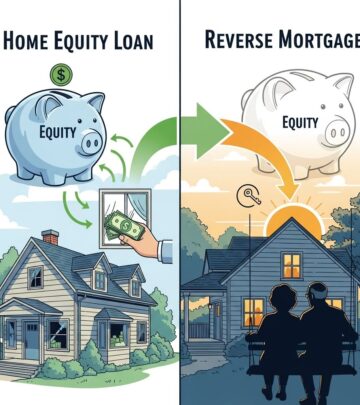
Home equity is the portion of your property’s current market value that you truly own, calculated as the appraised value minus any outstanding mortgage balance. For instance, a $400,000 home with a $200,000 mortgage leaves $200,000 in equity. Borrowing against this equity involves using the home as collateral, which introduces foreclosure risk if obligations aren’t met. Home equity loans provide a one-time lump sum with fixed terms, HELOCs offer revolving access akin to a credit card secured by your property, and reverse mortgages flip the script by paying homeowners rather than requiring payments from them—ideal for retirees.
These options surged in popularity during low-interest periods, but market shifts like rising rates in recent years have altered their appeal. As of 2026, average rates hover around 8-9% for home equity products, influenced by Federal Reserve policies and borrower credit profiles.
Breaking Down the Home Equity Loan
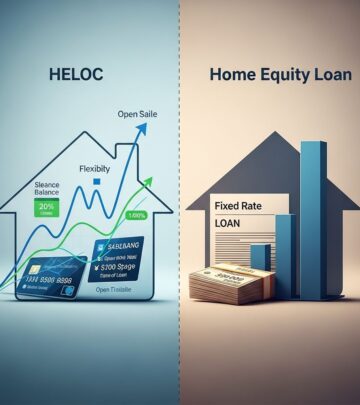
A home equity loan, often called a second mortgage, delivers a single lump-sum payout at closing, repaid via fixed monthly installments over 5-30 years. This predictability suits budgeted projects like kitchen remodels or college tuition. Funds can finance virtually anything, from medical bills to vacations, though responsible use maximizes benefits.
- Fixed interest rates: Typically 7-9%, locking in payments regardless of market fluctuations.
- Immediate repayment: Principal and interest due from month one, with terms ensuring affordability via debt-to-income (DTI) checks.
- Closing costs: 2-5% of loan amount, including appraisals and title fees.
Eligibility demands a credit score of 620-660+, DTI under 43-45%, and 15-20% equity post-loan. Lenders scrutinize income to confirm repayment ability, as the home secures the debt.
Ideal Scenarios for Home Equity Loans
Opt for this if facing a defined, large expense where steady payments align with cash flow. It’s less volatile than variable-rate alternatives, aiding long-term budgeting.
Exploring the Flexibility of HELOCs
Home Equity Lines of Credit (HELOCs) function as renewable borrowing pools, drawable during a 5-10 year ‘draw period’ up to an approved limit (often 85% of equity minus first mortgage). Interest accrues only on withdrawn amounts, with minimum interest-only payments initially, transitioning to principal-plus-interest in the 10-20 year repayment phase.
| Feature | Draw Period | Repayment Period |
|---|---|---|
| Payments | Interest-only | Principal + interest |
| Access to Funds | Yes, revolving | No new draws |
| Rate Type | Variable (prime + margin) | Variable or fixed conversion |
Variable rates, tied to the prime rate, introduce uncertainty—payments rose sharply post-2022 hikes. Some lenders offer fixed-rate ‘advance options’ for stability. Qualification mirrors home equity loans: strong credit (620+), low DTI, ample equity.
Strategic Uses for HELOCs
HELOCs excel for ongoing or unpredictable needs, like sequential home improvements or emergency funds. Tax deductibility applies if funds improve the home (consult IRS rules). However, maxing the line amid rate spikes can strain finances, risking default.
Demystifying Reverse Mortgages
Reverse mortgages, primarily Home Equity Conversion Mortgages (HECMs) insured by the FHA, target homeowners 62+. No monthly repayments are required while residing in the home; instead, lenders advance funds via lump sum, line of credit, tenure payments, or term payments. The balance—including compounded interest—grows until the borrower sells, moves, or passes away.
- Non-recourse protection: Borrowers or heirs owe no more than home value at maturity; FHA covers shortfalls.
- No credit/income minimums: Financial assessment ensures taxes/insurance payment capacity.
- Upfront costs: Higher—MIP (1.75-2.5%), origination (2%), closing fees—often financed into loan.
- Variable rates predominant: Fixed available for lump sums, but tenure/credit lines adjust.
Funds must go toward primary residence maintenance, with mandatory HUD counseling to outline impacts on Medicaid, inheritance, and equity erosion.
Who Thrives with Reverse Mortgages?
Seniors seeking income supplements without depleting savings or disrupting retirement. It’s non-taxable, preserves Social Security eligibility, but erodes equity over time—potentially leaving little for heirs.
Side-by-Side Comparison Table
| Aspect | Home Equity Loan | HELOC | Reverse Mortgage |
|---|---|---|---|
| Age Requirement | None | None | 62+ |
| Payout Style | Lump sum | Revolving line | Lump sum, line, monthly |
| Monthly Payments | Yes, immediate | Interest-only then full | None required |
| Interest Rate | Fixed | Variable | Variable (fixed option) |
| Credit Score Min | 620-660 | 620+ | None (assessment) |
| Risk to Equity | Reduces fixed amount | Variable reduction | Grows with interest |
Costs, Fees, and Tax Implications
Home equity loans and HELOCs feature lower origination (1-5%) but demand steady payments; interest may deduct if home-related (IRS Publication 936). Reverse mortgages carry steeper fees (up to 6% upfront), non-deductible interest, offset by payment deferral.
Current averages (2026): HEL 8.5%, HELOC 9.2%, Reverse 7.5% variable—but total cost rises with compounding for reverses.
Risks and Mitigation Strategies
All pledge your home, inviting foreclosure for missed taxes, insurance, or payments. HELOCs amplify risk via rate volatility; reverses diminish inheritance. Mitigate via:
- Shopping multiple lenders for rates/fees.
- Building emergency funds pre-borrowing.
- Consulting advisors on estate impacts.
- Paying down principal voluntarily where possible.
Choosing the Right Path for Your Situation
For Younger Homeowners (Under 62)
HELOCs or loans fit variable needs or fixed costs, leveraging credit strength for competitive terms. Avoid if DTI is tight or job insecure.
For Retirees Staying Put
Reverse mortgages provide breathing room, funding longevity without income pressure. Pair with downsizing plans for equity preservation.
Hybrid Approaches
Some layer products cautiously, like HELOC atop a small reverse, but complexity rises—seek professionals.
Frequently Asked Questions (FAQs)
Can I get a reverse mortgage if I have an existing mortgage?
Yes, proceeds often pay it off first.
Do HELOC rates ever fix permanently?
Some convert to fixed during repayment.
Is interest on these loans tax-deductible?
Potentially for HEL/HELOC home improvements; rarely for reverses.
What if home values drop after borrowing?
You’re still liable for the debt amount; reverses cap at appraised value.
How much equity do I need?
Typically 15-20% for HEL/HELOC; 50%+ for reverses.
Navigating Market Changes and Next Steps
With rates stabilizing post-2023 peaks, reassess equity periodically via free tools. Consult FHA-approved counselors for reverses, or mortgage brokers for competitive quotes. Prioritize options aligning with tenure in home, risk tolerance, and legacy goals—your home’s equity is a marathon asset, not a sprint.
References
- Reverse Mortgage vs HELOC or Home Equity Loan — Fairway Reverse. 2024-06-15. https://fairwayreverse.com/blog/reverse-mortgage-loan-vs-heloc-home-equity-loan/
- Home equity loan or HELOC vs. reverse mortgage — Bankrate. 2025-03-20. https://www.bankrate.com/home-equity/home-equity-loan-heloc-vs-reverse-mortgage/
- Reverse Mortgage vs. Home Equity Loan or HELOC — LendingTree. 2025-08-10. https://www.lendingtree.com/home/reverse-mortgage/reverse-mortgage-vs-home-equity-loan/
- Home Equity Loan vs. HELOC vs. Reverse Mortgage — Experian. 2025-11-05. https://www.experian.com/blogs/ask-experian/home-equity-loan-vs-heloc-vs-reverse-mortgage/
- Reverse mortgage, equity loan, or HELOC — Rocket Mortgage. 2024-12-12. https://www.rocketmortgage.com/learn/reverse-mortgage-vs-home-equity-loan
Similar Articles








Read full bio of medha deb