Home Equity Loan Pros and Cons: A Homeowner Guide
Understand the advantages and risks of home equity loans before borrowing against your property.

Home equity loans represent a significant financial decision that homeowners often consider when they need access to substantial cash for major expenses. These loans allow you to borrow against the equity you’ve built in your home, offering an alternative to personal loans, credit cards, or other financing options. However, like any financial product, home equity loans come with distinct advantages and disadvantages that require careful consideration.
What Is a Home Equity Loan?
A home equity loan is a type of secured loan that uses your home as collateral. The amount you can borrow depends on the equity you’ve accumulated in your property—essentially, the difference between your home’s market value and what you still owe on your mortgage. Most lenders require you to have at least 15 to 20 percent equity in your home to qualify for this type of financing.
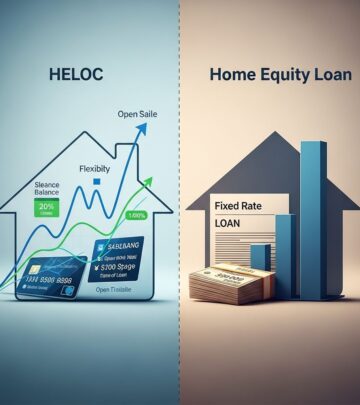
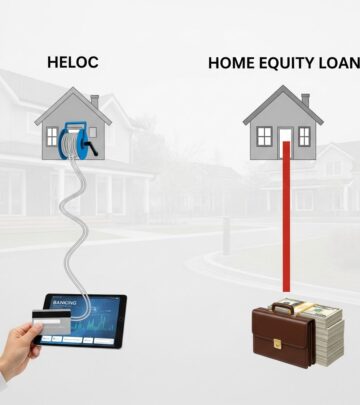
Unlike home equity lines of credit (HELOCs), which offer revolving access to funds, home equity loans provide a lump sum that you receive all at once. You then repay this amount over a fixed period, typically ranging from 5 to 30 years, with consistent monthly payments.
Advantages of Home Equity Loans
Fixed Interest Rates and Predictable Payments
One of the most compelling advantages of home equity loans is the stability they provide. Home equity loans come with fixed interest rates, meaning your interest rate remains the same throughout the entire loan term. This translates directly into consistent monthly payments that never change, allowing you to budget with confidence and plan your finances effectively. Unlike variable-rate loans that can fluctuate with market conditions, you’ll always know exactly what your payment will be.
Lower Interest Rates Compared to Alternatives
Home equity loans typically offer significantly lower interest rates than personal loans and credit cards. This favorable rate structure exists because the loan is secured by your home, giving the lender collateral to back the debt. If you’re comparing financing options for a major expense, a home equity loan often provides the most economical borrowing solution. Even when accounting for closing costs, the lower interest rates can result in substantial savings over the life of the loan.
Extended Repayment Timelines
Home equity loans frequently offer repayment periods of up to 30 years, which is considerably longer than most personal loans. This extended timeline translates into lower monthly payments on larger loan amounts, making it easier to manage the debt alongside your regular mortgage payments and other financial obligations.
Potential Tax Deduction on Interest
In many cases, the interest paid on a home equity loan may be tax-deductible if the funds are used for home improvements or renovations. This tax advantage can further reduce your borrowing costs, though you should consult with a tax professional to understand how this benefit applies to your specific situation.
Access to Substantial Funds
If you have significant equity in your home, you may have access to five- or even six-figure loan amounts. This makes home equity loans ideal for major expenses like comprehensive home renovations, educational costs, or significant life events that require substantial capital.
Disadvantages of Home Equity Loans
Minimum Equity Requirements
To qualify for a home equity loan, most lenders require you to have at least 15 to 20 percent equity in your home. This requirement may disqualify homeowners who recently purchased their properties or those who have limited equity built up. Additionally, qualifying typically requires a strong credit score and solid financial credentials, making these loans inaccessible to some borrowers.
Closing Costs and Fees
Like traditional mortgages, home equity loans come with closing costs that can range from 2 to 5 percent of the loan amount. These costs may include appraisal fees, title search fees, origination fees, and other administrative expenses. While the lower interest rates often offset these costs over time, you’ll need to factor them into your decision and potentially pay them upfront.
Risk of Foreclosure
This is perhaps the most critical risk associated with home equity loans. Because your home serves as collateral, failing to make your monthly payments could result in foreclosure. The lender has the legal right to seize and sell your home to recoup the outstanding debt. This consequence makes home equity loans fundamentally different from unsecured loans like personal loans or credit cards, where the worst outcome is typically damage to your credit score.
Negative Equity and Underwater Mortgages
If property values in your area decline significantly, you could find yourself in a situation where you owe more than your home is worth—a condition known as negative equity or being underwater. This scenario can create serious complications if you need to sell your home or refinance your mortgage. Additionally, if you’ve already taken out a home equity loan, the combined balance of your first mortgage and home equity loan could exceed your home’s current market value, making it difficult or impossible to refinance or sell without bringing cash to closing.
Dilution of Your Most Valuable Asset
Your home is likely your largest asset and your most significant wealth-building tool. Taking out a home equity loan reduces your ownership stake in this asset and increases your total debt obligation. Over time, this dilution of equity can impact your net worth and may limit your ability to tap into additional financing opportunities in the future.
Borrowing More Than You Need
Home equity loans are typically large, often with minimum borrowing requirements of $30,000 or more. This structure can create a situation where you borrow significantly more than you actually need. While you can repay excess funds early, many lenders impose prepayment penalties that could make this option expensive.
Increased Total Debt Burden
Adding a home equity loan to your financial obligations increases your total monthly debt payments. Combined with your existing mortgage payments and other obligations, this additional burden could stretch your budget too thin and make it challenging to afford all of your regular payments. This is particularly concerning if your income decreases or unexpected expenses arise.
Comparing Home Equity Loans to Alternatives
| Feature | Home Equity Loan | HELOC | Personal Loan | Credit Card |
|---|---|---|---|---|
| Interest Rate | Fixed, lower rates | Variable rates | Higher fixed rates | Highest rates |
| Payment Structure | Fixed monthly payment | Variable payments | Fixed monthly payment | Flexible, interest-only minimum |
| Disbursement | Lump sum upfront | Draw as needed | Lump sum upfront | Revolving credit |
| Collateral Required | Yes, your home | Yes, your home | No, unsecured | No, unsecured |
| Foreclosure Risk | Yes | Yes | No | No |
| Repayment Term | 5-30 years | Variable draw and repayment periods | 3-7 years typically | Flexible, variable |
Best Uses for Home Equity Loans
- Major home renovations and improvements that increase property value
- Funding education expenses for yourself or family members
- Consolidating high-interest debt from credit cards or other sources
- Financing significant medical expenses
- Starting or expanding a business
- Making large purchases that represent essential needs
When to Avoid Home Equity Loans
- You have unstable income or uncertain job security
- You struggle with impulse spending or have difficulty managing debt
- You need funds for lifestyle expenses or discretionary purchases
- Your local real estate market shows signs of weakness or decline
- You have limited equity remaining in your home
- You can obtain financing through lower-cost alternatives
- You’re considering using the funds for speculative investments
Key Considerations Before Taking Out a Home Equity Loan
Before committing to a home equity loan, evaluate several critical factors. First, honestly assess your financial habits and whether you can reliably make the additional monthly payment alongside your existing obligations. Consider the current state of your local real estate market and the likelihood of property value appreciation or depreciation in your area.
Calculate the total cost of the loan, including both interest and closing costs, to understand the true expense of this borrowing option. Compare this total cost to alternatives like personal loans, credit cards, or cash-out refinancing. Ensure you have a clear, specific purpose for the funds and a realistic understanding of how the borrowed money will improve your financial situation or life circumstances.
Additionally, maintain an emergency fund separate from your home equity, as using your home equity for emergencies can put you in a vulnerable financial position. Consider the long-term implications of reducing your equity stake in your home and how this might affect your future borrowing capacity or net worth.
Frequently Asked Questions About Home Equity Loans
Q: How much can I borrow with a home equity loan?
A: The amount you can borrow depends on the equity you’ve built in your home. Most lenders allow you to borrow up to 80-85 percent of your home’s total value, minus what you still owe on your mortgage. This calculation determines your available equity. If you own your home outright or have significant equity, you may have access to five- or six-figure loan amounts.
Q: How long does it take to get approved for a home equity loan?
A: The approval process typically takes 2-4 weeks, depending on the lender and the complexity of your financial situation. You’ll need to provide documentation of income, employment, credit history, and property information. The lender will also order an appraisal of your home to determine its current market value.
Q: Can I deduct the interest on my home equity loan?
A: In many cases, yes. If the funds are used for home improvements or renovations, the interest may be tax-deductible. However, if the funds are used for other purposes, the tax deductibility may be limited or nonexistent. Consult with a tax professional to understand the specific implications for your situation.
Q: What happens if I can’t make my home equity loan payments?
A: Failure to make payments can result in serious consequences. Your lender could initiate foreclosure proceedings and seize your home to recover the outstanding debt. This is why it’s critical to only take out a home equity loan if you’re confident in your ability to make the monthly payments consistently.
Q: Is a home equity loan better than a HELOC?
A: Neither option is universally better; the choice depends on your specific needs. Home equity loans are better if you need a specific amount upfront and prefer fixed payments. HELOCs are better if you need flexible access to funds over an extended period and can handle variable interest rates and payments.
Q: Can I use a home equity loan for any purpose?
A: Technically, yes, though some lenders may have restrictions. However, using the funds responsibly is important. The best uses are for purposes that improve your financial situation or add value to your home, not for discretionary spending or speculative investments.
Conclusion
Home equity loans can be valuable financial tools when used strategically for appropriate purposes. The combination of lower interest rates, fixed payments, extended repayment terms, and potential tax deductions makes them attractive compared to many alternatives. However, the risks—particularly the possibility of foreclosure, negative equity, and increased debt burden—demand careful consideration and honest self-assessment.
Before proceeding with a home equity loan, ensure you have a clear, productive purpose for the funds, stable income to support the additional monthly payment, and confidence that your home’s equity will remain protected. Consider all alternatives, calculate the total cost of borrowing, and consult with financial professionals who can help you make the decision that best aligns with your long-term financial goals. When approached with caution and used responsibly, a home equity loan can help you achieve important financial objectives while leveraging the wealth you’ve built in your home.
References
- Home Equity Loan Pros And Cons: A Homeowner Guide — Bankrate. 2025. https://www.bankrate.com/home-equity/pros-cons-home-equity-loan/
- HELOC Vs. Home Equity Loan: What’s The Difference? — Bankrate. 2025. https://www.bankrate.com/home-equity/home-equity-loan-vs-line-of-credit/
- The Risks Of Tapping Into Your Home Equity — Bankrate. 2025. https://www.bankrate.com/home-equity/home-equity-loan-risks-and-how-to-avoid-them/
- Personal Loan Vs. Home Equity Loan: Which Is Better? — Bankrate. 2025. https://www.bankrate.com/loans/personal-loans/personal-loans-vs-home-equity-loans/
- Are Home Equity Loans Or HELOCs A Good Idea Now? — Bankrate. 2025. https://www.bankrate.com/home-equity/home-equity-loans-are-a-good-deal/
- Reasons You Shouldn’t Tap Your Home Equity — Bankrate. 2025. https://www.bankrate.com/home-equity/things-to-consider-before-using-home-equity/
- Home equity loan pros and cons to know — CBS News. 2025. https://www.cbsnews.com/news/home-equity-loan-pros-and-cons/
Similar Articles








Read full bio of medha deb