Home Equity Loan: Definition, How It Works, and Pros/Cons
Understanding home equity loans: Access your home's value for cash with fixed rates and predictable payments.

Home Equity Loan: Definition and Overview
A home equity loan is a financial product that allows homeowners to borrow money against the equity they have built up in their property. Equity represents the difference between the current market value of your home and the outstanding balance on your mortgage. For example, if your home is worth $300,000 and you owe $200,000 on your mortgage, you have $100,000 in home equity. A home equity loan enables you to tap into this equity and receive funds as a lump sum payment, which you can use for various purposes such as home renovations, debt consolidation, education expenses, or emergency medical bills.
Home equity loans are also commonly referred to as second mortgages because they are secured by your home, just like your primary mortgage. If you already have a mortgage, a home equity loan would be a subordinate lien on your property, meaning the original mortgage lender has priority if the home is foreclosed. This secondary status typically results in slightly higher interest rates compared to your primary mortgage.
How Home Equity Loans Work
The mechanics of a home equity loan are straightforward. Once you apply and are approved, you receive the entire borrowed amount as a single lump sum payment. This differs significantly from other borrowing methods that disburse funds incrementally. Here’s what you need to know about the process:
The Application and Approval Process
When applying for a home equity loan, lenders will assess your creditworthiness, income, debt-to-income ratio, and the amount of equity you have in your home. They will typically order an appraisal to determine your home’s current market value. Most lenders require you to have at least 15-20% equity in your home before qualifying for a loan, though some may allow you to borrow up to 80-85% of your home’s value minus what you owe on your mortgage.
Fixed Interest Rates and Predictable Payments
One of the defining characteristics of home equity loans is that they typically come with fixed interest rates. This means your interest rate remains the same throughout the loan term, making your monthly payments predictable and consistent. You’ll know exactly how much you need to pay each month, making it easier to budget and plan your finances. Fixed rates protect you from market volatility and rising interest rates, providing financial stability.
Repayment Terms
Home equity loans typically have repayment terms ranging from 5 to 30 years, though 10 to 15 years is common. The shorter the term, the higher your monthly payment but the less interest you’ll pay overall. Longer terms result in lower monthly payments but more interest paid over the life of the loan. You’ll begin making payments immediately after receiving your funds, and these payments go toward both principal and interest.
Key Features of Home Equity Loans
Lump Sum Disbursement
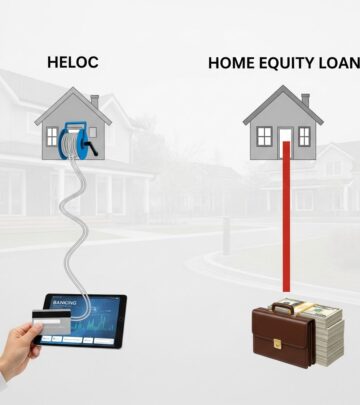
Unlike a Home Equity Line of Credit (HELOC), which functions like a credit card with revolving access to funds, a home equity loan provides all borrowed money upfront in a single payment. This is advantageous if you need a specific amount for a particular purpose and want to avoid the temptation of continuously borrowing more.
Lower Interest Rates
Because home equity loans are secured by your home, they typically offer lower interest rates compared to unsecured personal loans or credit cards. This makes them an attractive option for consolidating high-interest debt or funding large expenses.
Tax Deductibility
In some cases, the interest paid on home equity loans may be tax-deductible if the funds are used to improve your home. However, tax laws are complex, and deductibility depends on specific circumstances. Homeowners should consult with a tax professional to understand whether they qualify for any tax benefits.
Advantages of Home Equity Loans
Home equity loans offer several compelling benefits for homeowners:
Competitive Interest Rates
Because the loan is backed by your home, lenders offer rates significantly lower than unsecured loans. This can save you thousands of dollars in interest over the life of the loan.
Predictable Monthly Payments
With fixed interest rates and set terms, you know exactly what your monthly payment will be for the entire loan period. This predictability simplifies budgeting and financial planning.
Large Borrowing Amounts
You can typically borrow substantial amounts based on your home equity, making it suitable for major expenses like home renovations, college tuition, or business investments.
Accessibility
If you have significant equity in your home and good credit, obtaining a home equity loan is generally straightforward. The approval process is typically faster than other loan types.
Flexible Use of Funds
Lenders typically don’t restrict how you use the borrowed money, giving you flexibility in addressing your financial needs, whether for debt consolidation, home improvements, or other purposes.
Disadvantages of Home Equity Loans
While home equity loans offer benefits, they also come with significant risks and drawbacks:
Your Home as Collateral
The most critical risk is that your home serves as collateral. If you cannot make payments, the lender can foreclose on your home, potentially resulting in loss of your primary residence. This makes home equity loans significantly riskier than unsecured loans.
Additional Monthly Debt
A home equity loan adds another monthly payment obligation to your finances. If you already have a mortgage and other debts, this additional payment could strain your budget and reduce your financial flexibility.
Closing Costs and Fees
Home equity loans involve closing costs similar to mortgage origination, including appraisal fees, application fees, title search fees, and attorney fees. These costs can range from 2-5% of the loan amount, adding to your overall borrowing expense.
Variable Interest Rates on Adjustable Options
While most home equity loans offer fixed rates, some lenders provide adjustable-rate options. These can result in higher payments if interest rates rise, making your future payments unpredictable.
Equity Reduction
Taking out a home equity loan reduces the equity you have in your home, which could be problematic if property values decline or if you need to sell quickly.
Home Equity Loans vs. Home Equity Lines of Credit (HELOCs)
While both home equity loans and HELOCs allow you to borrow against your home’s equity, they function differently:
| Feature | Home Equity Loan | HELOC |
|---|---|---|
| Disbursement | Lump sum payment | Draw funds as needed |
| Interest Rate | Usually fixed | Usually adjustable |
| Payments | Fixed monthly payments | Payments vary with balance |
| Access to Funds | One-time access | Revolving access like credit card |
| Repayment Term | 5-30 years typically | Draw period followed by repayment |
Uses for Home Equity Loans
Homeowners use home equity loans for various purposes:
Home Improvements
Many borrowers use home equity loans to fund renovations, upgrades, or repairs. These improvements can increase your home’s value and may provide tax deductions for the interest paid.
Debt Consolidation
Consolidating high-interest credit card debt or personal loans into a single home equity loan can reduce overall interest costs and simplify payments.
Education Expenses
Some homeowners tap their equity to pay for college tuition or other educational costs for themselves or their children.
Medical Expenses
Unexpected medical bills can be addressed through home equity loans, offering lower rates than medical credit cards or personal loans.
Business Investment
Entrepreneurs may use home equity loans to fund business startups or expansions.
Qualifying for a Home Equity Loan
To qualify for a home equity loan, lenders typically evaluate several factors:
Credit Score
A higher credit score improves your chances of approval and helps you secure better interest rates. Most lenders prefer credit scores of 620 or higher, though competitive rates usually require scores above 700.
Home Equity
You must have sufficient equity in your home. Most lenders require at least 15-20% equity, and you typically cannot borrow more than 80-85% of your home’s value minus your mortgage balance.
Income and Employment
Lenders verify your income and employment history to ensure you can make monthly payments. They typically want to see stable employment for at least two years.
Debt-to-Income Ratio
Your total monthly debt payments divided by your gross monthly income should typically be below 43% to qualify for most home equity loans.
Property Appraisal
Lenders require a professional appraisal to determine your home’s current market value and confirm available equity.
Interest Rates and Terms
Home equity loan rates vary based on market conditions, your creditworthiness, loan amount, and loan-to-value ratio. Current rates fluctuate with changes in the prime rate and market conditions. Terms typically range from 5 to 30 years, allowing you to choose the repayment period that best fits your financial situation.
Frequently Asked Questions
Q: What is the main difference between a home equity loan and a HELOC?
A: A home equity loan provides a lump sum with fixed payments, while a HELOC works like a credit card with adjustable rates and variable payments. Home equity loans are better for specific purposes, while HELOCs offer flexibility for ongoing access to credit.
Q: Can I deduct home equity loan interest from my taxes?
A: Interest may be deductible if funds are used for substantial home improvements. Consult a tax professional to determine your eligibility, as tax laws have specific requirements and limitations.
Q: What happens if I can’t pay my home equity loan?
A: Missing payments can damage your credit and result in foreclosure since your home is collateral. Contact your lender immediately if you have difficulty making payments to explore options.
Q: How much can I borrow with a home equity loan?
A: Most lenders allow you to borrow up to 80-85% of your home’s value minus what you owe on your mortgage, though individual lenders may have different policies.
Q: How long does it take to get approved for a home equity loan?
A: The approval process typically takes 7-10 business days, though it can vary depending on the lender’s requirements and how quickly you provide necessary documentation.
Q: Are there alternatives to home equity loans?
A: Alternatives include HELOCs, cash-out refinances, personal loans, and credit cards. Each option has different terms, rates, and benefits depending on your financial situation.
Important Considerations Before Taking Out a Home Equity Loan
Before committing to a home equity loan, carefully evaluate your financial situation. Ensure you can comfortably make monthly payments without straining your budget. Consider whether other financing options might better suit your needs. If you’re struggling with existing mortgage payments, consult with a housing counselor to explore alternatives that may make better financial sense. Understanding the full implications of using your home as collateral is essential before proceeding.
References
- What is the difference between a Home Equity Loan and a Home Equity Line of Credit (HELOC)? — Consumer Financial Protection Bureau (CFPB). 2024. https://www.consumerfinance.gov/ask-cfpb/what-is-the-difference-between-a-home-equity-loan-and-a-home-equity-line-of-credit-heloc-en-247/
Similar Articles








Read full bio of medha deb