Home Energy Ratings: 5 Practical Upgrades To Boost Your Score
Unlock the secrets to smarter home energy use with ratings that save money, boost comfort, and raise property value.
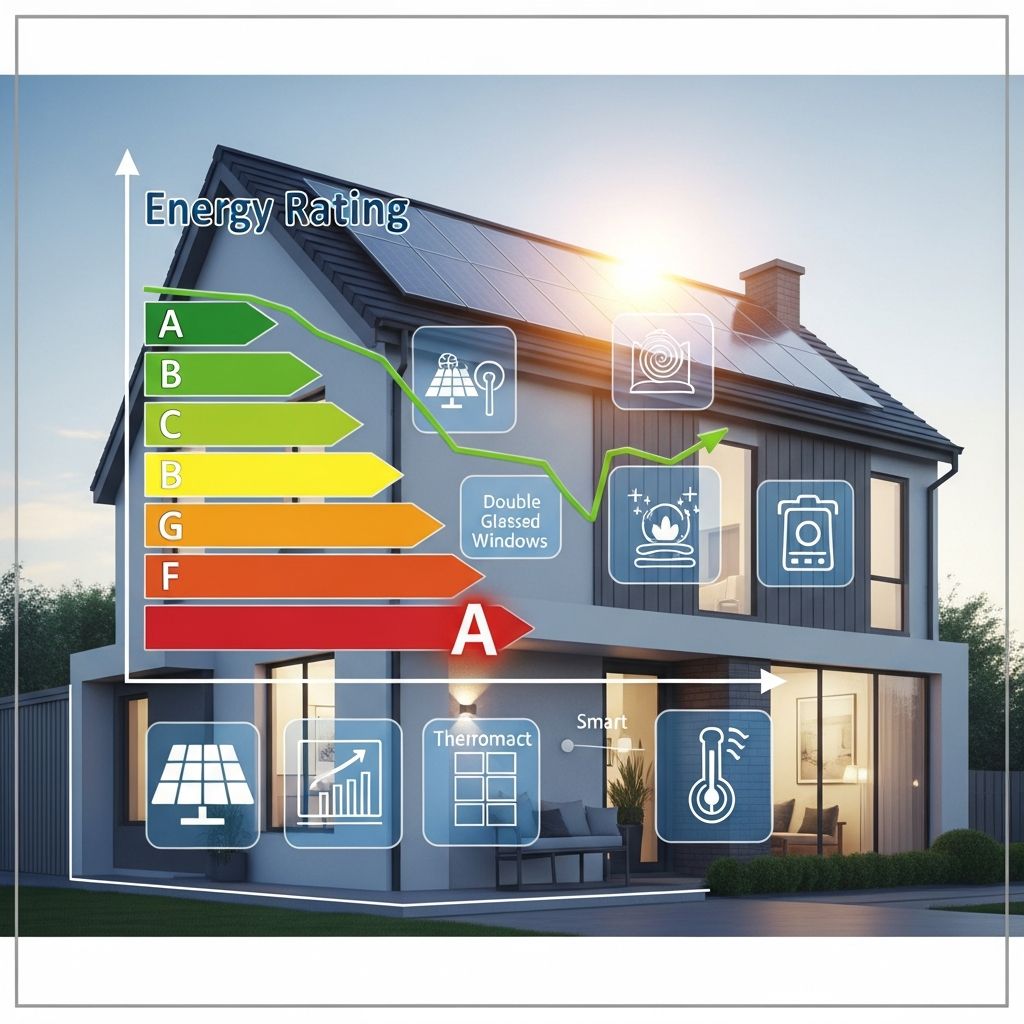
Energy efficiency ratings offer homeowners a clear metric to evaluate how well their property conserves power and reduces expenses. These standardized scores, derived from rigorous assessments, compare a home’s performance against benchmarks, guiding improvements that lower bills and environmental impact.
Why Energy Ratings Matter for Modern Homes
In today’s housing market, energy ratings have become essential tools for buyers, sellers, and owners alike. They quantify a home’s ability to minimize energy waste, directly influencing monthly utility costs and long-term value. With rising energy prices and stricter building codes, understanding these ratings empowers informed decisions.
Ratings highlight strengths and weaknesses in insulation, HVAC systems, and appliances, providing a roadmap for upgrades. Properties with superior scores often command premium prices, as they promise reduced operating costs and enhanced livability. For new constructions, achieving high marks ensures compliance with codes like the International Energy Conservation Code (IECC).
Primary Types of Home Energy Ratings
Several systems dominate the field, each with unique methodologies and scales. The most prominent include the HERS Index and ENERGY STAR certifications, alongside emerging options like the Home Energy Score.
HERS Index: The Industry Standard
The Home Energy Rating System (HERS) Index, managed by the Residential Energy Services Network (RESNET), delivers a precise score from 0 to 150. A score of 100 matches a reference home built to 2006 IECC standards. Lower numbers signal better efficiency: a 70 means 30% less energy use than the baseline, while 0 denotes a net-zero home that generates as much energy as it consumes.
This system is mandatory in many states for code compliance and is trusted by builders, lenders, and appraisers. Its detailed modeling accounts for climate, orientation, and occupant habits.
ENERGY STAR: Beyond Homes to Systems
Developed by the U.S. Environmental Protection Agency (EPA), ENERGY STAR evaluates individual components like appliances and HVAC units, extending to whole-home certifications. For air conditioners, a Seasonal Energy Efficiency Ratio (SEER) of 14.5 or higher qualifies, potentially slashing cooling costs by up to 40%.
Whole-home ENERGY STAR homes must meet strict criteria, verified through third-party testing, ensuring superior airtightness and ventilation.
Home Energy Score: Simple 1-10 Scale
The U.S. Department of Energy’s Home Energy Score uses a 1-10 scale, where 10 represents top-tier efficiency. It’s quicker and less invasive than HERS, ideal for existing homes. Scores factor in envelope integrity, lighting, and major appliances, projecting annual energy costs.
How Ratings Are Calculated: Step-by-Step
Obtaining a rating involves certified professionals using software, inspections, and tests. Here’s the typical process:
- Site Inspection: Raters examine insulation, windows, doors, and systems for quality and installation.
- Diagnostic Tests: Blower door tests quantify air leakage; duct blaster checks HVAC distribution efficiency.
- Data Modeling: Software simulates annual energy use based on local weather, home size, and features, comparing to a reference design.
- Score Generation: Results yield a final index, plus recommendations for optimization.
For HERS, the model benchmarks against the 2006 IECC reference, adjusting for variables like solar gain and occupancy.
Key Factors Influencing Your Score
Ratings hinge on multiple elements of home design and operation. Optimizing these can dramatically improve performance.
| Factor | Description | Impact on Score |
|---|---|---|
| Building Envelope | Insulation in walls, attics, and floors; air sealing; window U-factors and SHGC. | High impact: Poor sealing alone can add 20-30 points to HERS. |
| HVAC Efficiency | Furnace AFUE, AC SEER, duct leakage. | Critical: Efficient systems cut heating/cooling use by 20-50%. |
| Water Heating | Tank efficiency, pipe insulation, demand systems. | Moderate: Upgrades save 10-20% on hot water energy. |
| Lighting & Appliances | LEDs, Energy Star models. | Lower impact but cumulative savings. |
| Renewables | Solar PV, geothermal. | Game-changer: Can drive scores to 0. |
Decoding Score Meanings and Benchmarks
- 0-50: Elite efficiency; net-zero potential with renewables. Ideal for eco-conscious buyers.
- 51-80: Excellent; qualifies for green mortgages, 20-50% savings vs. average.
- 81-100: Code-compliant new build; solid baseline.
- 101+: Older or inefficient; average resale home ~130, 30% worse than code.
Average U.S. homes score around 130 on HERS, highlighting vast improvement opportunities.
Financial and Lifestyle Benefits
Superior ratings deliver tangible returns. Energy savings average $500-2000 yearly, depending on size and location. Enhanced comfort from even temperatures and filtered air reduces health risks. Resale values rise 3-5% per 10-point HERS drop, per market data.
Moreover, low-score homes access incentives: tax credits, rebates, and favorable loans like Energy Efficient Mortgages (EEMs) covering upgrades.
Practical Steps to Boost Efficiency
Start with a professional rating to identify priorities. Common upgrades include:
- Seal gaps and add insulation (R-49 attics recommended).
- Install high-SEER HVAC and tight ducts.
- Switch to heat-pump water heaters.
- Add solar panels for net-zero trajectory.
- Incorporate smart thermostats and EV-ready wiring.
These yield quick ROI, often under 5 years, while future-proofing against code changes.
Navigating Ratings in Real Estate
Buyers should demand verified scores; sellers gain edge with HERS verifications on listings. Lenders increasingly factor ratings into appraisals. Public registries like RESNET’s track certified homes, building buyer trust.
Frequently Asked Questions
How much does a HERS rating cost?
Typically $300-800, varying by home size and location. Worth it for major transactions.
Can I improve an existing home’s rating?
Yes, retrofits like insulation and efficient windows routinely drop scores 20-40 points.
What’s the difference between HERS and ENERGY STAR?
HERS is a comparative index; ENERGY STAR certifies meeting specific thresholds.
Do rentals need energy ratings?
Not mandatory, but high scores attract tenants and cut owner costs.
How accurate are these predictions?
Validated by field tests; actual savings depend on usage habits.
Future Trends in Home Energy Assessment
Advancements include AI-driven modeling, all-electric readiness (e.g., induction stoves, EV chargers), and grid-responsive tech. By 2030, net-zero mandates may standardize low HERS scores nationwide.
Homeowners investing now position for rebates under acts like the Inflation Reduction Act, amplifying returns.
References
- Understanding HERS Rating and Its Role in Energy Efficiency — DiLandro Andrews. 2023. https://dilandroandrews.com/hers-rating-system/
- Home energy efficiency ratings, explained — Destination Homes. 2024. https://www.destinationhomes.com/blog/home-energy-efficiency-ratings-explained
- Home Energy Rating — Wikipedia (citing RESNET/IECC). 2025. https://en.wikipedia.org/wiki/Home_Energy_Rating
- Understanding the HERS Index — HERS Index. 2024. https://www.hersindex.com/hers-index/understanding-hers-index/
- Understanding Home Energy Efficiency Ratings — Scott Home Inspection. 2023. https://scotthomeinspection.com/understanding-home-energy-efficiency-ratings/
Similar Articles








Read full bio of medha deb