Home Closing Process: 8 Key Steps For A Smooth Closing
Complete guide to understanding final steps in purchasing your home
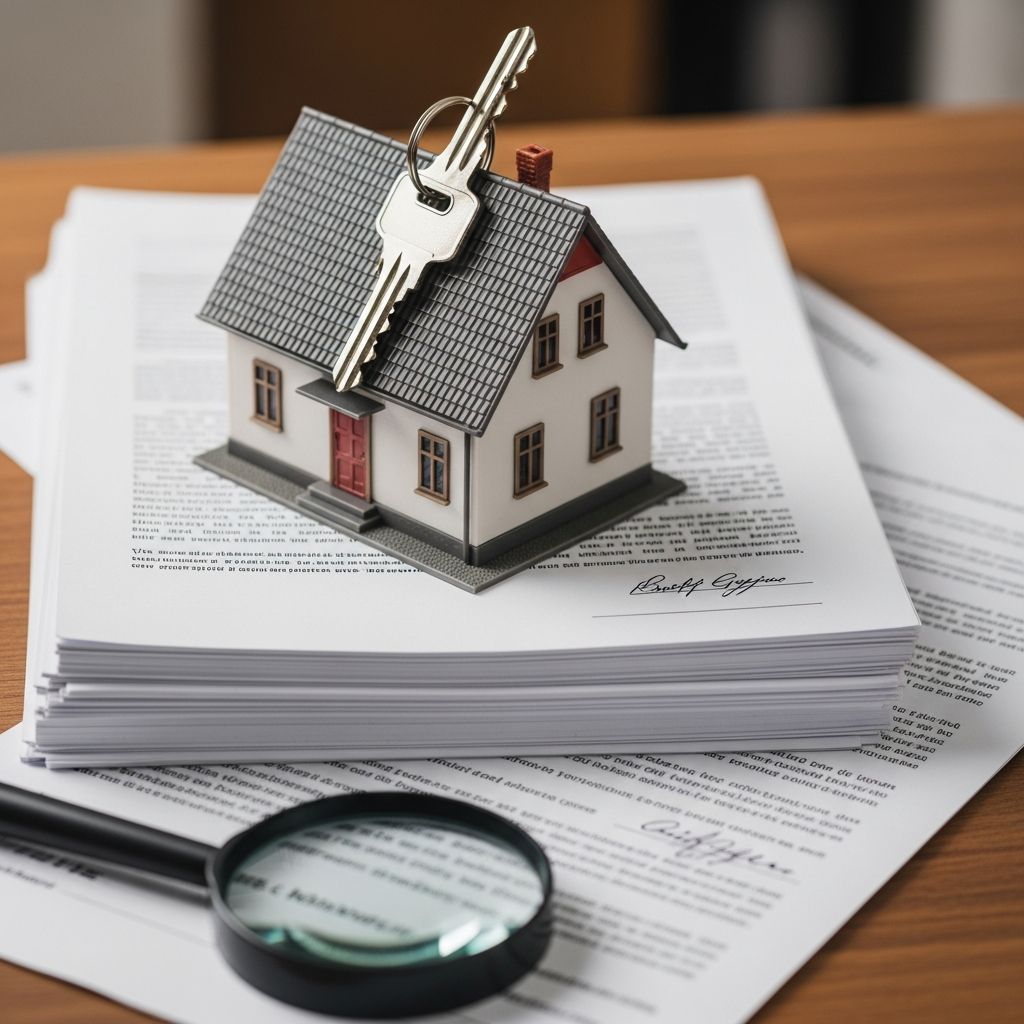
The closing process represents the final and most crucial stage of purchasing a home. After months of searching, making offers, and navigating loan approvals, closing is where legal ownership transfers from the seller to you as the buyer. This phase involves substantial paperwork, financial transactions, and coordination among multiple parties, but understanding what to expect can help you move through it with confidence.
What Exactly Is Home Closing?
Home closing, also known as settlement, is the formal conclusion of a real estate transaction. During this meeting, youu2019ll sign all necessary legal documents, transfer funds for your down payment and closing costs, and receive the keys to your new property. The closing process typically involves your lender, real estate agent, title company, attorney (in some states), and the selleru2019s representatives.
The timeline from offer acceptance to closing generally spans 30 to 45 days, though this can vary based on loan type, market conditions, and any complications that arise during underwriting or inspections. This period allows time for your lender to process your application, order the appraisal, conduct underwriting, and ensure all conditions are met.
Critical Documents You'll Encounter at Closing
Before walking into your closing meeting, you should understand the key documents you'll be signing. These papers are legally binding and commit you to the terms of your mortgage.
The Closing Disclosure
This is perhaps the most important document you'll receive. The Closing Disclosure itemizes all final loan terms, including your interest rate, loan amount, monthly payment, and all closing costs. Federal law requires your lender to send this document at least three business days before closing, giving you time to review the figures and compare them against your original Loan Estimate. Carefully verify that all numbers match what you expected and ask your lender about any discrepancies.
The Promissory Note
By signing the promissory note, you're officially committing to repay the loan according to the agreed-upon terms. This document specifies your loan amount, interest rate, repayment schedule, and the consequences of default.
The Mortgage or Deed of Trust
This document secures your promissory note by pledging your property as collateral. If you fail to make payments, your lender has the right to foreclose on the property. The specific form varies by state 74some states use mortgages while others use deeds of trust.
The Settlement Statement
Also called the Closing Statement or HUD-1 form, this document itemizes all costs associated with the transaction, including commissions, taxes, title insurance, and any credits or adjustments. Review this statement carefully to understand where your money is going.
Understanding Closing Costs
Closing costs typically range from 3% to 6% of your total loan amount and cover various services and fees required to complete the transaction. These costs are separate from your down payment and represent a significant expense you should budget for during the homebuying process.
Common Components of Closing Costs
- Lender origination fee: Compensation for processing your loan application
- Appraisal fee: Cost for the property valuation the lender requires
- Title search and insurance: Ensures the property has a clear title and protects against ownership disputes
- Homeowners insurance: Required by lenders before closing; covers damage to the property
- Property taxes: Your prorated share of annual taxes
- Attorney fees: Legal representation (required in some states)
- Recording fees: Costs to record the deed with local authorities
- HOA transfer fees: If applicable to a homeowners association property
- Discount points: Optional fees to lower your interest rate
Your Loan Estimate, provided when you apply for the mortgage, gives you an early projection of these costs. While the final numbers may vary slightly, significant increases warrant discussion with your lender.
Preparing Your Finances for Closing
Before closing day arrives, you need to arrange payment for your down payment and closing costs. Most lenders require a cashier's check or wire transfer to prevent fraud and ensure funds are immediately available. Personal checks typically aren't accepted due to the large amounts involved.
Steps to Prepare Financially
- Calculate your exact down payment and closing costs using your Closing Disclosure
- Contact your lender to confirm the exact amount needed and acceptable payment methods
- Obtain a cashier's check from your bank or arrange a wire transfer
- Confirm the receiving account details with your lender or closing agent
- Plan to arrive at closing with proof of funds (your bank statement)
Never send large sums of money to unknown accounts or based on email instructions. Verify all financial details directly through official lender channels, as wire fraud targeting homebuyers has become increasingly common.
The Closing Meeting: What to Expect
The actual closing meeting typically lasts one to two hours and involves signing numerous documents. You'll sit with a closing agent (often employed by the title company) who will walk you through each document, explaining what you're signing and why.
Before You Arrive
Bring your government-issued ID, a copy of your Closing Disclosure, and proof that you have funds available for your down payment and closing costs. Arrive early to allow time for any questions before signing begins. Many closings now happen virtually through electronic signatures, allowing you to participate from home with proper identity verification.
During the Meeting
The closing agent will guide you through the signing process. Don't hesitate to ask questions about anything you don't understand—this is your right as the borrower. Carefully read each document before signing, paying particular attention to the terms, amounts, and dates. Your initials and signature indicate you've reviewed and agree to each document's contents.
After Signing
Once all documents are signed, the closing agent will submit them for recording with the appropriate government offices. The title company will issue the title insurance policy, and your lender will fund the loan. Within a few business days, the deed will be recorded in your name, officially transferring ownership to you.
Conducting Your Final Walkthrough
Before closing, you should schedule a final walkthrough of the property with your real estate agent. This is your opportunity to confirm that any agreed-upon repairs have been completed, that the property condition matches what you inspected earlier, and that the seller has removed their belongings as expected.
During this walkthrough, verify that:
- All fixtures and appliances that were part of the sale remain in place
- Any repairs negotiated during inspections have been properly completed
- The property is in the condition you last saw it
- Utility meters, locks, and access points function correctly
- The home is vacant and ready for your occupancy
If you discover significant issues during this walkthrough, you may be able to delay closing until problems are resolved. This is why the final walkthrough is critical—it’s your last chance to identify problems before ownership transfers.
Timing and Coordination
The closing timeline depends on several factors working in coordination. Your lender will send you a Closing Disclosure once your loan has been fully underwritten and all conditions satisfied. You must receive this at least three business days before closing, which becomes your scheduled closing date.
Your closing agent, lender, and real estate agent work together to schedule a mutually convenient time and location for the closing meeting. Many title companies offer multiple closing locations, and some offer evening or weekend appointments to accommodate working buyers.
If complications arise during processing—such as additional documentation requests or conditions that need satisfaction—closing may be delayed. Staying responsive to your lender’s requests and providing documents quickly helps keep the timeline on track.
Common Closing Complications and How to Avoid Them
While most closings proceed smoothly, understanding potential complications helps you avoid delays:
| Potential Issue | How to Prevent It |
|---|---|
| Title problems preventing insurance issuance | Conduct a thorough title search early; address any liens or claims before closing |
| Appraisal comes in lower than purchase price | Have realistic expectations; be prepared to renegotiate or increase down payment |
| Missing or incomplete documentation | Respond promptly to lender requests; keep organized records of all submissions |
| Homeowners insurance delays | Shop for insurance early; secure a binding commitment before closing date |
| Funds not available at closing | Confirm wire transfer details; verify funds have arrived at the closing agent’s account |
| Last-minute seller complications | Maintain communication with seller’s agent; stay flexible with closing timeline |
After Closing: Your New Homeownership Begins
Once you’ve signed all documents and funds have been transferred, the closing agent will submit everything for recording. The deed will be recorded in the county records under your name, officially transferring ownership. You’ll receive the keys to your new home and can begin moving in.
Within days of closing, you should receive copies of all signed documents and your title insurance policy. File these documents safely in a secure location—you may need them for future refinancing, selling, or dispute resolution.
Your first mortgage payment typically isn’t due until one month after closing, giving you time to move and settle in before beginning your regular payment schedule. Review your mortgage documents to confirm your exact first payment due date.
Key Takeaways for a Smooth Closing
- Obtain and carefully review your Closing Disclosure at least three days before closing
- Understand what each document you’re signing represents and your obligations
- Arrange your down payment and closing costs through secure methods approved by your lender
- Conduct a final walkthrough to confirm property condition before closing
- Ask questions about anything you don’t understand—this is your right
- Bring required identification and documentation to the closing meeting
- Keep organized records of all signed documents after closing
- Understand your mortgage payment schedule and when your first payment is due
The home closing process, while document-intensive and sometimes overwhelming, marks the culmination of your homebuying journey. By understanding what to expect, preparing thoroughly, and staying organized throughout the process, you can navigate closing with confidence and emerge as a proud homeowner.
Frequently Asked Questions About Home Closing
How long does the closing process take?
From initial application to closing typically takes 30 to 45 days, though this varies based on loan type, documentation availability, and any issues discovered during underwriting. Some loans close faster, while complex transactions may take longer.
Can I close virtually?
Yes, many lenders and title companies now offer virtual closing options using electronic signatures and video verification. This allows you to close without traveling to a physical location.
What if I discover problems during my final walkthrough?
Contact your real estate agent immediately. Depending on the problem’s severity, you may be able to delay closing until issues are resolved or negotiate with the seller for repairs or credits.
Do closing costs vary by location?
Yes, closing costs vary significantly by state and locality due to different tax structures, insurance requirements, and attorney involvement. Your Loan Estimate provides specific costs for your transaction.
What happens if I can’t attend closing?
You can authorize someone with power of attorney to sign documents on your behalf, or participate virtually if your lender offers that option. Discuss alternatives with your closing agent if you have scheduling conflicts.
References
- The Mortgage Loan Process in 10 Steps — Navy Federal Credit Union. 2025. https://www.navyfederal.org/loans-cards/mortgage/mortgage-basics/mortgage-process.html
- Your 10-Step Guide to the Mortgage Loan Process — Bank of America. 2025. https://www.bankofamerica.com/mortgage/learn/guide-to-the-mortgage-loan-process/
- How to Buy a House: Your Step-by-Step Guide to Buying in 2025 — Rocket Mortgage. 2025. https://www.rocketmortgage.com/learn/how-to-buy-a-house
- Buying a House — Consumer Financial Protection Bureau. 2025. https://www.consumerfinance.gov/owning-a-home/
- 7-Step Guide to a Smooth Mortgage Process for First Time Home Buyers — First Financial Bank of Kansas City. 2025. https://www.ffbkc.com/blogs/borrowing/7-step-guide-to-mortgage/
Similar Articles








Read full bio of medha deb