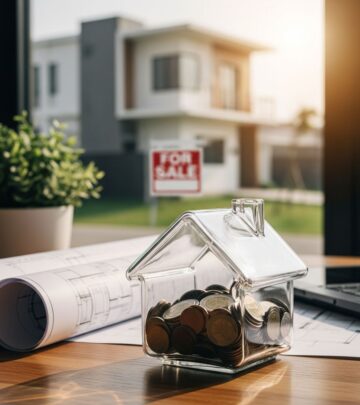
Managing Home Purchase with Limited Finances
Strategic approaches to purchasing real estate when money is tight.

The dream of homeownership often feels out of reach when you’re working with a constrained budget. However, the modern mortgage landscape offers numerous pathways for buyers with modest financial means to achieve this goal. Understanding these options and developing a strategic approach to the home-buying process can make the difference between renting indefinitely and holding the keys to your own property.
Evaluating Your True Purchasing Capacity
Before exploring creative financing solutions, you need an honest assessment of what you can realistically afford. This goes beyond simply looking at home prices in your area—it requires a comprehensive understanding of your complete financial picture.
Start by calculating your debt-to-income ratio, which most lenders use as a primary qualification metric. Your total housing costs (mortgage payment, property taxes, and homeowners insurance) should ideally be around 28% of your gross monthly income. This means if you earn $4,000 monthly before taxes, your housing expenses shouldn’t exceed $1,120.
Beyond monthly payments, you must account for closing costs, which typically range from 2% to 5% of the purchase price. A $250,000 home would require $5,000 to $12,500 in closing expenses alone. Many first-time buyers overlook these costs, which can create financial strain at closing.
Creating a Realistic Budget Framework
- Calculate gross monthly income: Use your pre-tax earnings, not take-home pay
- Multiply by 0.28: This gives your maximum recommended housing budget
- Factor in property taxes: Research your target area’s tax rates
- Include homeowners insurance: Budget $1,000-2,000 annually depending on location and home value
- Account for HOA fees: If applicable, these count toward your housing ratio
- Reserve funds for closing: Set aside 2-5% of purchase price
Exploring Down Payment Alternatives
The traditional 20% down payment standard is no longer a requirement for homeownership. First-time home buyers can now purchase with as little as 3% down, and some lenders offer options as low as 1%. This fundamental shift in lending practices has opened doors for millions of prospective buyers.
The trade-off for making a smaller down payment is private mortgage insurance (PMI), an additional monthly cost that protects lenders if you default. While PMI adds to your monthly payment, it allows you to build equity in your home much sooner rather than waiting years to accumulate a larger down payment.
Down Payment Assistance Programs
Many states and local municipalities offer down payment assistance to qualifying buyers. Research assistance programs at federal, state, and local levels to identify grants or forgivable loans that reduce your upfront cash requirement. Some programs provide outright grants you don’t repay, while others offer low-interest loans that behave similarly to second mortgages.
These programs often have income limits and property value caps, so they’re frequently most beneficial for buyers in lower-to-moderate income brackets purchasing homes in their local areas.
Strategic Cost Reduction Throughout the Purchase Process
Limiting your upfront cash doesn’t mean you must abandon financial prudence. Implementing cost-saving strategies throughout the buying journey can preserve precious capital.
Timing and Seasonal Considerations
Real estate markets fluctuate seasonally. Winter months typically see fewer buyers, potentially giving you more negotiating leverage. Sellers who’ve maintained a listing through colder months are often more motivated to accept lower offers. Additionally, homes listed during slower seasons face less competition from other buyers, allowing you to negotiate more favorable terms.
Negotiation and Offer Strategy
When making an offer on a home within your budget constraints, consider asking the seller to cover some closing costs. Rather than insisting on a price reduction, request that the seller contribute 2-3% of the purchase price toward your closing expenses. This approach benefits sellers who want to avoid the effort and cost of re-listing should your deal fall through.
Inspections and Repair Negotiations
A thorough home inspection is crucial when buying with limited resources. Watch for red flags including foundation issues, water damage or mold signs, outdated electrical systems, roof problems, pest infestations, and environmental hazards. Discovering these issues before purchase allows you to negotiate repairs or request the seller make corrections before closing, saving you thousands in post-purchase repairs.
Mortgage Selection for Budget-Conscious Buyers
Choosing the right mortgage product is critical when managing limited finances. Different loan types offer distinct advantages depending on your situation.
Comparing Mortgage Products
| Loan Type | Down Payment | Best For | Key Consideration |
|---|---|---|---|
| Conventional | 3-20% | Good credit scores | Requires PMI below 20% down |
| FHA Loans | 3.5% | Lower credit scores | Mortgage insurance required |
| VA Loans | 0% | Military veterans | Limited to eligible service members |
| USDA Loans | 0% | Rural properties | Geographic and income restrictions |
When shopping for a lender, request zero-discount-points offers so you can make accurate comparisons between different lenders. This standardizes quotes, making it easier to evaluate interest rates and terms objectively.
Preparing Financially Before House Hunting
Jumping into home shopping without financial preparation often leads to disappointing offers or purchasing decisions you later regret. A structured preparation phase establishes a solid foundation.
Credit Score Optimization
Maintain a strong credit score, as higher scores typically qualify for lower rates. Begin by reviewing your credit report for errors and disputing any inaccuracies. Even small improvements to your score can reduce your interest rate by 0.25%, translating to significant monthly savings on your mortgage.
Debt Management
Keep debt low, as managing your debt-to-income ratio is essential for qualification. Paying down credit cards, car loans, or student loans before applying for a mortgage improves your borrowing capacity and interest rate. Even reducing existing debt by a few thousand dollars can meaningfully impact your loan approval amount and terms.
Building Emergency Reserves
Build an emergency fund separate from your down payment savings. Homeownership brings unexpected expenses—a failing water heater, roof repairs, or HVAC system replacement can cost thousands. Lenders appreciate seeing reserves equal to several months of housing payments, which also strengthens your application.
Defining Your Home Search Parameters
When operating within budget constraints, strategic targeting of your home search prevents wasted effort and emotional disappointment.
Establishing Priorities and Flexibility
Start your search by identifying your non-negotiables and creating a clear wishlist to stay grounded. Location is often the biggest factor—how close you need to be to work, school, public transit, and essential services should drive your geographic focus. From there, consider required features like the number of bedrooms, bathrooms, or specific accessibility needs.
Location-Based Financial Strategy
Location is the one thing you cannot change about a home, so research the neighborhood, school district, potential noise pollution, and whether the home is located in a flood zone. Choosing less expensive neighborhoods or emerging areas with growth potential allows you to stretch your budget further while positioning yourself for future appreciation.
Working with Real Estate Professionals
Working with a buyer’s agent can make the process smoother, as they’ll handle offer negotiations and guide you through the complexities of the housing market. A knowledgeable agent who understands your budget constraints can prioritize your interests and identify properties that meet your needs without wasting time on unsuitable options.
Frequently Asked Questions
Can I get a mortgage with minimal down payment and poor credit?
FHA loans are specifically designed for borrowers with lower credit scores, accepting scores as low as 580 with a 3.5% down payment. However, you’ll pay higher interest rates and mortgage insurance premiums than borrowers with excellent credit. Working on improving your credit before applying can reduce your long-term costs.
How do closing cost assistance programs work?
These programs provide grants or forgivable loans to cover portions of closing costs. Some are state-administered, while others are offered by nonprofits or lenders. Eligibility typically requires completing homebuyer education and meeting income thresholds. Your lender can identify programs available in your area.
Is private mortgage insurance ever removed from my loan?
Yes, PMI can be removed once you build 20% equity in your home through a combination of down payment and principal payoff. Some loans allow cancellation requests after reaching this threshold, while others automatically terminate PMI at this point.
What’s the difference between pre-qualification and pre-approval?
Pre-qualification is informal and based on information you provide without verification. Pre-approval involves documentation review and verification by a lender, providing a formal commitment on how much you can borrow. Sellers take pre-approval letters much more seriously in negotiations.
Should I buy a less expensive home than I’m approved for?
Many financial advisors recommend staying below your maximum approval amount to maintain financial flexibility for unexpected expenses, investments, and lifestyle changes. A home you can technically afford may stress your budget unnecessarily.
Moving Forward with Confidence
Purchasing a home on a limited budget requires careful planning, realistic expectations, and strategic decision-making. By understanding your true financial capacity, exploring low down payment options, and implementing cost-saving strategies throughout the process, homeownership becomes achievable even when funds are tight. The key is patience—taking time to prepare financially and make deliberate choices rather than rushing into a purchase you’re not truly ready for.
References
- A Comprehensive Home Buying Guide for 2026: First-Time Buyers Roadmap — NADLAN Capital Group. 2026. https://nadlancapitalgroup.com/a-comprehensive-home-buying-guide-for-2026-first-time-buyers-roadmap/
- First-Time Homebuyer Guide 2026 — National Mortgage Center. 2026. https://nationalmortgagecenter.com/first-time-homebuyer
- Buying a Home in 2026? Here’s What to Do First — NCHFA. 2026. https://www.nchfa.com/news/home-matters-blog/buying-home-2026-here%E2%80%99s-what-do-first
- First-Time Homebuyer Guide — Bankrate. 2026. https://www.bankrate.com/mortgages/first-time-homebuyer-guide/
- Could More First-time Buyers Make the Math Work in 2026? — National Association of Realtors. 2026. https://www.nar.realtor/magazine/real-estate-news/could-more-first-time-buyers-make-the-math-work-in-2026
- First-Time Home Buyer Programs in 2026: Everything You Need to Know — Amerisave. 2026. https://www.amerisave.com/learn/firsttime-home-buyer-programs-in-everything-you-need-to-know
Similar Articles








Read full bio of Sneha Tete