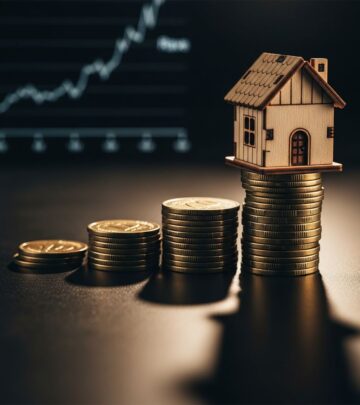
Home Buying in High Rate Times
Discover if now is the right moment to purchase a home amid elevated mortgage rates, weighing financial benefits against challenges.

Navigating the housing market becomes particularly complex when mortgage rates climb. Prospective buyers often face the dilemma of whether to proceed with a purchase or hold off for better conditions. Elevated rates increase borrowing costs, impacting affordability and long-term financial planning. Yet, opportunities such as reduced competition and potential property appreciation can make buying viable for some. This article examines key factors to consider, strategies to employ, and scenarios where acting now pays off.
Understanding the Impact of Elevated Mortgage Rates
High interest rates directly elevate the cost of home loans. For instance, a shift from lower to higher rates can add hundreds of dollars to monthly payments on a standard loan. On a $400,000 mortgage over 30 years, moving from 5% to 7% increases the principal and interest payment by approximately $529 monthly, totaling over $190,000 extra over the loan term. This calculation highlights how rates compound expenses beyond the initial purchase price.
Beyond payments, rates affect purchasing power. Lenders calculate affordability based on debt-to-income ratios, which tighten in high-rate environments. Borrowers may qualify for smaller loans, necessitating larger down payments or cheaper homes to maintain manageable payments. Additionally, approval becomes stricter as banks scrutinize finances more closely.
Financial Advantages of Purchasing Now
Despite challenges, buying during high rates offers distinct benefits. First, fixed-rate mortgages lock in payments, shielding buyers from future rate hikes or inflation-driven rent increases. This stability proves invaluable over decades.
Second, homeownership builds equity. Each payment reduces principal owed, creating an asset that grows with property value appreciation. In strong markets, this long-term gain often outweighs initial high-rate costs.
Third, current conditions reduce buyer competition. Fewer participants mean less frenzy, more negotiation room, and seller concessions like closing cost coverage. Homes may sell at less inflated prices, presenting bargains.
- Equity accumulation through principal paydown and appreciation.
- Payment predictability with fixed terms.
- Negotiation leverage in slower markets.
Key Challenges and Risks Involved
High rates amplify monthly obligations, straining budgets. Savings accounts yield more, tempting some to delay buying and build cash reserves instead. For example, at 7% rates on a typical loan, payments hit $2,422 monthly, versus $2,301 at 6.5%—a $121 monthly difference that accumulates annually.
Upfront costs escalate too: down payments, closing fees, and inspections demand substantial liquidity. Market risks include potential value dips if economic pressures mount, complicating quick sales. Investors face cash flow squeezes from pricier repayments.
| Mortgage Rate | Monthly P&I (on $400k loan) | Vs. 7% Monthly Savings | Annual Savings |
|---|---|---|---|
| 7.0% | $2,421.70 | – | – |
| 6.5% | $2,300.73 | $120.97 | $1,451.64 |
| 6.0% | $2,182.36 | $239.34 | $2,872.08 |
| 5.5% | $2,066.75 | $354.95 | $4,259.40 |
This table, adapted from payment comparisons, illustrates sensitivity to rate changes.
Strategic Approaches to Mitigate High Rates
Buyers can counter elevated rates with smart tactics. Rate buydowns temporarily lower effective rates by paying points upfront, easing early payments. Shop multiple lenders for competitive offers, as spreads vary.
Consider adjustable-rate mortgages (ARMs) for initial low periods, though they carry future risk. Larger down payments reduce loan size and interest burden. Explore FHA or VA loans for favorable terms if eligible.
Refinancing later offers flexibility. If rates drop, swap to cheaper loans while retaining equity built. Timing purchases for motivated sellers maximizes concessions.
- Compare lender quotes thoroughly.
- Boost down payment to shrink loan amount.
- Plan for potential refinance opportunities.
- Target markets with stable or rising values.
Rent versus Buy: A Balanced Comparison
Renting preserves flexibility and avoids high entry costs, especially amid rising rates. Savings from lower rent can fund high-yield accounts, accelerating future down payments. However, rents often rise with inflation, eroding savings without equity gains.
Run personalized calculations: factor rent trends, expected rate drops, and stay duration. Short-term renters benefit from waiting; long-term residents favor buying for equity and stability. High rates may stabilize markets, curbing speculative bubbles.
Market Dynamics and Future Outlook
High rates typically cool demand, stabilizing or lowering prices—a boon for cash-ready buyers. Unlike past cycles, some markets hold steady despite rates, signaling resilience. Inflation erodes cash value, pushing savers toward assets like property.
Monitor Federal Reserve actions; rate cuts could follow economic shifts. Historically, rates above 6% align with long-term averages, tempering perceptions of extremity. Investors eyeing cash flow must stress-test scenarios.
Personal Finance Readiness Checklist
Assess viability with these steps:
- Verify credit score above 700 for optimal rates.
- Secure employment stability for lender confidence.
- Build 3-6 months’ emergency fund.
- Calculate total ownership costs: taxes, insurance, maintenance.
- Consult financial advisors for tailored math.
Purchasing power drops notably; a 2% rate hike slashes affordable home size by 20-30%.
FAQs
Should I buy if rates are high but I plan to stay long-term?
Yes, if affordable—focus on equity and fixed payments outweighing rent hikes.
Can I refinance if rates fall?
Typically yes, after seasoning periods, preserving early equity.
Are there benefits to high-rate markets?
Less competition aids negotiation and potentially lower prices.
How do high rates affect loan approval?
They inflate debt ratios, demanding stronger finances.
Is renting smarter now?
For short-term or budget-tight situations, yes—to save for better entry.
Final Thoughts on Timing Your Move
Deciding to buy amid high rates hinges on personal circumstances: financial health, market locale, and horizon. While costs rise, equity, stability, and leverage balance the scale for prepared buyers. Crunch numbers, seek advice, and align with goals for optimal outcomes.
References
- Is It Better to Rent or Buy When Interest Rates Are High? — iBank First. 2023. https://www.ibankfirst.com/loans/is-it-better-to-rent-or-buy-when-interest-rates-are-high
- High-Interest Rates: To Invest or Not to Invest in Property? — Fabrik Property Group. 2023. https://fabrikpropertygroup.com/high-interest-rates-to-invest-or-not-to-invest-in-property/
- High vs. Low Interest Rates: Pros & Cons Explained — CDA Njoyner. 2023. https://www.cdanjoyner.com/blog/high-vs-low-interest-rates-pros-cons-explained/
- Buying a House with High Interest Rates: Things to Consider — Chase. 2023. https://www.chase.com/personal/mortgage/education/buying-a-home/buying-when-rates-are-high
- Home Buying Realities in a High Interest Rate Environment — Sanderson LLC. 2023. https://www.sandersonllc.com/home-buying-realities-in-a-high-interest-rate-environment/
- Why High Mortgage Rates Mean It’s Time to Save, Not Buy — Bankrate. 2023. https://www.bankrate.com/banking/when-mortgage-rates-rise-save-instead-of-buying/
Similar Articles








Read full bio of Sneha Tete