Home Appreciation: 3 Smart Ways To Boost Value
Discover how home values grow over time, key drivers, calculation methods, and strategies to maximize your property's worth for long-term wealth.
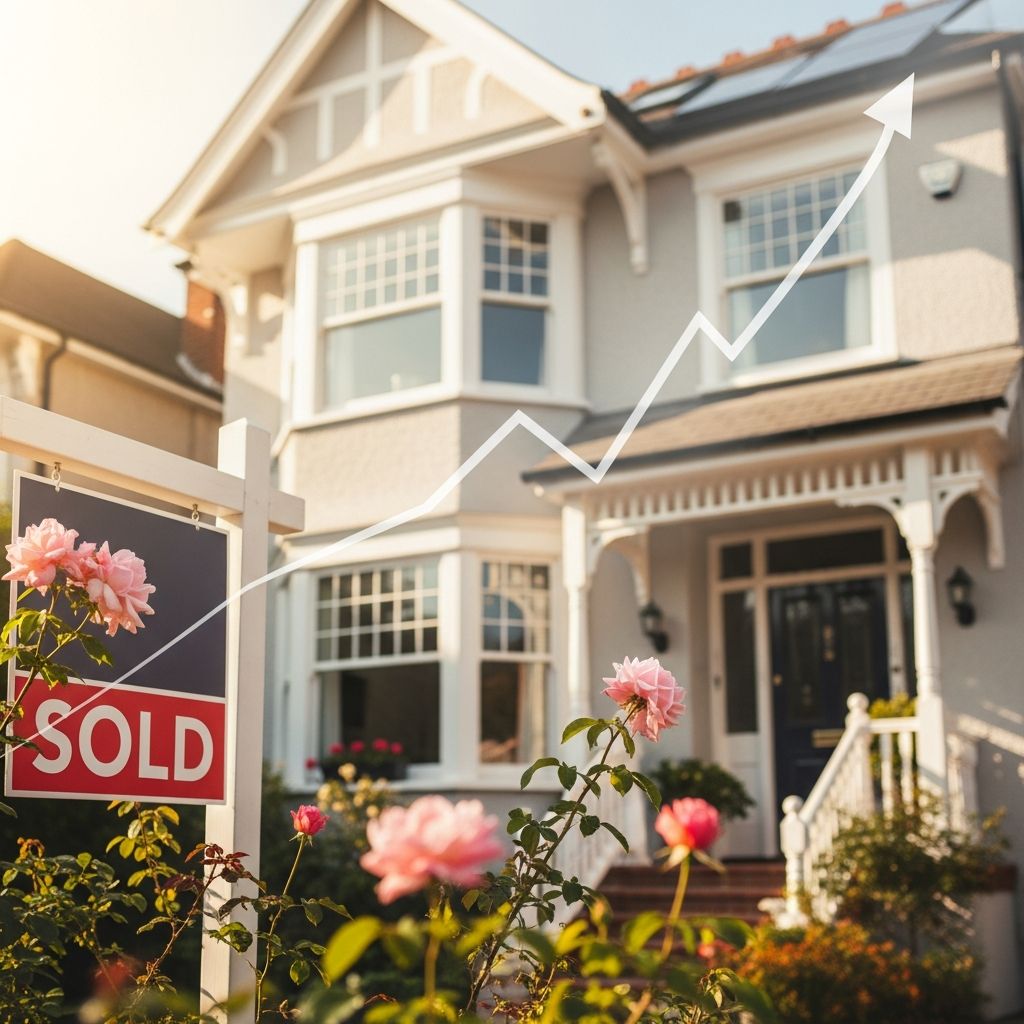
Property values tend to rise over time in most markets, creating opportunities for homeowners to build substantial wealth through real estate ownership. This natural increase, known as home appreciation, transforms a simple home purchase into a powerful financial asset that can fund future goals or provide retirement security.
Defining Property Value Growth
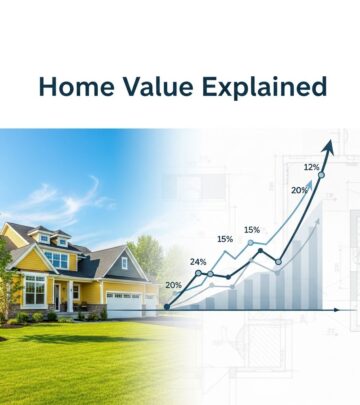
Home appreciation occurs when the market value of a residential property exceeds its original purchase price due to broader economic and local influences. Unlike forced gains from renovations, this type of value increase stems primarily from external market dynamics where demand outpaces supply in desirable areas. For instance, U.S. homes have historically appreciated at rates between 2% and 5% annually, though recent data shows median existing home prices reaching $426,900 by mid-2024, reflecting accelerated growth in certain periods.
This growth isn’t uniform; it varies by region, with urban centers and high-demand suburbs often seeing faster rises. Homeowners benefit as their equity—the gap between current value and remaining mortgage—expands, offering leverage for loans or sales profits. Understanding this process empowers better decision-making around buying, holding, or selling properties.
Core Drivers Behind Rising Home Values
Several interconnected elements propel home prices upward, often working in tandem to create sustained appreciation. Location remains paramount: properties near employment hubs, quality schools, and amenities like parks or transit consistently outperform others. Neighborhood revitalization, such as new infrastructure or commercial developments, further accelerates gains by attracting buyers.
- Supply and Demand Imbalance: Limited housing inventory amid population growth pushes prices higher, especially in migration hotspots.
- Economic Expansion: Job creation and rising incomes boost buyer confidence and purchasing power.
- Interest Rate Fluctuations: Lower rates increase affordability, spurring demand and value growth.
- Demographic Shifts: Trends like remote work or aging populations favor certain property types and areas.
Macro factors like inflation also play a role, as rising construction costs make new builds pricier, elevating existing home values indirectly. Local events, from tech booms to tourism surges, can supercharge appreciation in specific markets.
Value Decline: When Appreciation Reverses
Not all properties gain value indefinitely; depreciation happens when market forces erode worth. This decline contrasts sharply with appreciation, often triggered by recessions, where unemployment spikes reduce buyer pools. Natural disasters or environmental risks, like flooding zones, can deter purchasers and slash prices.
| Factor | Appreciation Impact | Depreciation Impact |
|---|---|---|
| Market Conditions | High demand drives gains | Recessions cause drops |
| Neighborhood Quality | Upgrades boost value | Deterioration lowers it |
| Maintenance | Preserves growth | Neglect accelerates loss |
Poor upkeep exacerbates depreciation, even in appreciating markets, as buyers factor repair costs into offers. Crime increases or business closures similarly undermine appeal, highlighting the need for vigilant property management.
Appreciation in Context: Inflation Comparison
While both reflect rising costs, home appreciation and inflation operate differently. Inflation measures general price hikes across goods and services, eroding money’s buying power. Property appreciation, driven by real estate specifics, can outpace inflation in hot markets, preserving or enhancing wealth.
For example, if inflation runs at 3% but homes appreciate 5%, owners gain real purchasing power. Conversely, stagnant markets may lag inflation, diminishing net benefits. Long-term data shows real estate often hedges against inflation effectively due to fixed mortgage payments amid rising rents elsewhere.
Quantifying Your Home’s Value Increase
Calculating appreciation provides concrete insight into your investment’s performance. The basic formula is: ((Current Value – Original Price) / Original Price) × 100 for percentage gain, or annualize by dividing by ownership years.
Consider a $300,000 purchase now valued at $350,000 after five years:
- Absolute Gain: $50,000
- Percentage: (($350,000 – $300,000) / $300,000) × 100 = 16.67%
- Annual Rate: 16.67% / 5 ≈ 3.33%
Tools like comparative market analyses or professional appraisals refine estimates, factoring comps from recent sales. Online estimators offer quick approximations but lack precision for unique properties.
Financial Advantages of Growing Equity
Appreciation directly fuels equity buildup, the owned portion of your home after subtracting debt. Monthly payments chip away at principal while market rises inflate value, compounding gains. This equity serves multiple purposes:
- Cash-Out Refinancing: Borrow against gains for debt consolidation or investments.
- Home Equity Lines of Credit (HELOCs): Flexible access for emergencies or upgrades.
- Sale Profits: Tax-advantaged capital for downsizing or relocation.
Over decades, this mechanism rivals stock market returns with less volatility, forming a cornerstone of wealth strategies for many families.
Strategies to Accelerate Property Value Growth
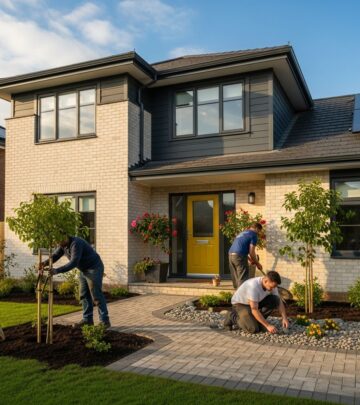
While market forces dominate, proactive steps amplify appreciation. Targeted renovations yield high returns: kitchen modernizations, bathroom refreshes, and energy-efficient upgrades often recoup 70-100% of costs via higher sale prices.
- Prioritize curb appeal with landscaping and fresh exteriors to attract more showings.
- Enhance functionality through open floor plans or smart home tech.
- Improve efficiency with insulation, solar panels, or appliances to cut utility bills and appeal to eco-conscious buyers.
Timing matters too—buying in up-and-coming areas before gentrification maximizes upside. Regular maintenance prevents depreciation pitfalls, ensuring steady climbs.
Market Trends Shaping Future Appreciation
Recent surges, with national medians climbing sharply post-2020, signal robust demand amid low inventory. However, forecasts suggest moderation as rates stabilize and supply inches up. Regional disparities persist: Sun Belt cities outpace Rust Belt counterparts due to migration and job growth.
Emerging influences like climate resilience and remote work viability will redefine desirable locations, rewarding adaptable properties. Investors monitoring these shifts position for optimal gains.
Frequently Asked Questions
What is the typical annual home appreciation rate?
Average U.S. rates hover at 2-3% long-term, varying by locale and economy.
Does home appreciation guarantee profit?
No—transaction costs, taxes, and market timing can offset gains; holding long-term minimizes risks.
How does location affect appreciation?
Prime spots near amenities and jobs appreciate fastest due to sustained demand.
Can I force appreciation through renovations?
Yes, strategic updates boost value beyond market rates, especially high-ROI projects like kitchens.
Is appreciation the same nationwide?
No—local factors create wide variances, with high-demand areas exceeding national averages.
References
- What is home appreciation in real estate? – Better Mortgage — Better.com. 2024. https://better.com/content/what-is-home-appreciation
- What Is Home Appreciation In Real Estate? – Bankrate — Bankrate. 2024-06. https://www.bankrate.com/real-estate/home-appreciation/
- What is Home Appreciation and How Is It Calculated? | Chase — Chase.com. 2025-01-23. https://www.chase.com/personal/mortgage/education/owning-a-home/home-appreciation
Similar Articles








Read full bio of medha deb