Home Appraisal Guide: Tips For Buyers And Sellers In 2025
Master the home appraisal process to ensure fair property valuation during buying, selling, or refinancing your home.
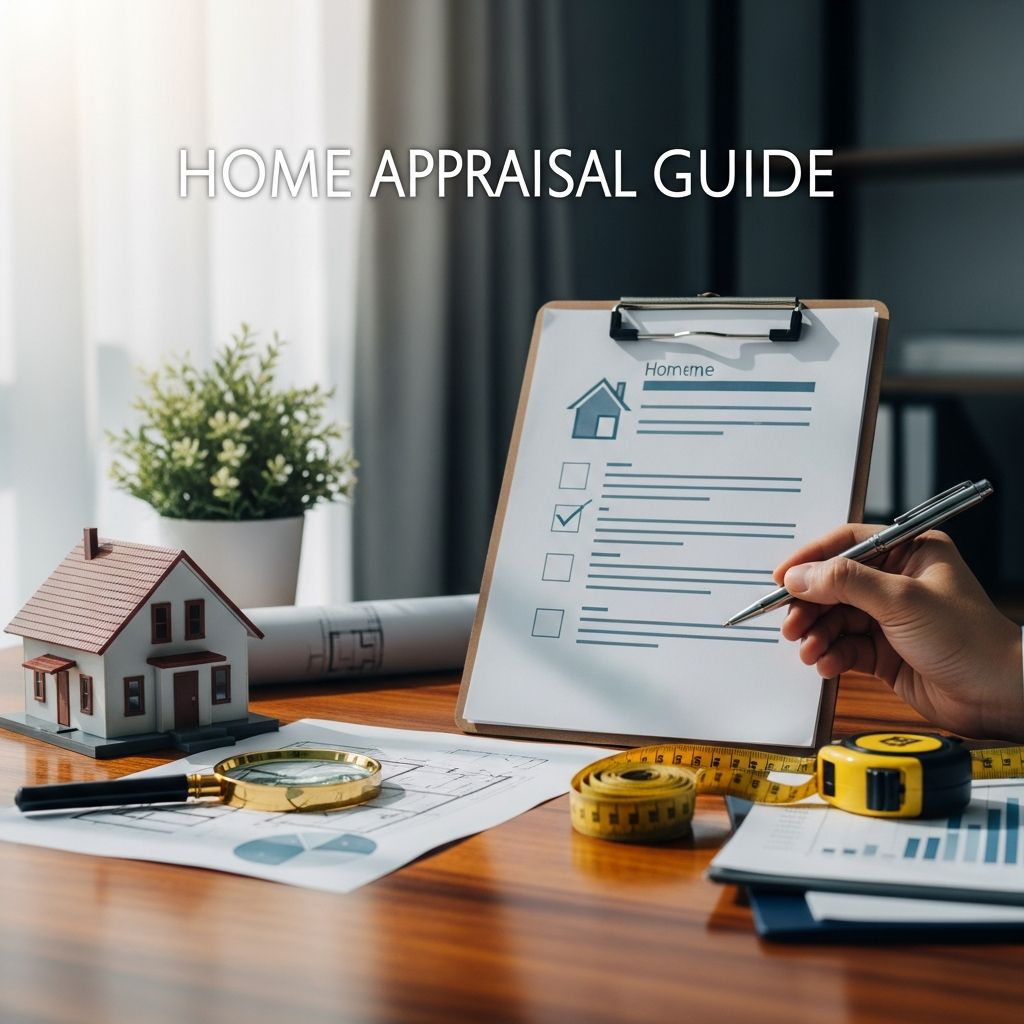
The home appraisal process serves as a critical checkpoint in real estate transactions, providing an independent assessment of a property’s market value to protect lenders and inform buyers and sellers. This evaluation ensures that loan amounts align with the home’s worth, preventing overfinancing and promoting fair dealings in the housing market.
Understanding the Fundamentals of Property Appraisals
A property appraisal involves a licensed professional examining a home to estimate its fair market value based on current conditions and comparable sales. Lenders typically order this assessment during mortgage applications for purchases or refinances, as it verifies that the property justifies the requested loan amount. The process emphasizes objectivity, with appraisers adhering to strict standards to avoid bias from buyers, sellers, or lenders.
Appraisals differ from home inspections; while inspections identify repair needs, appraisals focus solely on value determination. Common valuation methods include the sales comparison approach, which analyzes recent sales of similar nearby properties, and the cost approach, estimating rebuilding expenses minus depreciation plus land value. These methods ensure a comprehensive, data-driven opinion.
Key Stages in the Appraisal Journey
The appraisal unfolds in distinct phases, beginning with the lender’s order and culminating in a detailed report. Here’s a breakdown:
- Lender Initiation: After a purchase offer acceptance or refinance application, the lender selects or approves a licensed appraiser, often through an Appraisal Management Company (AMC) for impartiality.
- Scheduling the Visit: The appraiser contacts the homeowner or agent to arrange an inspection, usually within 48 hours of the order.
- On-Site Evaluation: The appraiser inspects the interior, exterior, and surrounding areas, documenting features, condition, and any upgrades.
- Market Research: Post-inspection, the appraiser reviews public records, comparable sales (comps), and neighborhood data.
- Report Delivery: A final report, including photos, sketches, and analysis, is sent to the lender within days to weeks.
Preparing Your Property for Optimal Results
Sellers and homeowners can influence appraisal outcomes through proactive preparation without crossing into unauthorized value discussions. Focus on accessibility, cleanliness, and documentation to showcase the home’s true potential.
| Preparation Area | Action Steps | Expected Benefit |
|---|---|---|
| Cleaning and Staging | Declutter rooms, clean thoroughly, ensure good lighting | Presents home in best light for photos and first impressions |
| Access and Safety | Unlock all areas including attics, basements, garages | Allows full inspection without delays or assumptions |
| Documentation | Compile receipts for renovations, upgrades, appliances | Provides evidence of value-adding improvements |
| Landscaping | Mow lawn, trim bushes, remove debris | Enhances curb appeal and exterior valuation |
| Repairs | Fix visible issues like leaky faucets or broken lights | Prevents negative notes on condition |
Providing a seller’s net sheet or improvement list can guide the appraiser toward accurate comp adjustments, though they remain independent in their conclusions.
Inside the Appraiser’s Inspection
During the 30-60 minute visit, the appraiser measures square footage, photographs key areas, and notes structural integrity, room counts, and unique features. They evaluate the roof, foundation, HVAC systems, and any additions. Exterior checks include the lot size, fencing, and neighborhood compatibility. Appraisers drive the area to assess location desirability and verify comps.
Homeowners or agents may attend to answer factual questions but cannot influence value opinions. The appraiser avoids discussions on price to maintain neutrality. Post-visit, they analyze at least three recent comps, adjusting for differences in size, age, and amenities to derive the final value.
Decoding Appraisal Reports and Valuation Methods
The resulting report, typically 10-20 pages, includes a street map, property sketch, room-by-room photos, comp details, and adjustment grids. Key sections explain square footage calculations, market trends, and the reconciled value opinion.
- Sales Comparison Approach: Primary method for single-family homes, comparing to 3-6 similar sold properties.
- Cost Approach: Useful for new builds or unique properties, calculating replacement cost.
- Income Approach: Applied to rentals, based on potential revenue.
Buyers receive the report via their lender and can review adjustments for transparency. Errors in comp selection or measurements can be flagged.
Financial Aspects: Costs and Timelines
Buyers usually pay $300-$500 for appraisals, covering the lender’s order fee, though sellers may cover in negotiations. Costs rise for larger homes, rural locations, or complex properties due to extra research. Timelines vary: scheduling (1-7 days), inspection (hours), report (3-10 days), totaling 1-3 weeks. Closing follows 1-3 weeks post-appraisal, depending on underwriting.
Navigating Low or Unexpected Appraisals
If the appraised value falls short of the contract price, options include renegotiating, buyer paying the difference, or challenging the report. Review for factual errors like incorrect comps or overlooked upgrades, then request a Reconsideration of Value (ROV) with supporting data. A second appraisal may be ordered if allowed by the lender. Sellers can appeal via their agent, providing market evidence.
In hot markets, appraisal gaps challenge buyers; bridging strategies like larger down payments or seller concessions help close deals.
Types of Appraisals for Different Needs
- Full Appraisal: In-person, detailed for purchases.
- Drive-By: Exterior-only for low-risk refinances.
- Desktop: No visit, using records for quick valuations.
- Hybrid: Combines data with limited inspection.
Choose based on lender requirements and transaction type.
Frequently Asked Questions (FAQs)
What if the appraisal comes in low?
Discuss with your agent: renegotiate price, challenge errors, or walk away. Lenders won’t fund above appraised value without adjustments.
Can I contact the appraiser directly?
No, communications go through the lender or AMC to preserve independence.
How do I prepare as a buyer?
Review the report post-delivery; you’re not required to share with sellers.
Does furnishing affect the appraisal?
Appraisals value the structure, not personal items, but staging aids presentation.
Is appraisal required for cash buys?
Not by lenders, but wise for buyer protection.
Strategic Insights for Buyers and Sellers
Buyers: Budget for fees and understand gaps. Sellers: Highlight upgrades factually. Both: Know timelines to avoid delays. In 2025, rising rates emphasize accurate valuations for affordability.
Appraisals safeguard the market’s integrity, ensuring transactions reflect true worth amid fluctuating conditions.
References
- Consumer Guide: The Appraisal Process — National Association of Realtors. 2023. https://www.nar.realtor/the-facts/consumer-guide-the-appraisal-process
- Understanding Appraisals and Why They Matter — Federal Deposit Insurance Corporation (FDIC). 2023-06. https://www.fdic.gov/consumer-resource-center/2023-06/understanding-appraisals-and-why-they-matter
- How does the home appraisals process work? — Progressive Insurance. 2024. https://www.progressive.com/about/purpose/homeownership/build-wealth/home-appraisal-process/
- The Home Appraisal Process: How it Works — Nationwide. 2024. https://www.nationwide.com/lc/resources/home/articles/home-appraisal-process
- Home Appraisal: What It Is and How It Works — Zillow. 2024. https://www.zillow.com/learn/home-appraisal/
Similar Articles








Read full bio of Sneha Tete