How Much Does a Home Appraisal Cost in 2025?
Complete guide to home appraisal costs, factors affecting pricing, and who pays.
How Much Does a Home Appraisal Cost?
A home appraisal is a critical component of the real estate transaction process, providing an objective valuation of a property’s worth. Whether you’re purchasing a home, refinancing a mortgage, or selling a property, understanding appraisal costs is essential for budgeting and financial planning. The average cost of appraising a single-family home in 2025 is $357, though prices can range from $314 to $423 depending on various factors.
Understanding Home Appraisals
A home appraisal is a professional assessment conducted by a licensed appraiser to determine a property’s market value. This evaluation goes beyond a simple visual inspection—appraisers conduct thorough analyses of numerous factors affecting property value. They visit the home in person, examine its physical condition, assess the location and neighborhood, and compare it to similar properties recently sold in the area, known as comparable sales or “comps.”
Appraisals serve multiple purposes in real estate transactions. For buyers and lenders, they verify that the property is worth at least the loan amount being financed. For sellers, an appraisal helps establish an appropriate listing price. The appraised value also plays a crucial role in determining the loan-to-value ratio (LTV), which lenders use to assess risk. A lower LTV, often achieved with a larger down payment, typically results in more favorable interest rates.
Average Home Appraisal Costs
According to 2025 data, the average appraisal cost for a single-family home is $357. However, this is just an average—actual costs can vary significantly based on multiple factors:
- Typical range: $314 to $423
- High-cost areas: Up to $500 or more
- Lower-cost areas: As low as $300
- Complex properties: $400 to $700
Regional variations are substantial. For example, in Cleveland, the average appraisal cost is approximately $325, while in Seattle, it averages around $500. This variation reflects differences in local market conditions, cost of living, and the complexity of properties in different regions.
Factors That Influence Home Appraisal Costs
Multiple variables affect the final price you’ll pay for a home appraisal. Understanding these factors can help you anticipate costs and understand why quotes vary between appraisers.
Property Location
Geographic location is one of the most significant factors affecting appraisal costs. Different areas have different average prices for appraisals, reflecting regional economic conditions and appraiser availability. Federal law requires that appraisers’ pricing be “reasonable and customary” for the geographic area. Urban areas typically have higher appraisal costs than rural areas, and major metropolitan regions command premium prices.
Property Size
Larger properties generally cost more to appraise than smaller ones. A larger home requires more time to inspect thoroughly, involves more documentation, and may necessitate more detailed analysis. The square footage, number of rooms, and overall complexity of the property directly impact the appraiser’s time investment and, consequently, the cost.
Property Condition
Homes in poor condition or requiring extensive repairs typically cost more to appraise. When a property needs significant repairs or has unusual features, appraisers must spend additional time documenting deficiencies, researching comparable properties, and making appropriate adjustments to their valuations. This extra effort translates to higher fees.
Number of Local Comparables
If a home is isolated or has unique features with few similar properties nearby, appraisers may charge more for the additional research time required. Finding appropriate comparable sales is crucial to the appraisal process, and when suitable comps are scarce, appraisers must invest significantly more effort in their analysis.
Seasonal Conditions
Certain times of year can result in higher appraisal fees. Adverse weather conditions such as deep snow, flooding, or icy roads may make it challenging for appraisers to access and inspect properties. These seasonal obstacles require additional time and effort, leading to increased costs.
Loan Type
The type of mortgage loan involved can affect appraisal costs. Evaluations for government-backed loans, such as those from the Veterans Administration (VA) or Federal Housing Administration (FHA), may cost slightly more than appraisals for conventional loans. Government-backed loans often have stricter requirements and more detailed documentation standards.
Comparison of Appraisal Costs by Factor
| Factor | Impact on Cost | Details |
|---|---|---|
| Location | Significant | Urban areas ($400-$500+) vs. rural areas ($300-$350); must follow “reasonable and customary” guidelines |
| Property Size | Moderate to High | Larger properties require more inspection time; increases with square footage and room count |
| Condition | Moderate | Poor condition or extensive repairs require additional documentation and analysis |
| Local Comps | Moderate | Isolated or unique properties with few similar sales nearby cost more to research |
| Seasonal Factors | Low to Moderate | Adverse weather or difficult access may increase fees by $50-$150 |
| Loan Type | Low | Government-backed loans may cost slightly more than conventional loans |
Who Pays for Home Appraisals?
In most real estate transactions involving financing, the homebuyer pays for the appraisal as part of their closing costs. The lender typically orders the appraisal and bills the buyer for this service. When refinancing a mortgage, the homeowner pays for the appraisal.
However, if you’re a homeowner seeking an appraisal independently—such as to determine your home’s value before listing it for sale—you would be responsible for paying the appraisal fee directly.
Home Appraisals and Closing Costs
Appraisal fees represent just one component of a home buyer’s closing costs. Closing costs typically range from 2 to 5 percent of the loan amount and include various fees beyond the appraisal:
- Application fees
- Appraisal fees ($300-$500)
- Home inspection fees ($300-$500)
- Credit check fees
- Origination and underwriting fees
- Title insurance and title search fees
- Transfer taxes
For a $500,000 home purchase with a 20 percent down payment, closing costs typically total several thousand dollars, with appraisal fees representing approximately $500 of that total.
Why Appraisals Are Required
Lenders are required to obtain appraisals of real estate offered as collateral for mortgage loans. This requirement protects the lender’s investment by ensuring that the home’s value justifies the loan amount. With rare exceptions, lenders always require home appraisals for both home purchases and mortgage refinances.
These evaluations must be independent and objective. Appraisers cannot have financial interests in the transaction outcome and must follow professional standards and ethical guidelines. The appraisal process involves analyzing numerous factors to arrive at an unbiased fair market value assessment.
What Happens After the Appraisal
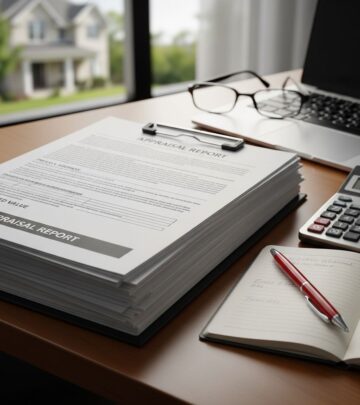
Once the appraiser completes their inspection and analysis, they prepare a detailed appraisal report with their estimate of the home’s current market value. This report is delivered to your mortgage lender, who reviews it along with all other loan details.
The lender considers the appraised value as the home’s official value for purposes of the loan. The sale price might align perfectly with the appraised value, exceed it, or fall below it. If the appraisal comes in lower than the purchase price, the buyer must make up the difference with additional funds, which can impact the deal’s viability. Generally, lenders won’t approve a mortgage for more than 80 percent of the property’s appraised value.
Appraisal vs. Home Inspection
Many homebuyers confuse appraisals with home inspections, though they serve different purposes. An appraisal determines the home’s market value and is typically required by lenders. A home inspection, while not always mandatory, identifies potential problems and defects with the property’s condition, systems, and structure.
Home inspections generally cost about $300 to $400—similar to appraisals—and are paid by the buyer. However, inspections are not required by lenders and are often ordered independently by buyers who want a detailed assessment of the property’s condition before purchase.
Methods for Calculating Home Value
Appraisers use several approaches to determine property values. The most common method is the comparable sales approach, which compares the subject property to recently sold similar properties in the area. However, appraisers may also use alternative methods:
Cost Approach: This method, often used for unique properties with few comparable sales, calculates the replacement cost of the home by considering the lot value and construction costs, then adjusting for depreciation.
Income Capitalization Approach: This lesser-used method is typically reserved for rental or income-producing properties and bases valuation on potential income generation.
Frequently Asked Questions
Q: What’s the average home appraisal cost in 2025?
A: The average cost is $357, with a typical range of $314 to $423. Costs vary based on location, property size, condition, and other factors.
Q: Who pays for the home appraisal?
A: In financed purchases, the buyer typically pays the appraisal fee as part of closing costs. For refinances, the homeowner pays. For independent appraisals sought by sellers, the seller pays.
Q: Are home appraisals always required?
A: Yes, with rare exceptions. Mortgage lenders require independent appraisals for both home purchases and refinances to verify the property is worth at least the loan amount.
Q: What if the appraisal comes in lower than the purchase price?
A: If the appraised value is lower than the purchase price, the buyer must cover the difference with additional funds, renegotiate the price, or potentially walk away from the deal.
Q: How long does a home appraisal take?
A: The physical inspection typically takes a few hours, but the complete appraisal process, including report preparation, usually takes 7-10 business days.
Q: Can I request a second appraisal if I disagree with the results?
A: Yes, you can request a second opinion, especially if you believe the appraiser made factual errors or if you’re concerned about an unfavorable valuation.
Q: How do appraisals differ from home inspections?
A: Appraisals determine market value for lending purposes, while inspections assess the property’s condition and identify problems. Both typically cost $300-$500.
Conclusion
Home appraisals are essential components of the real estate transaction process, providing objective valuations that protect both lenders and buyers. While the average appraisal cost of $357 might seem manageable, it’s important to understand that numerous factors can influence the final price. By understanding what affects appraisal costs and knowing who typically pays for them, you can better prepare for this necessary expense when buying, selling, or refinancing a home. Whether you’re a first-time homebuyer or an experienced investor, budgeting for appraisal fees as part of your closing costs ensures a smoother transaction process.
References
- How Much Does A Home Appraisal Cost? — Bankrate. 2025. https://www.bankrate.com/real-estate/how-much-does-an-appraisal-cost/
- Complete Costs Of Buying A Home In Today’s Market — Bankrate. 2025. https://www.bankrate.com/real-estate/costs-of-buying-a-home/
- Home Valuation: How Much Is Your Home Really Worth? — Bankrate. 2025. https://www.bankrate.com/real-estate/home-valuation/
- What is a home appraisal? Everything you need to know — Bankrate. 2025. https://www.bankrate.com/real-estate/home-appraisals/
- Home appraisal vs. home inspection: What’s the difference? — Bankrate. 2025. https://www.bankrate.com/real-estate/home-appraisal-vs-inspection/
- Fair Market Value Of A Home, And How It’s Calculated — Bankrate. 2025. https://www.bankrate.com/real-estate/fair-market-value/
Similar Articles








Read full bio of medha deb