Home Addition Costs: Complete 2025 Pricing Guide
Understand home addition costs, pricing factors, and financing options for your 2025 project.
How Much Do Home Additions Cost?
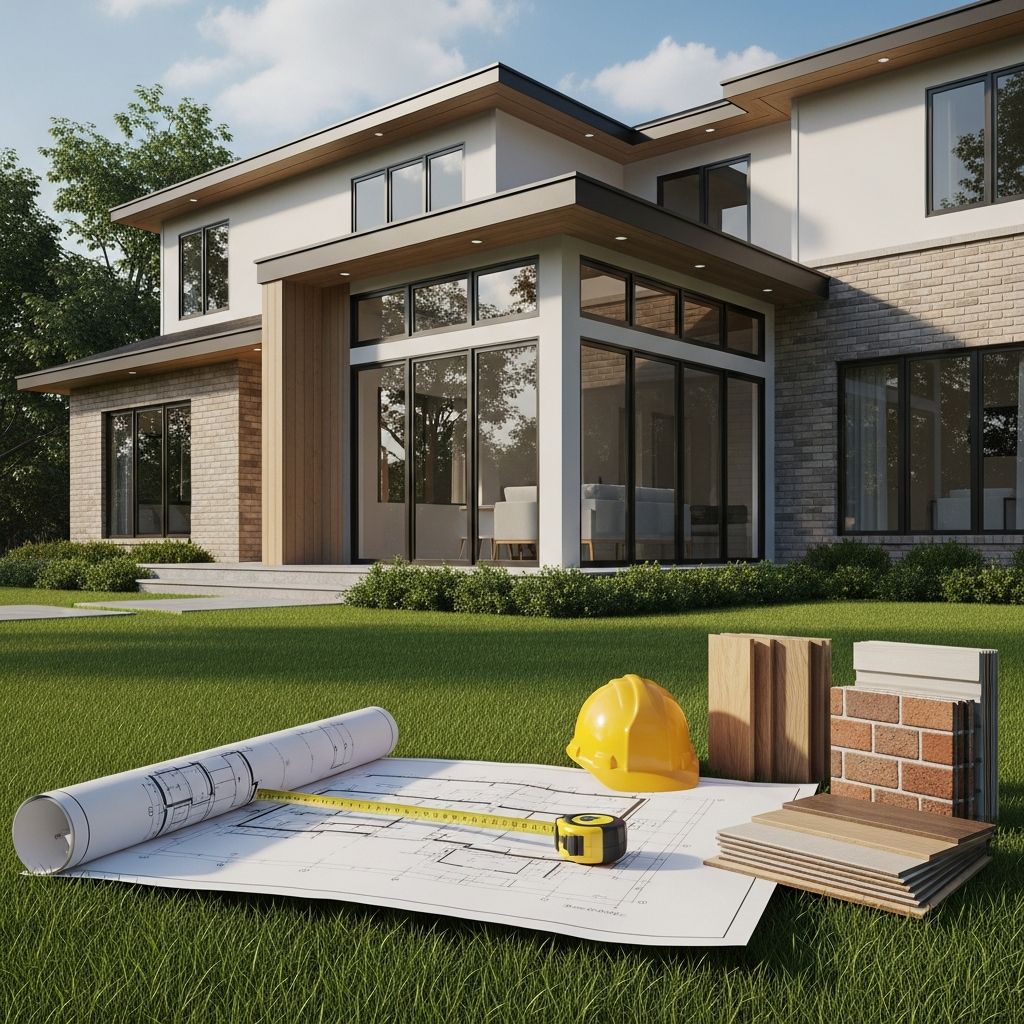
Planning a home addition requires understanding the financial investment involved. Recent data from industry experts shows that home additions typically cost between $21,936 and $88,339, with the average home addition costing around $51,042. However, the actual expense can vary significantly, ranging anywhere from $5,000 to $150,000 depending on the type and size of the addition, the materials used, labor costs, and your geographic location.
The primary factors that determine whether your project falls on the lower or higher end of this spectrum include the complexity of the work, the quality of materials selected, regional labor rates, and any unforeseen complications that may arise during construction. To set a realistic budget, it’s essential to talk to at least three contractors and get different estimates with a detailed breakdown of labor, materials, and other costs. This practice will help you establish a budget you can confidently stick to throughout your project.
Online calculators can offer a rough initial estimate, but you’ll need a professional builder’s estimate to get an accurate picture of costs. Additionally, experts recommend setting aside 10 to 20 percent of your renovation budget as a contingency fund for unforeseen expenses that commonly arise during construction projects.
What Affects the Cost of Home Additions?
Size and Extent of the Project
Home additions are typically priced per square foot, but calculating by size alone is unwise since different types of rooms have different cost structures. Basic additions like closets cost the least because they are easier and quicker to complete. However, once plumbing or electricity is involved, costs increase substantially, and they continue climbing with each additional detail, such as windows, doors, and walls.
Your choice to build upward or outward significantly impacts pricing. Building a second-story addition might require spending money to reinforce your foundation in certain areas. Conversely, building out from your existing home means taking on the extra cost of creating an entirely new foundation. Site preparation alone could add between $1,500 to $5,000 to your project costs. Depending on your property’s zoning requirements and local regulations, these two approaches may have different prices and regulatory hurdles.
Type of Room
Another way to calculate home addition costs is by the specific room type you’re adding. Different rooms require different levels of infrastructure and materials, which directly affects the final price. Here’s a breakdown of typical costs by room type:
| Room Type | Average Cost Range |
|---|---|
| Home Office | $2,000 to $22,000 |
| Bedroom | $20,000 to $80,000 |
| Primary Bedroom (includes bathroom) | $37,500 to $117,000 |
| Bathroom | $5,000 to $75,000 |
| Kitchen | $35,000 to $95,000 |
| Second Story | $100,000 to $250,000 |
Bedrooms tend to be among the more affordable additions, typically averaging between $80 to $200 per square foot. Bathrooms command higher costs, usually ranging from $250 to $500 per square foot due to the complexity of plumbing and high-end fixture installations. A primary bedroom addition typically costs between $25,000 and $65,000, while a new bathroom can easily exceed $30,000.
Depending on your location and the property you’re modifying, a second-story addition could cost twice as much as building out from your existing home. However, building out by adding a room at ground level still requires constructing a fresh foundation, which represents a significant expense. Plumbing and electrical work will further increase your costs regardless of which direction you expand.
Cost Per Square Foot Considerations
Understanding the per-square-foot pricing model helps you estimate project costs more accurately. The average price per square foot for a home addition is approximately $140, though this can vary considerably based on your location, the specific materials chosen, and the complexity of the project. This general range typically includes factors such as local permits, siding, general contractor and architect fees, framing, insulation, foundation work, roofing, flooring, electrical systems, interior finishes, and plumbing installation.
Material costs break down as follows: flooring ranges from $1 to $10 per square foot, insulation costs between $1.50 to $5.00 per square foot, drywall averages $2.50 per square foot, foundation work ranges from $4 to $100 per square foot depending on soil conditions and complexity, framing costs between $400 to $1,500 per 1,000 feet, and rough-in plumbing typically ranges from $400 to $1,800 for the entire system.
Financing Options for Home Additions
Personal Loans
Personal loans offer a straightforward financing option for homeowners looking to fund their additions. Different lenders provide various terms and conditions. Some personal loan providers offer low starting rates with generous autopay discounts of up to 0.50 percent, along with no origination fees and same-day funding availability. However, these loans may come with high minimum loan amounts. Other providers offer more accessible minimum loan amounts starting at just $1,000, making them suitable for smaller projects or as a supplement to your savings if you don’t want to finance the entire addition cost. These flexible options typically come with prequalification availability, though they may have higher maximum APRs and origination fees reaching up to 12 percent, which can slow down the funding timeline.
Home Equity Loans and HELOCs
If a personal loan isn’t the right fit for your situation, consider exploring home equity loans and home equity lines of credit (HELOCs). These financing products allow you to borrow up to 80 percent of your home’s equity, potentially giving you access to larger loans than traditional personal loans. This option is particularly valuable if you have significant equity built up in your home and need substantial financing for a major addition project.
Using Savings
Using savings to fund renovations and additions avoids the extra expense of interest charges and the accumulation of debt. This approach also encourages you to stick to a budget more effectively, as you’re limited to what you’ve already saved. However, this option may not be feasible for larger projects or if you don’t have sufficient liquid savings available.
Factors That Influence Home Addition Pricing
Building Materials and Quality
The materials you select have a profound impact on your total project cost. Higher-quality materials, premium finishes, and specialized fixtures will significantly increase expenses. High-end home additions that include custom architectural features can easily push costs well into the hundreds of thousands of dollars, even for moderate-sized projects.
Geographic Location
Your location dramatically affects home addition costs. Regional variations in labor rates, material availability, and local building codes all contribute to price differences. For example, home addition costs in high-cost areas like the Bay Area range from $425 to $650 per square foot, substantially higher than the national average. In the Bay Area specifically, adding a second story can cost between $90,000 and $200,000, with premium builds for a master suite reaching $425,000 to $550,000.
Zoning Requirements and Permits
Local zoning regulations and building codes significantly impact your project scope and costs. Some properties may face restrictions on building upward or outward, affecting your design options and expenses. Permit costs and compliance requirements vary by jurisdiction and must be factored into your budget.
Setting a Realistic Budget
Establishing a realistic budget begins with understanding the different costs that contractors will include in their estimates. Labor, materials, site preparation, permits, and HVAC installation are common line items that can add up quickly. Start by estimating costs based on the type of room and whether you’ll build out or build up. Be sure to factor in added expenses beyond the basic construction, as these can significantly impact your total investment.
Consulting with multiple contractors allows you to compare estimates and understand where price variations come from. Some contractors may offer better rates for specific aspects of the project while charging more for others. By obtaining three or more estimates, you gain insights into the typical market rates for your area and project type, enabling you to make informed decisions.
Frequently Asked Questions
Q: What is the average cost of a home addition?
A: The average home addition costs approximately $51,042, though costs typically range from $21,936 to $88,339. Your specific project cost depends on size, room type, materials, labor rates, and location.
Q: Which room additions are most affordable?
A: Home offices are among the most affordable additions, ranging from $2,000 to $22,000. Basic additions like closets cost less than rooms requiring plumbing or electrical work.
Q: How much does it cost to add a second story?
A: Adding a second story typically costs between $100,000 and $250,000 nationally. In high-cost areas like the Bay Area, second-story additions can range from $90,000 to $200,000 or more, depending on the scope and finishes.
Q: What should I include in my contingency fund?
A: Experts recommend setting aside 10 to 20 percent of your renovation budget as a contingency fund for unforeseen costs and complications that commonly arise during construction.
Q: How can I finance a home addition?
A: Financing options include personal loans, home equity loans, HELOCs, or using personal savings. Each option has different terms, interest rates, and borrowing limits to consider based on your financial situation.
Q: Why is building upward more expensive than building outward?
A: Building upward may require structural reinforcement to your existing foundation, while building outward requires constructing an entirely new foundation. Both options have significant costs, with regional differences affecting final pricing.
Q: How do I get an accurate cost estimate?
A: Consult with at least three professional contractors to obtain detailed estimates with breakdowns of labor, materials, permits, and other specific costs. Online calculators provide rough estimates, but professional builders’ estimates are essential for accuracy.
References
- How to Finance the Cost of a Home Addition: 2025 Estimates — Bankrate. 2025. https://www.bankrate.com/loans/home-improvement/home-addition-cost/
- 8 Easy Ways To Increase Your Home’s Value — Bankrate. 2025. https://www.bankrate.com/home-equity/ways-to-increase-your-homes-value/
- How Much Do Home Additions Cost in Bay Area? — Top Home Builders Inc. May 2025. https://tophomebuildersinc.com/how-much-do-home-additions-cost-in-bay-area/
- What’s The Difference Between A Home Renovation & A Remodel? — Bankrate. 2025. https://www.bankrate.com/loans/home-improvement/renovation-vs-remodel/
- Paying for Home Renovations: Financing Vs. Savings — Bankrate. 2025. https://www.bankrate.com/home-equity/best-way-to-pay-for-home-renovations/
- The Costs of Adding Rooms to Your House — GOBankingRates. 2025. https://www.gobankingrates.com/investing/real-estate/the-costs-of-adding-rooms-to-your-house/
Similar Articles








Read full bio of Sneha Tete