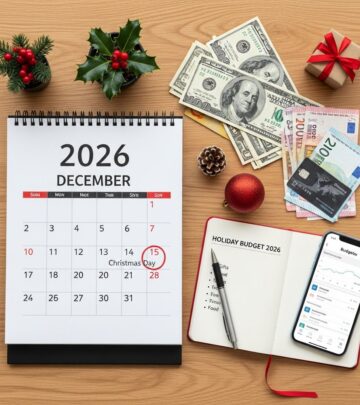
Holiday Shopping Mastery: A Complete Budgeting Guide For 2025
Master holiday shopping with proven strategies to budget wisely, snag deals, and enjoy stress-free celebrations without debt.

The holiday season brings joy, gatherings, and unfortunately, often a surge in spending. Americans frequently allocate hundreds of dollars to gifts alone, with averages reaching around $867 in recent years, leading to potential post-holiday financial strain. This guide equips you with actionable strategies to navigate the season confidently, focusing on budgeting, deal-hunting, and mindful purchasing to keep expenses in check while maximizing satisfaction.
Assessing Your Financial Foundation
Begin by gaining a clear snapshot of your current finances. Review bank balances, monthly income, fixed expenses like housing and utilities, and any existing debts. This step reveals your true spending capacity, preventing the shock of credit card bills in January.
Track recent statements to identify patterns in discretionary spending. Tools like online banking apps provide real-time insights, helping you allocate funds realistically. For instance, after covering essentials, designate a specific portion—say 5-10% of your income—for holiday outlays. This proactive review fosters control and sets a solid base for all subsequent decisions.
Building a Tailored Holiday Spending Plan
A structured budget transforms vague intentions into enforceable limits. Categorize expenses into key areas: gifts, travel, food/entertainment, decorations, and donations. Gifts often dominate, so prioritize them while leaving room for surprises.
Calculate totals conservatively. If past holidays cost $1,000, aim 20% lower to build a buffer against impulse buys. Divide the amount across months leading up to the season; for example, saving $125 monthly for an $800 goal starting in September eases the burden. Use automatic transfers to a dedicated savings account to automate the process, ensuring steady progress without reliance on willpower.
| Category | Estimated Cost | Savings Tip |
|---|---|---|
| Gifts | $500 | Set per-person limits |
| Travel | $200 | Book early for discounts |
| Food/Events | $150 | Potluck contributions |
| Decor/Attire | $100 | Reuse or thrift |
| Donations | $50 | Non-monetary options |
This table illustrates a sample $1,000 budget, adjustable to your needs. Regularly revisit and tweak as sales emerge or priorities shift.
Crafting Your Recipient Priority List
List every intended recipient: immediate family, extended relatives, colleagues, service providers like teachers or mail carriers. Assign a dollar cap per person based on relationship closeness and budget constraints—for example, $50 for close family, $20 for coworkers.
Refine by suggesting group exchanges like Secret Santa to consolidate spending. Thoughtful, low-cost alternatives amplify impact: personalized photo calendars for grandparents, handmade ornaments for neighbors, or consumables like spiced nuts for hosts. These foster sentiment over extravagance, often cherished more than store-bought items.
- Prioritize meaningful connections over obligatory gifts.
- Communicate limits early to align expectations.
- Explore experiential gifts like class vouchers for lasting value.
Hunting Deals with Precision
Deals abound, but timing and tools determine savings. Monitor promotions year-round rather than fixating on single-day events like Black Friday, where discounts often mirror ongoing sales. Start early to access pre-holiday clearances and avoid stock shortages or rush fees.
Leverage mobile apps for barcode scanning and price comparisons across retailers. These reveal mismatches instantly, enabling price-matching where policies allow. Sign up for newsletters from favored stores for exclusive alerts. For electronics, consider prior-year models at steep reductions, as new releases rarely justify premiums.
Securing Online Purchases
Online shopping offers convenience but demands vigilance. Verify site security via ‘https’ and padlock icons, eschewing suspicious links or pop-ups. Update devices and software to thwart threats.
Enable transaction alerts on cards for immediate notifications of charges, facilitating quick fraud detection. Opt for virtual card numbers or one-time codes where available. Research free shipping thresholds or dedicated deal days to minimize add-on costs, which can inflate totals significantly.
Maximizing Credit Rewards and Points
Rewards programs turn routine spending into holiday fuel. Accumulate points year-round, redeeming for gifts, statement credits, or travel during peak season. Select cards aligning with shopping habits—cash-back for groceries or points for department stores.
Pro tip: Time larger purchases during bonus categories for amplified returns. Pair with budgeting to offset costs without added debt; always pay balances fully to preserve gains. This approach effectively expands your budget without extra outlay.
Countering Impulse Triggers
Stores engineer environments—lighting, scents, music—to spur unplanned buys, termed the ‘shopping momentum effect.’ Combat by adhering strictly to your list and employing the 30-second rule: pause before non-list items to assess necessity.
Shop solo when possible to avoid peer pressure. Set app-based spending trackers with alerts at 80% budget thresholds. Exit stores briefly if tempted, breaking the cycle. These habits preserve discipline amid festivities.
Creative Cost-Cutting Innovations
DIY shines for budget creativity. Bulk-buy supplies for custom candles, knit scarves, or baked treats, slashing costs while personalizing. Thrift stores and resale platforms yield decor or attire at fractions of retail, especially for children’s items.
Side hustles like gig work provide supplemental funds dedicated solely to holidays. Negotiate family spending pacts upfront, emphasizing experiences like shared outings over material hauls.
Post-Holiday Financial Tune-Up
January demands reflection. Review actual versus planned spending to refine future budgets. Pay down any balances aggressively, using windfalls like tax refunds. Implement sinking funds—monthly allocations for predictable big expenses like holidays—to preempt repeats.
Automate savings anew, targeting 3-6 months’ emergencies first. This cycle builds resilience, turning holiday lessons into year-long fiscal strength.
Frequently Asked Questions
How much should I budget for holiday gifts?
Aim for 1-2% of annual income total, or $50-100 per close recipient, adjusted for household size.
Are Black Friday deals worth the hype?
Often comparable to regular sales; prioritize consistent monitoring over crowds.
What’s the best way to save on shipping?
Meet free thresholds, use coupons, or select in-store pickup.
Can rewards cover my entire list?
Possibly for portions; accumulate strategically but avoid debt.
How do I discuss budget limits with family?
Frame positively around experiences and draw names for equity.
References
- 8 Steps to Help You Budget for a Stress-Free Holiday Shopping Season — Finger Lakes Federal Credit Union. 2025-11-28. https://www.flfcu.org/more/community/flfcu-blog/blog/2025/11/28/8-steps-to-help-you-budget-for-a-stress-free-holiday-shopping-season
- 10 Holiday Shopping & Budgeting Tips to Avoid Overspending — Better Money Habits, Bank of America. 2022. https://bettermoneyhabits.bankofamerica.com/en/saving-budgeting/holiday-shopping-tips
- Tips for Saving on Holiday Shopping This Year — Royal Neighbors. N/A. https://www.royalneighbors.org/news/holiday-shopping/
- How to Build a Holiday Budget That Works Every Year — NerdWallet. N/A. https://www.nerdwallet.com/finance/learn/how-to-build-a-holiday-budget-that-works-every-year
- 7 Holiday Shopping Tips to Help You Tackle Your List — Citizens Bank. N/A. https://www.citizensbank.com/learning/smart-holiday-shopping-tips.aspx
- 2026 Budget Reset: Fix Holiday Overspending Fast — Wealth Keel. 2026. https://wealthkeel.com/blog/budget-reset-challenge/
- Big Expenses Ruining Your Budget? Try a Sinking Fund — CPA Practice Advisor. 2026-02-05. https://www.cpapracticeadvisor.com/2026/02/05/big-expenses-ruining-your-budget-try-a-sinking-fund/177592/
Similar Articles








Read full bio of medha deb