Holiday Shoppers Risk Identity Theft for Deals
Survey reveals consumers willing to gamble personal data for online bargains amid rising cyber threats.
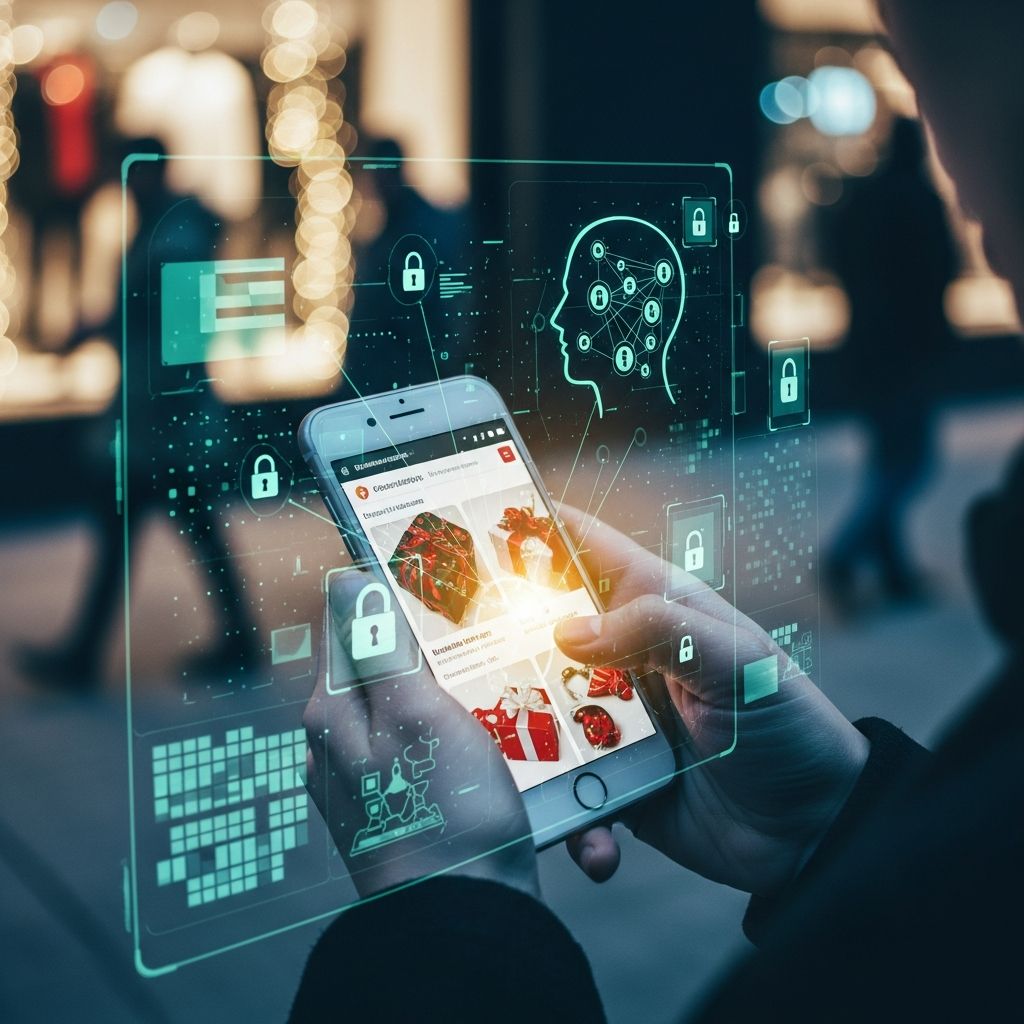
During peak shopping seasons, the allure of steep discounts often leads consumers to overlook cybersecurity red flags, heightening vulnerability to identity theft and fraud. Recent surveys indicate a troubling trend where bargain-hunting trumps caution, with many willing to share sensitive information on unverified sites.
The Surge in Online Shopping Vulnerabilities
Holiday periods see a massive uptick in digital transactions, creating fertile ground for cybercriminals. With 83% of shoppers planning online purchases, the rush for deals amplifies risks from phishing, fake stores, and data breaches. Fraudsters exploit this frenzy by mimicking legitimate retailers, promising exclusive offers that harvest personal details like credit card numbers and addresses.
High email volumes and social media ads blur lines between genuine promotions and scams. Cyber threats spike due to distracted users clicking suspicious links under time pressure. Identity theft, where criminals misuse stolen data, thrives in this environment as transaction volumes overwhelm fraud detection systems.
Consumer Attitudes Toward Risky Behavior
Survey data reveals a segment of shoppers knowingly engages in high-risk practices for savings. A notable portion admits to using unsecured networks or entering data on dubious sites if the price is right. This mindset stems from deal urgency, where perceived savings outweigh long-term consequences like financial loss or credit damage.
Behavioral patterns include bypassing multi-factor authentication (MFA) or reusing passwords across sites, exponentially raising breach impacts. Younger demographics, often more deal-savvy, show higher tolerance for these risks, prioritizing immediate gratification over robust security.
Key Statistics on Risk Tolerance
- Over 80% plan online holiday buys, unaware or unconcerned about elevated scam rates.
- Fraud reports show median losses around $130 per incident, accumulating significantly.
- Payment fraud, including Buy Now Pay Later (BNPL) schemes, surges seasonally.
Common Holiday Fraud Tactics Exposed
Cybercriminals deploy sophisticated lures tailored to festive excitement. Phishing emails and smishing texts pose as order updates or deal alerts, directing users to credential-stealing pages. Fake stores replicate trusted brands with grainy images and missing contact details.
Friendly fraud, where buyers dispute legitimate charges post-purchase, burdens retailers alongside outright theft. BNPL abuse involves fake IDs and mismatched addresses, evading initial checks. Social media amplifies threats via bot-driven resales and phony ads leading to malware-laden sites.
| Fraud Type | Description | Red Flags |
|---|---|---|
| Phishing/Smishing | Fake messages mimicking brands | Urgent language, suspicious links |
| Fake Stores | Cloned retailer sites | Poor images, no physical address |
| Identity Theft | Stolen data misuse | Unusual account activity |
| BNPL Fraud | Abuse of deferred payments | Multiple accounts, odd addresses |
Why Shoppers Ignore Warning Signs
Psychological factors drive risky choices. FOMO (fear of missing out) on limited-time offers prompts hasty decisions. Cognitive overload from endless promotions dulls scrutiny, making ‘too good to be true’ deals seem plausible. Economic pressures further erode caution, as savings feel essential amid inflation.
Many underestimate personal risk, assuming ‘it won’t happen to me.’ This optimism bias persists despite FTC reports of rampant scams, including pet-sale frauds piling on fake fees. Reused credentials across platforms compound issues, turning one breach into widespread access.
Proven Strategies to Safeguard Your Data
Empower yourself with proactive defenses to enjoy deals without compromise. Start by verifying sites: reverse-image search product photos and scrutinize reviews with scam keywords.
- Opt for Credit Cards: Superior dispute rights over debit, wires, or apps like Zelle.
- Enable MFA Everywhere: Adds verification layers beyond passwords.
- Use Unique Passwords: Managed via tools; avoid reuse.
- Monitor Accounts Closely: Review statements frequently, save confirmations.
For retailers, behavioral biometrics like swipe patterns detect anomalies, while vetting BNPL applicants flags fakes. Consumers should shun sites demanding crypto or gift cards—clear scam indicators.
Device and Network Best Practices
Update software promptly to patch vulnerabilities. Avoid public Wi-Fi for transactions; use VPNs if necessary. On mobile, long-press images to check authenticity. Report suspicious messages to providers.
Long-Term Impacts of Identity Compromise
Beyond immediate losses, identity theft erodes credit scores, invites tax fraud, and demands hours resolving issues. Victims face denied loans or employment hurdles from tainted records. Proactive monitoring via credit freezes mitigates damage, but prevention remains ideal.
Holiday breaches often lead to year-round harassment, as stolen data fuels dark web sales. Early detection through alerts and freezes is crucial.
FAQs: Holiday Shopping Security Essentials
What payment method is safest for online buys?
Credit cards offer the best fraud protection and easy disputes. Avoid irreversible options like wires or crypto.
How do I spot a fake shopping site?
Check for HTTPS, physical addresses, and clear policies. Search site reviews with ‘scam’ terms; reverse-image products.
Is BNPL safe during holidays?
Possible with caution—watch for ID mismatches and high volumes. Legit providers vet thoroughly.
Why enable MFA?
It blocks access even if passwords leak, requiring secondary verification like phone codes.
What if I suspect fraud?
Contact your bank immediately, dispute charges, and report to FTC. Monitor credit reports.
Building a Scam-Resistant Shopping Routine
Incorporate habits like price comparisons across trusted sites and skepticism toward pressure tactics. Use browser extensions for deal verification and password management. Educate family on risks, especially for social media buys.
Retailers contribute by enhancing anomaly detection and customer education. Collective vigilance curbs seasonal fraud spikes, preserving holiday joy.
References
- How retailers can prepare for holiday fraud and scams — Celebrus. 2023. https://www.celebrus.com/blogs/prevent-holiday-fraud-scams
- The Holiday Guide to Safer Online Shopping — CPAI. 2023. https://www.cpai.com/Education-Resources/Me-My-Family/Identity-Theft-tips/The-Holiday-Guide-to-Safer-Online-Shopping
- Holiday Deals, Not Holiday Steals – Global Cyber Alliance — Global Cyber Alliance. 2024-11. https://globalcyberalliance.org/a-guide-to-secure-online-holiday-shopping/
- Holiday Shopping Security: Tips for Safe Transactions — FNBO. 2025. https://www.fnbo.com/insights/fraud-and-security-tips/2025/holiday-shopping-security-tips
- Safe Online Holiday Shopping — National Cybersecurity Alliance. 2023. https://www.staysafeonline.org/articles/safe-online-holiday-shopping
- How to avoid an online shopping scam this holiday season — FTC. 2025-11. https://consumer.ftc.gov/consumer-alerts/2025/11/how-avoid-online-shopping-scam-holiday-season
Similar Articles








Read full bio of medha deb