Holiday Identity Protection Guide: Expert Tips For 2025
Essential strategies to shield your personal data from thieves during peak shopping frenzy and festive gatherings.
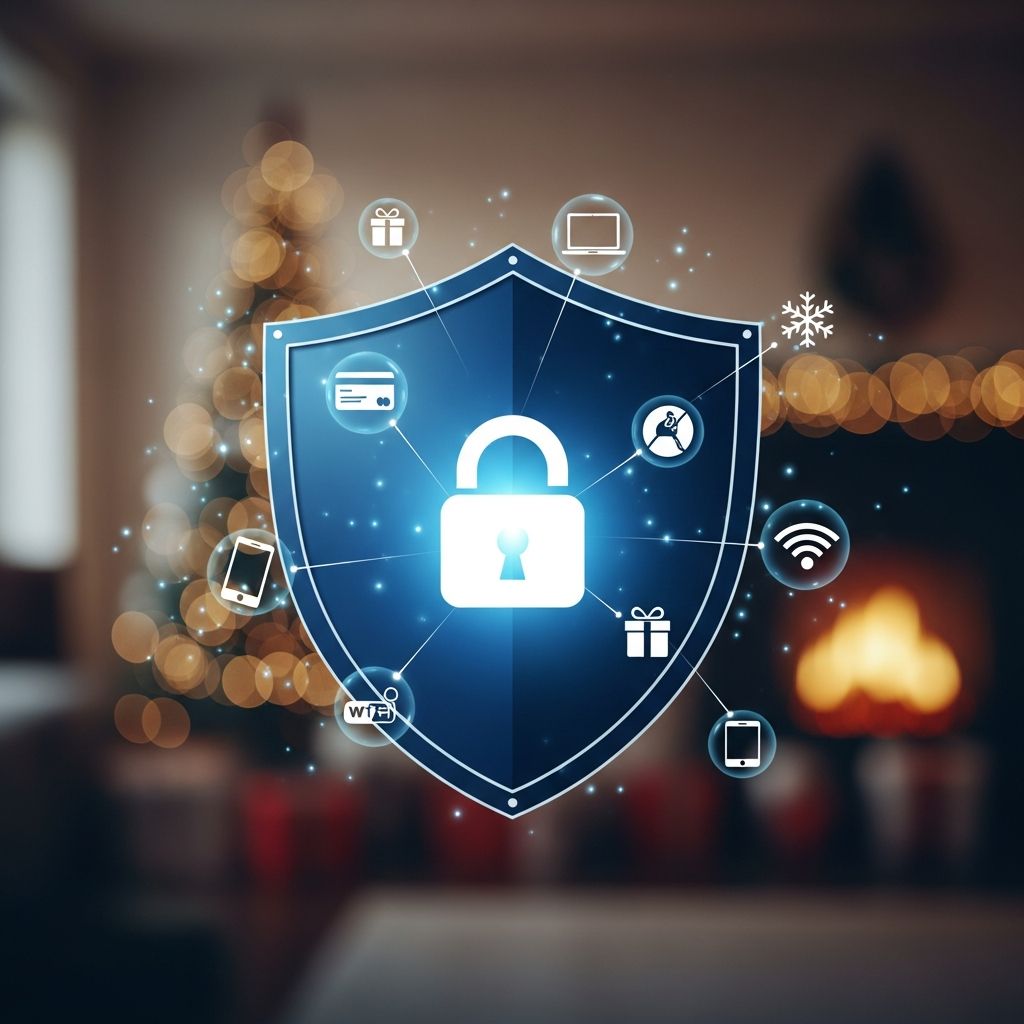
The holiday period transforms into a hotspot for identity thieves due to heightened online activity, crowded public spaces, and rushed consumer behavior. Criminals exploit these conditions to steal sensitive data through phishing, skimming, and physical theft. Implementing proactive defenses can significantly reduce these risks, ensuring a secure celebration.
Understanding Seasonal Vulnerabilities
Holiday shopping spikes create opportunities for fraudsters. Increased e-commerce transactions, package deliveries, and social gatherings amplify exposure. According to financial authorities, scam reports surge during this time, with losses tied to stolen credentials and unauthorized charges.
Key threats include unsecured networks in public areas, fake retail sites, and impersonation tactics via calls or messages. Awareness of these patterns forms the foundation for effective protection.
Secure Your Online Shopping Habits
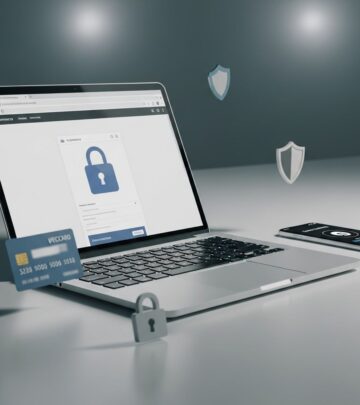
Online purchases dominate holiday spending, but they invite cyber risks. Prioritize platforms with encryption by verifying “https://” and a padlock icon in the browser. Avoid deals from unsolicited emails or ads, as they often lead to phishing traps.
- Research retailers via trusted review sites before buying.
- Limit personal details shared during checkout.
- Opt for guest checkout to bypass account creation.
Employ virtual private networks (VPNs) for added encryption on any network. This masks your data from interceptors, a recommendation from cybersecurity guidelines.
Choose Payment Methods Wisely
Credit cards offer superior safeguards compared to debit options. Federal regulations limit liability for unauthorized charges to $50, often $0 with issuers providing zero-liability policies. Debit fraud deducts funds immediately from your account.
| Payment Type | Pros | Cons | Best For |
|---|---|---|---|
| Credit Card | Strong fraud protection; disputes pause payments | Temporary credit limit impact | Online & high-value buys |
| Debit Card | Direct spending control | Immediate fund loss | Low-risk, small purchases |
| Digital Wallets | Tokenization hides card details | Device dependency | Contactless in-store |
Digital wallets like Apple Pay or Google Pay generate one-time tokens, preventing card number exposure even if intercepted.
Fortify Device and Account Security
Strong, unique passwords across accounts thwart breaches. Password managers automate this, generating complex strings and autofilling logins. Enable multifactor authentication (MFA), requiring a second verification like a code sent to your phone.
Update software regularly to patch vulnerabilities. On mobile devices, enable biometric locks and remote wipe features. Avoid public Wi-Fi for transactions; switch to cellular data instead.
Combat Phishing and Impersonation Scams
Scammers pose as retailers, carriers, or banks via texts, emails, or calls demanding urgent action. Common ploys include fake delivery notifications with malicious links or requests for gift card payments.
- Never click unsolicited links; navigate directly to official sites.
- Verify caller identity by hanging up and redialing known numbers.
- Ignore demands for sensitive info like SSNs or codes.
Government advisories stress direct contact with institutions using verified channels.
Prevent Physical and Skimming Theft
In stores, crowds enable “ghost tapping” via NFC readers stealing contactless data from phones or cards. Shield devices in pockets and disable NFC when unused. Check ATMs and gas pumps for skimmers—tamper-evident overlays hiding card readers.
Carry minimal cards: one credit, ID, and debit. Store extras in secure locations like fireproof safes. Shred documents with personal data; opt for digital receipts.
Monitor Finances and Credit Vigilantly
Daily account reviews catch anomalies early. Set alerts for transactions, balances, and unusual activity via banking apps. Free weekly credit reports from AnnualCreditReport.com allow tracking from Equifax, Experian, and TransUnion.
Freeze credit files at bureaus to block new accounts in your name—a free, reversible step. Place fraud alerts for added scrutiny on applications.
Handle Mail and Deliveries Securely
Porch piracy and mail theft peak with gift shipments. Use informed delivery services, hold mail during travel, or redirect to secure lockers. Trusted contacts can collect packages.
For travel, notify banks of plans to avoid flagged charges. Enable real-time alerts for peace of mind.
Advanced Protection Tools and Services
Banks offer card controls: lock/unlock features, travel notifications, and spending limits. Identity protection services provide dark web scans, resolution support, and insurance.
Consider comprehensive credit monitoring for ongoing surveillance. Combine with personal vigilance for layered defense.
Frequently Asked Questions
What should I do if I suspect identity theft?
Contact affected institutions immediately, place a fraud alert or credit freeze, file a report with FTC at IdentityTheft.gov, and monitor all accounts closely.
Is public Wi-Fi safe for checking bank apps?
No; use VPN or cellular data to encrypt traffic and avoid data interception.
How often should I check my credit during holidays?
Weekly via free reports, plus daily transaction alerts for real-time oversight.
Do digital wallets fully protect against fraud?
They tokenize data, reducing exposure, but pair with MFA and monitoring.
What’s the fastest way to stop new fraudulent accounts?
Freeze credit at all three bureaus instantly via phone or online.
Long-Term Habits for Year-Round Security
Beyond holidays, maintain habits like annual credit freezes, password rotations, and scam education. Teach family members recognition of threats. These steps minimize risks perpetually.
By integrating these practices, you transform vulnerability into resilience, focusing on joy rather than worry.
References
- Protect Yourself from Identity Theft This Holiday Season — Space Coast Credit Union. 2023. https://www.sccu.com/articles/fraud-prevention/protect-yourself-from-identity-theft-this-holiday
- Protecting Yourself From Holiday Identity Theft — Fortera Credit Union. 2023. https://forteracu.com/blog/protecting-yourself-from-holiday-identity-theft
- 7 Tips to Avoid Holiday Scams and Protect Your Identity in 2025 — Experian. 2025. https://www.experian.com/blogs/ask-experian/how-to-protect-your-identity-during-the-holiday-season/
- Holiday Shopping Tips to Help Protect Yourself — Equifax. 2024. https://www.equifax.com/personal/education/credit/report/articles/-/learn/tips-protect-credit-history-during-holidays/
- Seasonal Security – Protecting Yourself from Holiday Scams and Fraud — U.S. Department of the Treasury. 2024-12. https://home.treasury.gov/system/files/136/2024-CYBER-CRIME-Advisory-Report.pdf
- Stay Safe This Holiday Season: Tips to Prevent Holiday Fraud — Fidelity Bank. 2024. https://www.bankwithfidelity.com/resources/education/fraud-cybersecurity-awareness/detail.html?title=stay-safe-this-holiday-season-tips-to-prevent-holiday-fraud
Similar Articles








Read full bio of Sneha Tete