Holiday Business Loans: Smart Seasonal Financing
Learn how to choose, use, and manage holiday business loans to handle seasonal demand without derailing your long-term finances.

Holiday Business Loans: A Complete Guide for Seasonal Financing
The holiday season can be the most profitable time of year for many small businesses, but it can also be the most cash-intensive. Between stocking extra inventory, hiring temporary staff, and increasing marketing, many owners turn to holiday business loans and other short-term financing to bridge their seasonal cash flow gap.
This guide explains how holiday business loans work, the main types of financing you can use, how to qualify, and how to decide whether seasonal borrowing is the right move for your business.
What Is a Holiday Business Loan?
A holiday business loan is not usually a special, separate loan product. Instead, it refers to any type of business financing used specifically to cover holiday-related costs, such as:
- Extra inventory for peak shopping periods
- Seasonal staff wages and overtime
- Holiday marketing campaigns and promotions
- Higher utility and operating costs due to longer hours
- Temporary equipment or point-of-sale upgrades
Most lenders simply offer standard business loans, lines of credit, or other financing products that can be used for holiday purposes, as long as the funds are for legitimate business needs.
Why Businesses Need Extra Funding for the Holidays
The holiday rush creates both opportunity and risk. Even healthy businesses can experience a mismatch between when they must spend money and when they receive it.
Common Holiday Cash Flow Challenges
- Inventory buildup: Retailers and e-commerce sellers often need to order stock weeks or months before sales occur, tying up cash.
- Staffing spikes: Hospitality, retail, and logistics businesses may need to hire temporary employees or pay overtime.
- Marketing costs: Holiday advertising is more competitive and can be significantly more expensive during peak periods.
- Delayed payments: B2B companies may extend credit to customers while still needing to pay their own suppliers promptly.
Short-term financing is often used to smooth these seasonal swings in cash flow and to ensure the business can fully capture peak-season demand.
Types of Holiday Business Financing
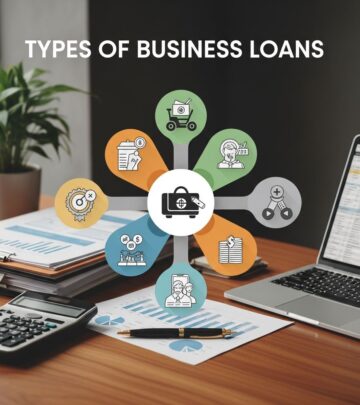
There is no single “best” holiday business loan. The right choice depends on how quickly you need funds, how predictable your revenue is, and how soon you can repay the debt. Below are the most common options used for holiday or seasonal needs.
1. Business Line of Credit
A business line of credit is one of the most flexible tools for holiday financing. The lender approves you for a maximum amount, and you draw only what you need, when you need it.
- You pay interest only on the amount you borrow, not on the full limit.
- Many lines of credit are revolving, meaning that as you repay, those funds become available to borrow again.
- Funds can be used for inventory, payroll, marketing, or other working capital needs.
Lines of credit are often used for recurring seasonal cycles because you do not need to reapply each year as long as your account remains in good standing.
2. Short-Term Business Loans
Short-term business loans provide a lump sum that you repay over a relatively brief period, often in 3–18 months.
- Useful when you know the exact expense, such as a large inventory purchase.
- Repayments can be daily, weekly, or monthly, depending on the lender.
- Interest rates may be higher than long-term loans but total interest paid can be lower due to the short term.
Short-term loans are frequently used for time-limited opportunities, such as holiday demand spikes, because they are designed to be paid off quickly once the busy season ends.
3. Term Loans
A term loan offers a fixed lump sum repaid over a set schedule—months or years—with a fixed or variable interest rate.
- Better suited for larger, longer-lived investments like equipment or store renovations.
- May be unnecessary for one-off seasonal needs, but can make sense if holiday demand justifies a permanent upgrade.
- Often available from banks, credit unions, and online lenders, with eligibility usually based on credit history, time in business, and revenue.
4. SBA 7(a) Loans and Seasonal Financing
Some businesses use SBA-backed loans to finance working capital and seasonal needs. Under the U.S. Small Business Administration’s 7(a) program, lenders can provide term loans and, in some cases, revolving lines of credit for working capital.
- Standard 7(a) and 7(a) Small loans can be used for working capital and inventory.
- Certain 7(a) subprograms, such as SBA Express and CAPLines, allow revolving lines of credit with terms up to several years.
- The SBA guarantees a portion of the loan, making it less risky for lenders, which can help qualified borrowers obtain more favorable terms.
SBA loans typically offer competitive interest rates but may require more documentation and longer approval times than some online alternatives.
5. Merchant Cash Advances
A merchant cash advance (MCA) provides an advance against your future credit and debit card sales.
- Repayment is often taken as a percentage of your daily card receipts.
- Approvals can be fast and eligibility standards are often more flexible than traditional loans.
- However, MCAs can carry very high effective costs—often far higher than many other forms of financing.
MCAs may be considered only when other, more affordable options are not available, and the business is confident in significantly higher holiday sales.
6. Business Credit Cards
Business credit cards can also help cover smaller holiday expenses, especially for marketing, travel, or miscellaneous operational costs.
- Convenient for frequent smaller purchases.
- Rewards or cash back can provide a small cost offset.
- Interest rates on carried balances are typically high, so they are best used if you can repay quickly.
7. Invoice Financing and Other Options
Businesses that invoice customers on terms can use invoice financing to accelerate cash flow. A lender advances a percentage of the invoice value while waiting for your customer to pay.
- Useful for B2B companies that extend longer payment terms during the holidays.
- Can reduce the risk of cash shortages while still offering favorable terms to key customers.
Other options for holiday funding may include secured business lines of credit or equipment loans when specific assets are being financed.
Short-Term vs Long-Term Loans for Holiday Needs
Choosing between short-term and long-term financing depends on how long you expect to benefit from the funds and how quickly you can repay the debt.
| Feature | Short-Term Loan | Long-Term Loan |
|---|---|---|
| Typical Term Length | Up to about 12–18 months | Several years or more |
| Best For | Seasonal needs, temporary cash flow gaps, inventory | Major investments (expansion, equipment, real estate) |
| Payment Frequency | Often weekly or even daily | Usually monthly |
| Interest Rate | Generally higher on a nominal basis | Generally lower, but total interest can be higher over time |
| Holiday Use Case | Common choice for holiday-specific expenses | May be used if holidays justify a long-term investment |
How to Qualify for Holiday Business Loans
While every lender has its own underwriting criteria, most will look closely at your business’s financial health and ability to repay.
Typical Eligibility Factors
- Time in business: Many lenders require at least 6–12 months of operations; banks and SBA lenders often prefer several years in business.
- Revenue and cash flow: Lenders review bank statements, financial statements, and tax returns to assess your ability to service the debt.
- Credit profile: Both business and personal credit scores may be considered, especially with traditional banks and SBA-guaranteed loans.
- Collateral (for certain loans): Some loans, including many bank loans and some SBA loans above certain thresholds, may require collateral according to lender policy.
Documents Often Requested
Lenders commonly ask for:
- 3–6 months of business bank statements
- Profit and loss (P&L) statements and balance sheets
- Cash flow projections showing how funds will be used and repaid
- Business tax returns for the previous one to two years
- Personal financial information if you are personally guaranteeing the loan
Planning Ahead: Getting Funding-Ready Before the Holidays
Applying at the last minute can limit your options or force you into more expensive financing. A proactive approach can help you secure better terms and the right product for your needs.
Steps to Prepare Before Peak Season
- Strengthen your credit profile: Pay down existing debts where possible and correct any errors on your credit reports to improve eligibility and potential rates.
- Analyze historical sales: Review prior holiday seasons to estimate realistic demand and avoid over-borrowing or under-ordering.
- Build detailed cash flow projections: Map out when you expect to spend funds and when sales are likely to arrive, including best- and worst-case scenarios.
- Research financing options early: Compare lenders and products, and use prequalification tools where available to gauge your borrowing range without impacting your credit in many cases.
- Write a simple funding plan: Document how much you plan to borrow, how you will use it, and how it is expected to generate revenue or savings.
Pros and Cons of Holiday Business Loans
Like any debt, holiday financing has advantages and drawbacks. Evaluating both sides can help you make a more informed decision.
Benefits
- Capture seasonal demand: Ensures you have enough inventory and staff to meet peak customer demand and avoid stockouts or service delays.
- Smooth cash flow: Helps cover expenses occurring before revenue is collected, especially when suppliers need to be paid up front.
- Preserve working capital: Keeps your cash reserves available for emergencies, while financing specific short-term needs.
- Build business credit: Responsible borrowing and timely repayment can help establish or improve your business credit profile over time.
Risks
- High costs for some products: Merchant cash advances and certain short-term loans can have high effective APRs if not carefully evaluated.
- Repayment pressure: Daily or weekly payments can be difficult during slower months if sales do not match expectations.
- Overestimating holiday demand: If sales fall short, you may be left with excess inventory and a loan to repay.
- Impact on long-term plans: Taking on too much short-term debt can limit your ability to qualify for larger, strategic financing in the future.
Best Practices for Using Holiday Business Loans Responsibly
To make sure seasonal borrowing helps rather than hurts your business, focus on disciplined planning and conservative assumptions.
- Borrow only what you need: Base your loan amount on realistic projections of sales and expenses, not optimistic best-case scenarios.
- Match loan term to use: Use short-term loans and lines of credit for short-lived needs, and reserve long-term loans for investments with longer payback periods.
- Build payments into your budget: Treat loan repayment as a fixed cost in your cash flow forecasts and monthly budget.
- Compare total costs, not just rates: Consider fees, repayment frequency, and potential penalties, not just the headline interest rate.
- Monitor performance: Track how borrowed funds affect sales and profitability, and adjust next year’s strategy accordingly.
Frequently Asked Questions (FAQs)
Q: When should I apply for a holiday business loan?
A: It is generally better to apply several weeks or months before the holiday season starts. This gives you time to compare lenders, secure approval, and receive funds in time to order inventory and arrange staffing. Applying early may also expand your options compared with last-minute, high-cost products.
Q: What is the best type of loan for holiday expenses?
A: Many businesses use a revolving business line of credit or a short-term loan for holiday needs, because these products are designed for temporary cash flow gaps and can be repaid quickly after the season. The best option depends on your credit profile, revenue stability, and whether your costs are one-time or recurring.
Q: Can I use an SBA 7(a) loan for seasonal working capital?
A: Yes, SBA 7(a) loans can be used for working capital, including seasonal expenses such as inventory and operational costs, provided the funds are used for eligible business purposes. Some 7(a) subprograms and CAPLines also allow revolving lines of credit that can help with recurring seasonal needs.
Q: Is a merchant cash advance a good way to handle holiday spikes?
A: Merchant cash advances can provide very fast funding and have flexible eligibility criteria, but they often carry high effective costs. They may be considered when other financing options are unavailable and the business is highly confident of strong holiday card sales, but they should be evaluated with caution.
Q: How can I reduce the risk of borrowing for the holidays?
A: Use conservative sales forecasts, limit borrowing to clearly defined needs, match the financing term to the life of the expense, and maintain a buffer of working capital. Building detailed cash flow projections and comparing multiple financing offers can also help reduce risk.
References
- How to finance a small business for the holidays — Bankrate. 2023-11-13. https://www.bankrate.com/loans/small-business/finance-small-business-for-holidays/
- When a short-term business loan is the right choice — Biz2Credit. 2023-06-01. https://www.biz2credit.com/term-loan/short-term-business-loan
- Types of 7(a) loans — U.S. Small Business Administration (SBA). 2023-10-01. https://www.sba.gov/partners/lenders/7a-loan-program/types-7a-loans
- Short-Term Business Loans — American Express. 2023-09-15. https://www.americanexpress.com/en-us/business/blueprint/short-term-business-loans/
- Best Business Loans for Seasonal Cash Flow — Academy Bank. 2022-12-05. https://www.academybank.com/article/best-business-loans-for-seasonal-cash-flow
- Get Funding-Ready Before the Holidays: a 4-Week Checklist — Nav. 2023-10-20. https://www.nav.com/blog/get-funding-ready-before-the-holidays-checklist/
- Short-Term vs. Long-Term Business Loans — Five Star Bank. 2022-08-10. https://www.five-starbank.com/resources/short-term-vs-long-term-business-loans
Similar Articles








Read full bio of medha deb