Hit an Object in the Road? What Your Insurance Covers
Understanding your car insurance coverage when you hit debris or objects on the road.
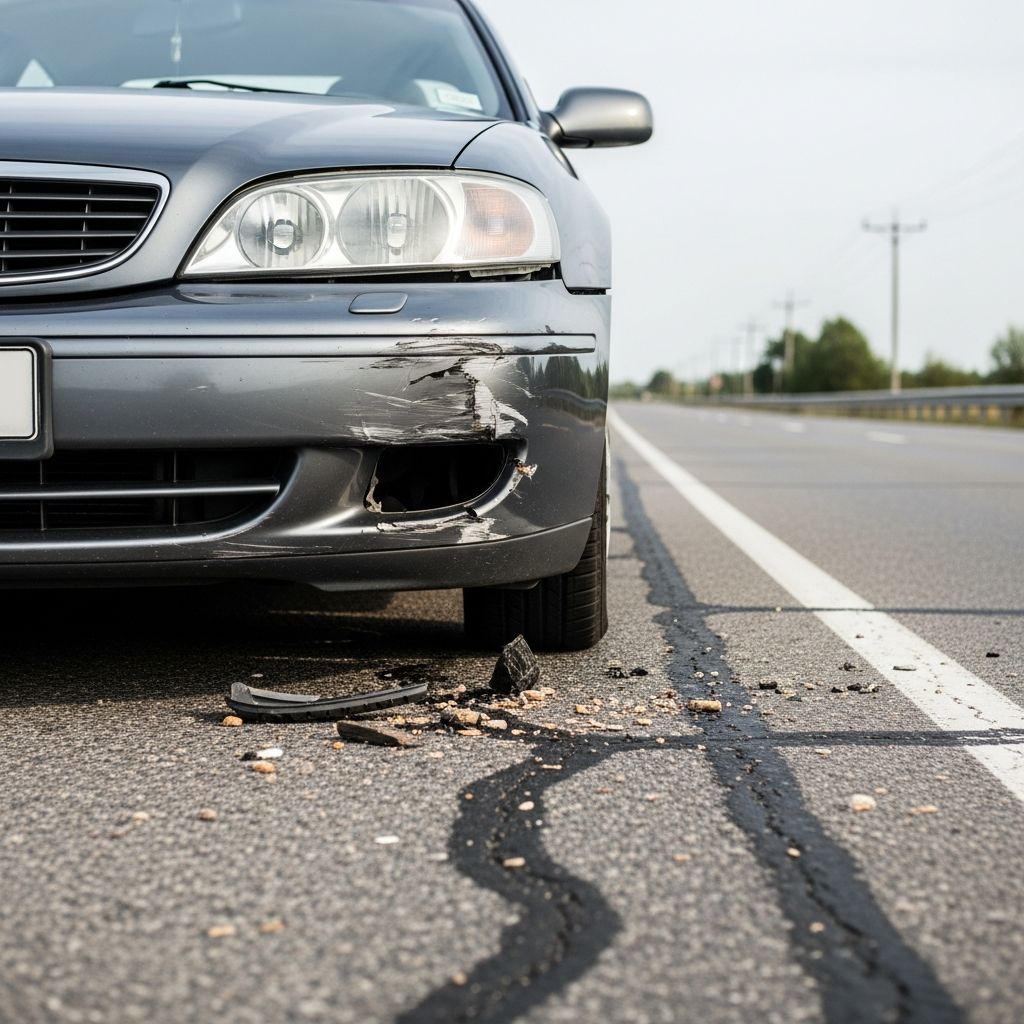
Help! I Hit an Object in the Road
Accidents happen on the road every day, and sometimes those accidents involve hitting objects rather than other vehicles. Whether you’ve struck road debris, a pothole, or an unexpected obstacle, understanding your insurance coverage is crucial for protecting yourself financially. This comprehensive guide will help you navigate the process of filing a claim and understanding what your auto insurance covers when you hit an object in the road.
Understanding What Happens When You Hit an Object
When you hit an object in the road, the type of damage and your insurance coverage depends on several factors. The most important factor is the type of insurance coverage you have on your policy. Most auto insurance policies include both collision and comprehensive coverage options, each designed to handle different types of incidents.
If the object you hit is stationary—such as a pothole, debris, or fallen road debris—your collision coverage typically applies. However, if the object was moving or fell onto your vehicle, comprehensive coverage might be the appropriate option. Understanding the distinction between these two types of coverage is essential for making sure your claim is processed correctly and efficiently.
Collision Coverage and Road Debris Damage
Collision coverage is designed to protect your vehicle when it hits another object or vehicle, regardless of who is at fault. When you run over or strike an object in the road, collision coverage typically covers the resulting damage to your vehicle. This includes damage from running over tires, hitting potholes, striking road debris, and colliding with objects like fallen branches or abandoned items on the roadway.
One of the key benefits of collision coverage is that it provides protection regardless of fault. This means even if you were entirely responsible for the accident, your collision coverage will still help pay for repairs. However, you will be responsible for paying your collision deductible—typically ranging from $250 to $1,000—before your insurance company covers the remaining repair costs.
It’s important to understand that collision coverage only applies when your vehicle actually hits or runs over something. If an object flies toward your vehicle but misses it, or if debris falls onto your car from another vehicle or a structure, comprehensive coverage might apply instead.
Comprehensive Coverage and Flying Debris
Comprehensive coverage handles vehicle damage caused by events that are not related to collisions with other vehicles or objects. In situations where debris flies from another vehicle or objects fall onto your car from above, comprehensive coverage is the appropriate coverage type. This distinction is important because comprehensive claims are typically viewed as “not at fault” and may not impact your insurance rates as significantly as collision claims.
Comprehensive coverage includes protection for damage caused by:
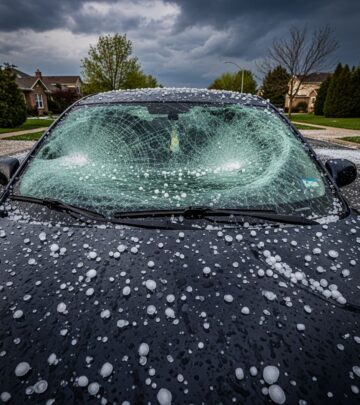
– Flying debris or objects falling from other vehicles- Hitting animals such as deer or other wildlife- Natural disasters including hail, flood, or wind damage- Theft or vandalism- Fire or explosion- Glass breakage not caused by collision
The key difference between comprehensive and collision coverage is that comprehensive covers events outside your control, while collision covers incidents where your vehicle strikes something. Understanding which type of coverage applies to your situation is essential for filing the correct claim.
Types of Road Debris and Coverage
Different types of road debris may be covered under different insurance policies. Understanding what falls under your coverage can help you determine whether you have a valid claim.
| Type of Debris or Damage | Coverage Type | Details |
|---|---|---|
| Running over a tire or metal object | Collision | When your vehicle hits debris on the road |
| Flying debris from another vehicle | Comprehensive | Objects thrown up or falling from other vehicles |
| Pothole damage | Collision | Hitting a pothole resulting in undercarriage damage |
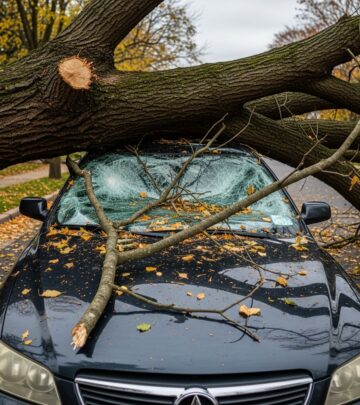
| Fallen tree branch | Comprehensive | Objects falling from trees or structures above |
| Rock kicked up by another vehicle | Comprehensive | Inevitable debris you could not avoid |
| Hitting an animal | Comprehensive | Collisions with deer, birds, or other wildlife |
Damage to Wheels and Rims
One of the most common types of damage from hitting road debris involves wheels and rims. When you hit a pothole or road debris at speed, your wheels can become bent, dented, or scratched, and your tires can be damaged or punctured. Bent wheels can cause wheel misalignment, which affects your vehicle’s steering and overall handling.
If your collision coverage includes rim and wheel protection, the damage may be covered by your insurance policy. However, the cost of repairs must exceed your collision deductible for coverage to apply. If you have custom rims worth more than the standard coverage limit (typically $1,000), you may want to consider custom parts and equipment coverage (CPE), which can protect custom parts valued up to $5,000.
To protect your wheels and rims, it’s important to examine them immediately after hitting debris and document any damage with photographs. This documentation will be helpful when filing your insurance claim.
Steps to Take After Hitting an Object in the Road
If you’ve hit an object on the road, taking the right steps immediately after the incident can help ensure that your insurance claim is processed smoothly. Here’s what you should do:
Immediate Actions at the Scene
– Move your vehicle to a safe location if possible and if it’s safe to do so- Turn on your hazard lights to alert other drivers- Check yourself and your passengers for injuries- Call emergency services if anyone is injured- Take photos of your vehicle damage from multiple angles- Document the location and any visible debris or damage to the road- Note the weather and road conditions at the time of the incident
Damage Assessment
After moving to a safe location, you should carefully inspect your vehicle for damage. Pay special attention to:
– All four wheels and tires for scratches, dents, chips, or punctures- The front end of your vehicle for damage or dents- The undercarriage for any visible damage- Your steering to ensure the vehicle drives straight and responds normally
Reporting the Incident
Depending on the severity of the damage and your state’s laws, you may need to report the incident to local police, especially if you hit debris that damaged the road itself. Even if you don’t plan to file an insurance claim, it’s often wise to report significant incidents to law enforcement and to notify your insurance company. This creates an official record that may be useful if questions arise later.
Professional Inspection
If you suspect any damage to your vehicle, even if it’s not immediately visible, take your car to an auto body shop for professional inspection. Some damage, particularly to the undercarriage or alignment, may not be apparent to the untrained eye but could develop into more serious problems if left unrepaired.
Filing a Claim for Road Debris Damage
Once you’ve assessed the damage to your vehicle, you’ll need to decide whether to file an insurance claim. The decision depends on several factors, particularly the cost of repairs compared to your collision deductible.
When to File a Claim
You should consider filing a collision claim if the cost of repairs exceeds your deductible by a reasonable margin. For example, if your deductible is $500 and repairs cost $2,000, filing a claim makes financial sense since your insurance will cover $1,500. However, if repairs cost only $600, the claim may not be worthwhile.
Additionally, if the damage is severe or if you’re uncertain whether your vehicle is safe to drive, you should file a claim regardless of the financial calculation. Your safety and the safety of others on the road is more important than trying to save money on deductibles.
Documentation Required
When filing your claim, gather all relevant documentation, including:
– Photos of the damage from multiple angles- Police report number (if applicable)- Date, time, and location of the incident- Description of what you hit and the road conditions- Repair estimates from body shops- Your insurance policy details
The Claims Process
After filing your claim, your insurance company will assign an adjuster to assess the damage. The adjuster will review your documentation, may request additional photos, and will provide a repair estimate. Once the claim is approved, you can take your vehicle to an authorized repair facility or choose your own mechanic, depending on your policy.
Insurance Coverage Considerations
Not all auto insurance policies automatically include collision or comprehensive coverage. Some drivers, particularly those with older vehicles or those trying to reduce insurance costs, may have chosen liability-only coverage. Understanding what coverage you have is essential before you need to file a claim.
Checking Your Coverage
Review your insurance policy documents to determine what coverage you have. Your policy should clearly state whether you have collision coverage, comprehensive coverage, and what your deductible is. If you’re unsure about your coverage, contact your insurance agent or call your insurance company’s customer service line.
Adding or Increasing Coverage
If you don’t currently have collision coverage and you’re concerned about road debris damage, you can add this coverage to your policy. You can also adjust your deductible to better match your financial situation—a higher deductible means lower premiums, while a lower deductible means higher premiums but more insurance coverage when you need it.
Special Considerations
Damage to the Road or Public Property
If your vehicle damaged the road or public property—such as a curb, guardrail, or drainage system—your liability coverage may pay for those repairs if you’re found responsible. While your collision coverage protects your own vehicle, your liability coverage protects against claims from others. Most states require liability coverage, and it’s typically included in all auto insurance policies.
Hit-and-Run Situations
In some cases, if you hit debris that was caused by another vehicle and you didn’t see that vehicle, you may be able to file a hit-and-run claim. This typically falls under uninsured motorist property damage coverage if available in your state. Report the incident to police and provide your insurance company with all available details.
Disputed Claims
If your insurance company denies your claim or offers a settlement you believe is unfair, you have the right to appeal. Gather all evidence supporting your claim, including photos, repair estimates, and any police reports, and submit a formal appeal to your insurance company.
Frequently Asked Questions
Q: Is hitting an object in the road considered an accident?
A: Yes, hitting an object in the road is generally considered an accident if it causes damage to your vehicle. However, minor incidents with little to no damage may not be classified as formal accidents. The distinction matters because insurers may investigate more serious accidents to determine the exact cause and extent of damage.
Q: Will hitting road debris affect my insurance rates?
A: Filing a collision claim will typically increase your insurance rates because it’s considered an at-fault claim. However, comprehensive claims—such as those for unavoidable flying debris—often don’t increase your rates as significantly. Check with your insurance company about their specific rate adjustment policies.
Q: What if I can’t afford the deductible?
A: If you can’t afford your deductible, you have several options: you can request a payment plan from your insurance company or repair shop, you can increase your deductible to lower your premiums and then handle repairs out of pocket, or you can postpone repairs if the vehicle is still safe to drive. Some states also have programs for those who cannot afford vehicle repairs.
Q: Can hitting a pothole be covered by my insurance?
A: Yes, damage from hitting a pothole can be covered by collision insurance. Pothole damage typically falls under collision coverage because your vehicle is actively striking an object. Ensure you have collision coverage on your policy and file a claim with your insurance company promptly.
Q: Do I need to report minor road debris damage to insurance?
A: While minor damage may not require a formal claim, it’s still advisable to report it to your insurance company and to local authorities if the debris damaged the road. This creates an official record and helps establish patterns if multiple accidents occur in the same location.
Q: What coverage should I have to protect against road debris?
A: To protect against damage from road debris, ensure you have collision coverage on your policy. Additionally, consider comprehensive coverage to protect against flying debris and other non-collision incidents. If you have custom parts or aftermarket wheels, add custom parts and equipment coverage for maximum protection.
Q: How long do I have to file a claim after hitting road debris?
A: Most insurance policies require you to report an accident promptly, typically within 24 to 30 days. However, it’s best to report the incident and file your claim as soon as possible after the incident occurs. Delays can complicate the investigation and potentially result in claim denial.
References
- Does Car Insurance Cover Damage From Hitting a Curb? — Progressive. 2024. https://www.progressive.com/answers/does-car-insurance-cover-hitting-a-curb/
- Why Road Debris Damage Is Your Fault — CIB Insure. 2024. https://www.cibinsure.com/post/why-road-debris-damage-is-your-fault
- Comprehensive vs. Collision Insurance: What is the Difference? — Nationwide. 2024. https://www.nationwide.com/lc/resources/auto-insurance/articles/difference-between-comprehensive-and-collision
- When Flying Debris Hit My Car: Navigating Liability — Anthem Injury Law. 2024. https://www.antheminjurylaw.com/when-flying-debris-hit-my-car-navigating-liability/
- What is Comprehensive Car Insurance and What Does It Cover? — GEICO. 2024. https://www.geico.com/information/aboutinsurance/auto/comp-coverage/
- Does Insurance Cover Damage From Road Debris? — Insure.com. 2024. https://www.insure.com/car-insurance/guide-to-insurance-for-collisions.html
Similar Articles








Read full bio of medha deb