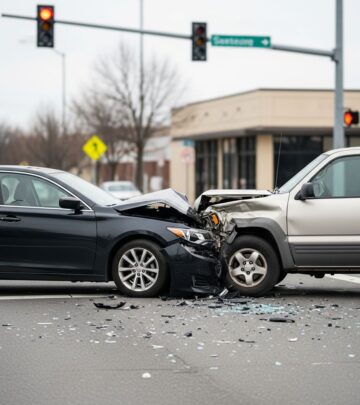
Hit-and-Run Response Guide
Essential steps to protect yourself, your vehicle, and your rights after a hit-and-run incident—stay safe and informed.
Encountering a hit-and-run accident demands swift, composed action to ensure personal safety, preserve evidence, and initiate recovery processes. This guide outlines practical measures for victims, drawing from established legal and insurance protocols to help navigate the aftermath effectively.
Prioritizing Safety in the Moment
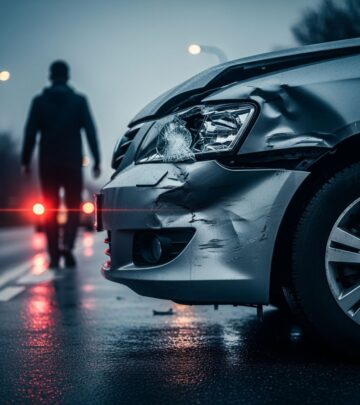
The first priority after any collision is to assess and secure your well-being. Move to a safe location away from traffic if possible, activating hazard lights or using reflective triangles to alert other drivers. Check for injuries on yourself and any passengers, calling emergency services immediately if needed, as even minor impacts can lead to delayed symptoms like whiplash or internal bruising.
- Turn on hazard lights and exit the vehicle safely.
- Evaluate injuries and summon medical help without delay.
- Avoid sudden movements that could worsen potential harm.
Documenting the scene begins here: note the time, weather conditions, and any immediate observations while details remain fresh. This foundational step supports all subsequent claims and investigations.
Collecting Vital Evidence at the Scene
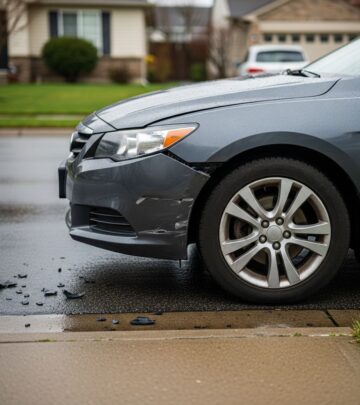
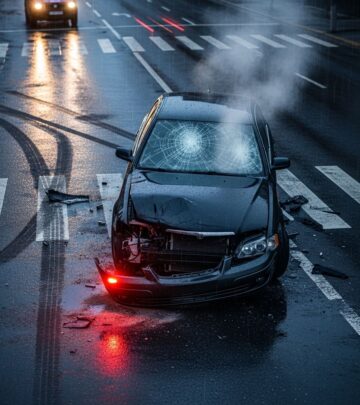
Evidence collection can make or break your ability to pursue compensation. Photograph the damage to your vehicle from multiple angles, including license plates if partially visible, debris patterns, and skid marks. Witness statements prove invaluable—politely request contact details from bystanders who observed the incident, as their accounts can corroborate your version of events.
| Evidence Type | Why It Matters | How to Gather |
|---|---|---|
| Photos/Videos | Visual proof of damage and scene layout | Use phone camera; capture wide and close-up shots |
| Witness Info | Independent verification of events | Ask for names, phones, and brief statements |
| Vehicle Debris | Potential matching to suspect’s car | Bag fragments safely without tampering |
| Surveillance Notes | Possible video footage nearby | Check for cameras at intersections or businesses |
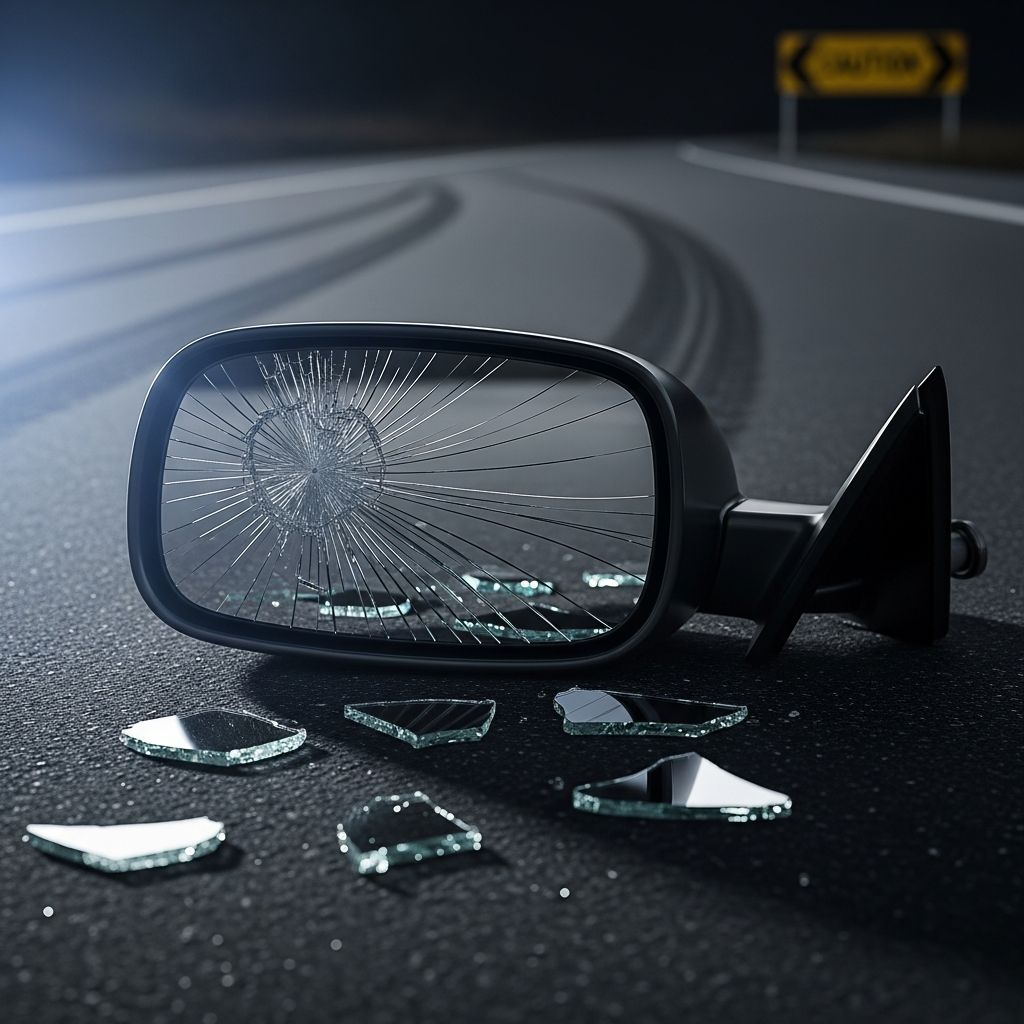
Preserve any physical remnants like paint chips or glass shards, as forensic analysis might link them to the fleeing vehicle later. Note surrounding environmental factors, such as nearby security cameras, which law enforcement can subpoena.
Reporting the Incident Promptly
Texas law requires reporting accidents involving injury, death, or property damage exceeding $1,000 to police within 10 days, but immediate reporting is advisable for hit-and-runs to mobilize investigations. Contact non-emergency lines if no injuries, providing precise location and details to generate an official report—essential for insurance and legal proceedings.
- Dial 911 for injuries or hazards blocking traffic.
- Use local police non-emergency for property-only cases.
- Request a copy of the report number for records.
Police may canvass for surveillance or witnesses, potentially identifying the at-fault driver through vehicle descriptions or partial plates you provide. Delaying reports can complicate claims and reduce recovery chances.
Navigating Insurance Claims Effectively
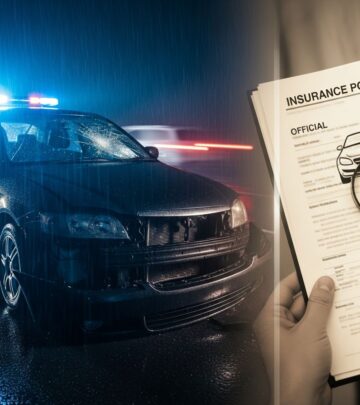
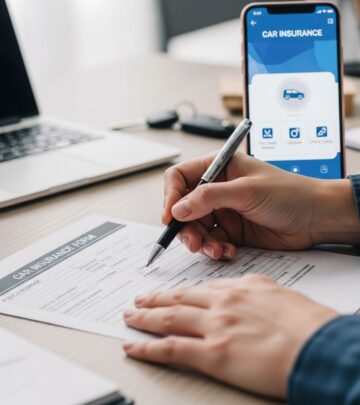
Without the other driver’s information, turn to your own policy’s uninsured motorist (UM) coverage, which compensates for damages from unidentified or uninsured parties. Collision coverage handles vehicle repairs regardless of fault. Notify your insurer promptly, supplying photos, witness details, and the police report to expedite processing.
Expect adjustments for deductibles, but UM can cover medical bills, lost wages, and pain compensation. If underinsured motorist (UIM) applies post-identification, it supplements inadequate policies. Shop policies emphasizing comprehensive UM/UIM limits for future protection.
| Coverage Type | Covers | Typical Requirements |
|---|---|---|
| Uninsured Motorist (UM) | Bodily injury, property from unknown drivers | Police report, evidence of flight |
| Collision | Vehicle repairs | Regardless of fault; pays deductibles |
| Medical Payments | Injury treatment | No fault needed; quick payouts |
Addressing Vehicle Repairs and Costs
Select a reputable repair shop experienced in accident restorations, obtaining multiple estimates to negotiate with insurers. Retain your vehicle until cleared by police or adjusters to avoid spoliation claims. Track all expenses, including rentals, towing, and storage, as reimbursable under most policies.
- Get insurer-approved shops for seamless billing.
- Keep rental coverage active during repairs.
- Document mileage and condition pre-accident.
For total losses, insurers calculate actual cash value based on market comparables—dispute low offers with documentation of recent upgrades or maintenance.
Seeking Medical Evaluation and Care
Even absent obvious trauma, schedule a professional exam within 24-48 hours. Soft tissue injuries often emerge later, and records establish causation for claims. Follow treatment plans diligently, as gaps can undermine compensation arguments.
Therapies like physical therapy or chiropractic care address lingering effects, with costs billable to health or auto insurance. Persistent symptoms warrant specialist referrals to build a robust medical narrative.
Understanding Legal Ramifications for Perpetrators
Texas classifies hit-and-runs by severity: misdemeanors for minor property damage (fines up to $500, possible jail), escalating to felonies for injuries (2-10 years prison, $10,000 fines) or death (up to life, same fines). Drivers must stop, exchange info, and aid injured parties per Transportation Code §550.021.
| Accident Severity | Charge Level | Penalties |
|---|---|---|
| Property Damage <$200 | Class C Misdemeanor | Fine up to $500 |
| Property Damage >$200 | Class B Misdemeanor | Up to 180 days jail, $2,000 fine |
| Injury (non-serious) | Third-Degree Felony | 2-10 years prison, $10,000 fine |
| Serious Injury | Second-Degree Felony | 2-20 years prison, $10,000 fine |
| Death | First-Degree Felony | 5-99 years or life, $10,000 fine |
Convictions trigger license suspensions, premium hikes, and criminal records impacting employment. Victims hold rights to sue civilly for full damages if identified.
Long-Term Financial and Legal Recovery
Beyond insurance, explore personal injury lawsuits if damages exceed coverage limits, seeking compensatory (medical, wages) and punitive awards. Statute of limitations is two years for injuries in Texas—act timely. Consult attorneys specializing in accidents for case evaluations, often on contingency.
Financial ripple effects include credit impacts from unpaid repairs; monitor reports and dispute errors. Community resources like victim funds may assist uninsured individuals.
Preventive Measures for Future Incidents
Enhance preparedness with dashcams recording continuously, providing irrefutable footage. Opt for higher UM/UIM limits, roadside assistance, and rental coverage. Drive defensively, maintaining distances in high-risk areas like urban intersections.
- Install front/rear dashcams with cloud storage.
- Review policy annually for adequate protection.
- Join auto clubs for towing/advocacy support.
Frequently Asked Questions
What if I don’t have uninsured motorist coverage?
You may still claim through collision coverage for property or personal assets for injuries, though gaps exist—consider adding UM to policies.
How long after a hit-and-run can I file a claim?
Most insurers require notification within days; Texas allows up to two years for lawsuits, but promptness strengthens cases.
Can police always identify the driver?
Not guaranteed, but evidence like paint or cameras boosts chances—provide all details to investigators.
Does a hit-and-run affect my insurance rates?
Not if you’re the victim; perpetrators face hikes post-conviction.
Should I chase the fleeing vehicle?
No—prioritize safety and let police handle pursuits to avoid escalating dangers.
References
- What to Do If You’re Injured in a Hit and Run in Texas — Williams Caputo. N/A. https://www.williamscaputo.com/blog/injured-in-a-hit-and-run-in-texas/
- Penalties for a Hit & Run in Texas — Texas Criminal Defense Group. N/A. https://texascriminaldefensegroup.com/penalties-for-a-hit-run-in-texas/
- Understanding Texas Hit and Run Car Accident Laws — Chavez Law Firm. N/A. https://chavezlawfirm.law/understanding-texas-hit-and-run-car-accident-laws-protecting-victims/
- The Consequences of a Hit and Run Accident in TX — Jed Silverman Law. 2017-10. https://www.jedsilverman.com/blog/2017/october/the-consequences-of-a-hit-and-run-accident/
- Legal Effects of Texas Hit-and-Run Accidents — Joe Gamez Law. N/A. https://joegamezlaw.com/blog/what-are-the-legal-consequences-of-hit-and-run-accidents-in-texas/
- Hit and Run in Texas: Understanding the Implications and Penalties — Frankfurt Law. 2025-07. https://frankfurtlaw.net/blog/2025/07/hit-and-run-in-texas/
- What Are the Consequences of a Hit-and-Run in TX? — Spangler Law. N/A. https://spanglerlaw.com/what-are-the-penalties-for-a-hit-and-run-in-tx/
Similar Articles








Read full bio of Sneha Tete