Hit-and-Run Insurance Coverage Explained
Discover how your car insurance can protect you from hit-and-run accidents, including key coverages, state rules, and steps to take after an incident.
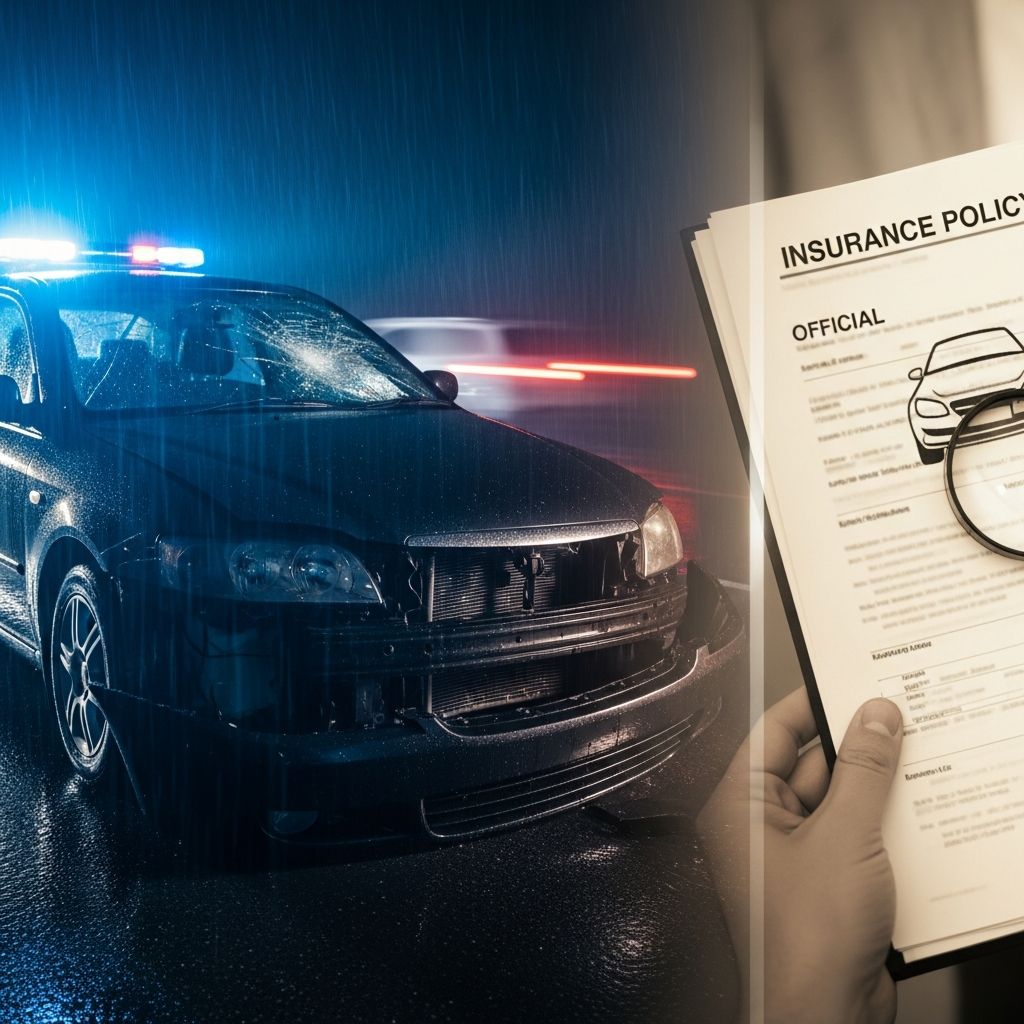
Hit-and-run accidents leave victims facing unexpected vehicle repairs, medical bills, and emotional stress without the other driver’s information. Fortunately, several standard auto insurance coverages can step in to help mitigate these costs, depending on your policy details and state regulations. This guide breaks down the protections available, filing processes, and strategies to safeguard yourself.
Defining Hit-and-Run Incidents
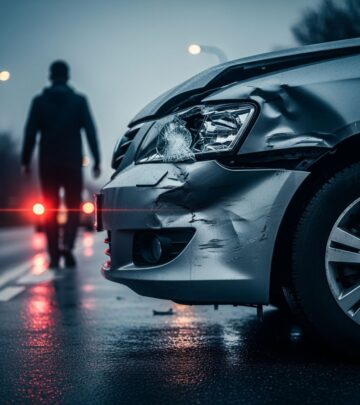
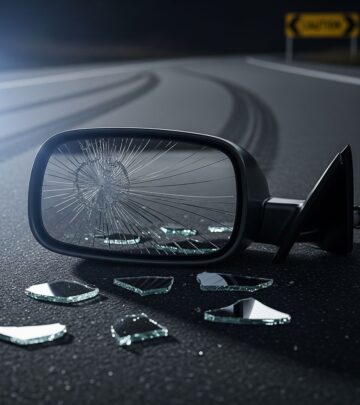
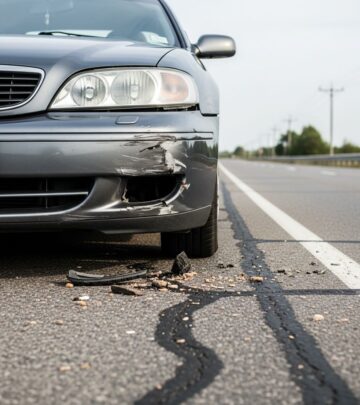
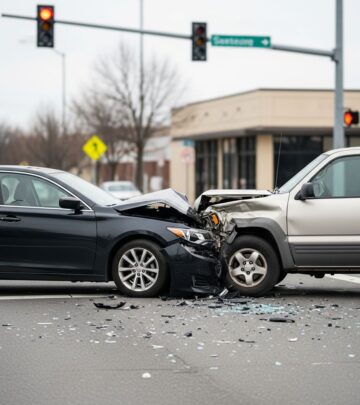
A hit-and-run occurs when a driver collides with another vehicle, pedestrian, or property and flees without exchanging information or rendering aid. These incidents account for a significant portion of unresolved accidents, complicating recovery for those affected. Legally, drivers must stop, provide contact details, and assist if injuries occur—failure to do so can lead to criminal charges.
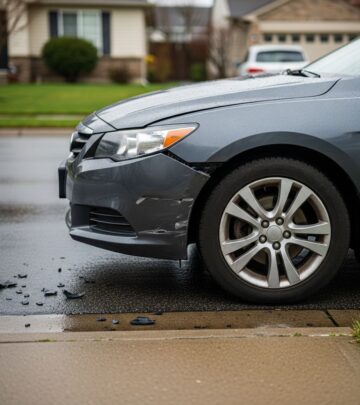
Victims often deal with damaged cars, personal injuries, or both. Insurance becomes crucial here, as pursuing the unidentified at-fault party through legal channels is rarely feasible without evidence like license plates or witnesses.
Primary Insurance Coverages for Vehicle Damage
When your car sustains damage from a fleeing driver, two main coverages typically apply: collision and uninsured motorist property damage (UMPD).
Collision Coverage Essentials
Collision coverage repairs or replaces your vehicle after a crash, regardless of fault. It applies to hit-and-runs where another car strikes yours and leaves. This optional add-on is often lender-mandated for financed or leased vehicles.
- Covers impacts with objects, rollovers, or other vehicles.
- Includes a deductible you pay upfront—common amounts range from $500 to $1,000.
- May lead to premium increases post-claim, as it’s treated as an at-fault scenario by some insurers.
For parked car hits, collision still activates if the damage fits policy terms.
Uninsured Motorist Property Damage (UMPD)
UMPD treats hit-and-runs as collisions with an uninsured driver, covering property damage without assigning fault. It’s ideal for avoiding rate hikes associated with collision claims.
- Optional in most states, with varying availability.
- Features its own deductible, often lower than collision.
- Premium impact is minimal compared to collision filings.
| Coverage Type | Deductible? | Fault Impact? | State Availability |
|---|---|---|---|
| Collision | Yes | May increase rates | Optional nationwide |
| UMPD | Yes | Minimal/no increase | Not all states |
Protections for Injuries and Medical Costs
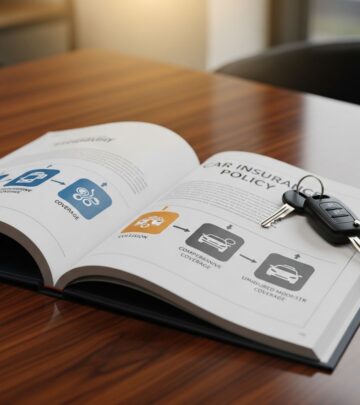
Beyond property, hit-and-runs can cause serious harm. Coverages like uninsured motorist bodily injury (UMBI), medical payments (MedPay), and personal injury protection (PIP) address these needs.
Uninsured Motorist Bodily Injury (UMBI)
UMBI covers medical expenses, lost wages, and pain/suffering for you and passengers when hit by an unidentified driver. No-fault design means it pays regardless of who caused the accident.
- Mandatory in nearly all states, with minimum limits.
- No deductible typically required.
- Extends to pedestrians struck by hit-and-run vehicles.
Medical Payments (MedPay) and PIP
MedPay pays reasonable medical bills for you and passengers, up to policy limits, without fault determination. PIP, required in no-fault states, expands to wage loss and household services.
- MedPay: Optional, no deductible, covers pedestrians.
- PIP: Mandatory in some states, broader benefits.
In North Carolina, for example, minimum UM limits rose to $50,000/$100,000 as of 2025, underscoring evolving protections.
State Variations in Coverage Requirements
Insurance rules differ widely by state, affecting hit-and-run protections.
- No-fault states (e.g., Michigan, New York) mandate PIP and often UM.
- UMPD unavailable in 12 states; collision is the fallback.
- Some require UM rejection in writing.
Review your policy declarations page or contact your insurer/agent for state-specific details. Recent laws, like North Carolina’s UM hikes, reflect growing emphasis on victim safeguards.
Filing a Claim After a Hit-and-Run
Swift action maximizes recovery chances. Follow these steps:
- Ensure safety: Move to a secure spot, check for injuries, call 911 if needed.
- Gather evidence: Note partial plates, vehicle descriptions, witness contacts; photograph damage/scene.
- Report promptly: File police report within 24-72 hours (varies by state); insurers require it for hit-and-runs.
- Contact insurer: Provide police report, photos; expect inspection/appraisal.
- Cooperate: Submit to interviews if requested.
Claims process mirrors standard accidents but hinges on proof of fleeing driver. Delays risk denial.
Potential Costs and Premium Impacts
Even with coverage, out-of-pocket hits include deductibles ($500+). Claims can raise rates:
- Collision: 20-40% hike possible.
- UMPD/UMBI: Often under 10%.
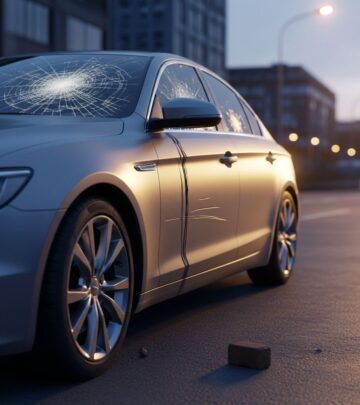
Shop competitively post-claim; non-fault filings help. Comprehensive coverage aids non-collision hits like vandalism.
Preventing Hit-and-Runs and Enhancing Protection
Proactive measures reduce risks:
- Park in well-lit, secured areas.
- Install dash cams for evidence.
- Opt for higher UM limits.
- Add roadside assistance for tows.
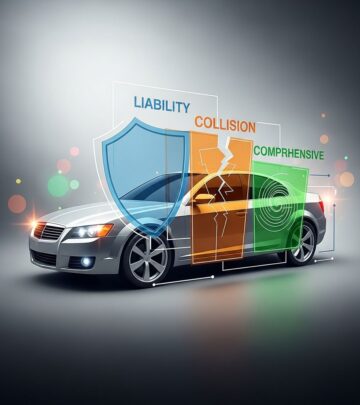
Review policy annually; full coverage (liability + collision + comprehensive + UM) offers best defense.
Frequently Asked Questions (FAQs)
Does liability insurance cover hit-and-runs?
No, liability pays for others’ damages when you’re at fault, not your own losses in a hit-and-run.
What if my car is hit while parked?
Collision or comprehensive may cover; file police report for validation.
Can I sue for a hit-and-run?
Without suspect identification, unlikely; insurance is primary recourse.
Does renters/home insurance help?
Rarely for vehicles; comprehensive auto is key.
How much UM coverage do I need?
Match or exceed bodily injury liability limits for full protection.
References
- Car Insurance for a Hit-and-Run: What You Need To Know — Bankrate. 2024. https://www.bankrate.com/insurance/car/hit-and-runs/
- Hit And Run Car Insurance Coverage — The Zebra. 2024. https://www.thezebra.com/auto-insurance/coverage/hit-and-run-car-insurance-coverage/
- Am I Covered if I’m in a Hit-and-Run Accident? — Travelers Insurance. 2024. https://www.travelers.com/resources/auto/insuring/does-car-insurance-cover-a-hit-and-run
- Does Car Insurance Cover a Hit-and-Run? — Allstate. 2024. https://www.allstate.com/resources/car-insurance/hit-and-run
- Does Insurance Cover Hit-and-Runs? — Experian. 2024. https://www.experian.com/blogs/ask-experian/does-insurance-cover-hit-and-runs/
- Will My Insurance Cover a Hit-and-Run Accident? — DeMayo Law (North Carolina official reference). 2025-01-01. https://demayolaw.com/faqs/will-my-insurance-cover-a-hit-and-run/
Similar Articles








Read full bio of medha deb