Hilbert College: Liberal Arts Education in Western NY
Discover Hilbert College: A Franciscan-rooted institution combining liberal arts with professional programs.
Hilbert College: A Franciscan Community Dedicated to Student Success
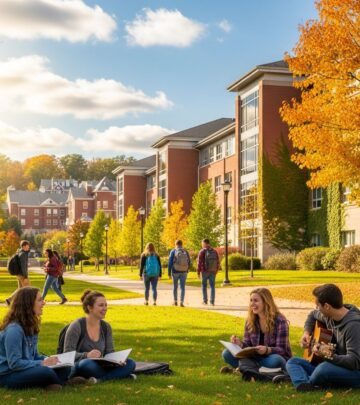
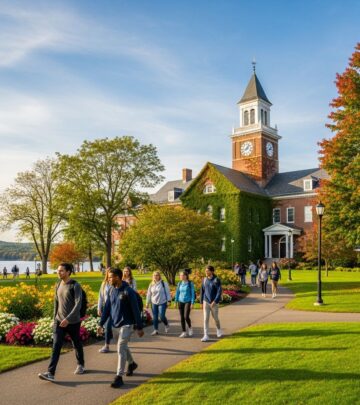
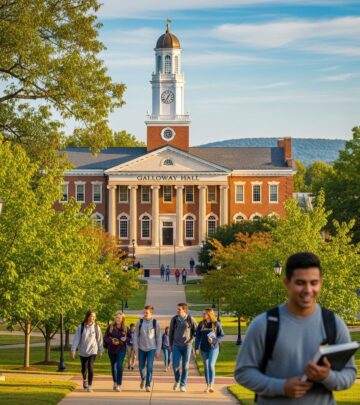
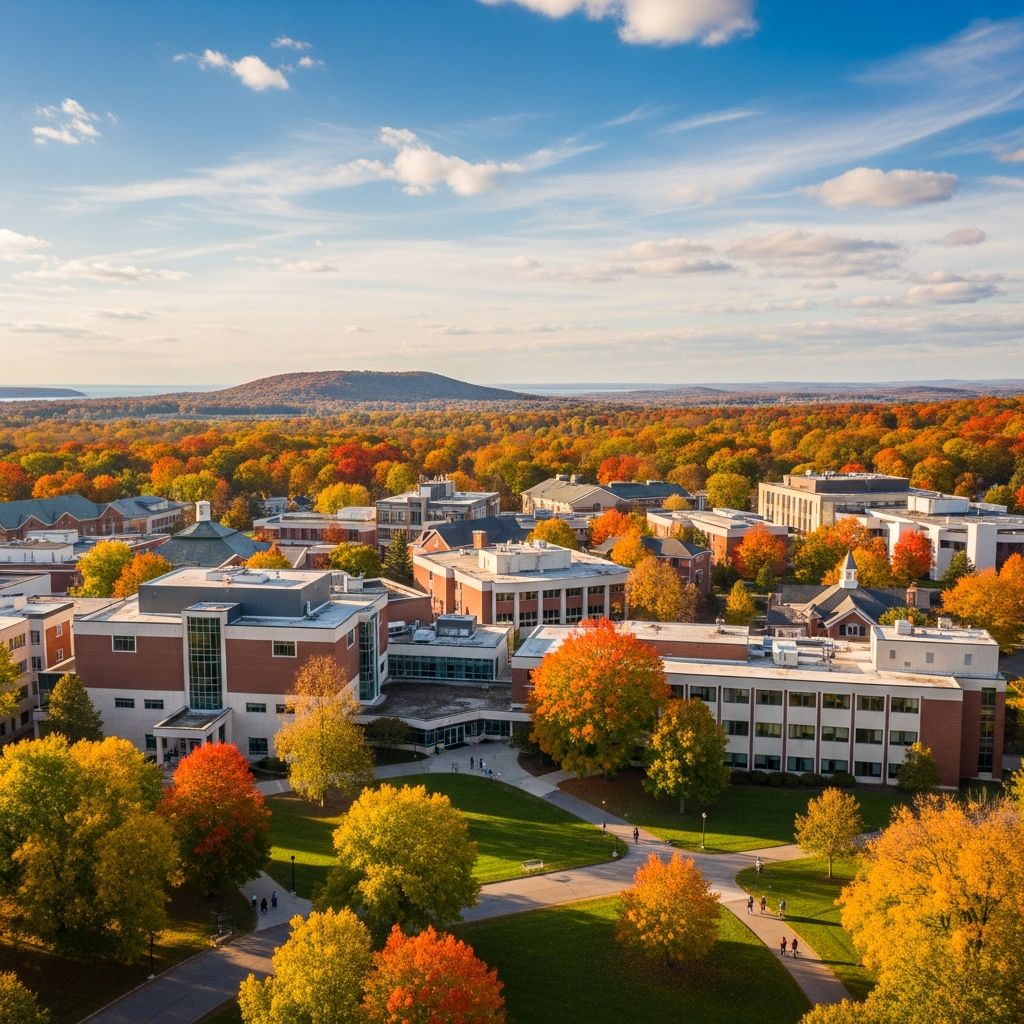
Located on a scenic 60-acre campus in Hamburg, New York, Hilbert College stands as a private four-year liberal arts institution rooted in Catholic and Franciscan traditions. With approximately 800 on-ground students, the college has carved a distinctive niche in higher education by combining a strong liberal arts foundation with professional programs that prepare graduates for meaningful careers and engaged citizenship. Since its founding in 1957 by the Franciscan Sisters of Saint Joseph, Hilbert College has evolved from a teacher-training institution into a comprehensive college serving diverse student populations through both traditional on-campus and innovative online learning modalities.
The college’s commitment to personalized education, affordability, and accessibility distinguishes it from larger universities. Hilbert’s approach emphasizes community, mentorship, and the development of informed citizens dedicated to service. The institution has earned recognition as a Top Performer in Social Mobility by U.S. News & World Report multiple years in a row, reflecting its ongoing commitment to helping students from diverse backgrounds succeed.
Academic Excellence and Diverse Program Offerings
Hilbert College’s academic portfolio encompasses over 20 undergraduate programs and three graduate options, providing students with flexibility and specialized learning opportunities. The college operates on a semester schedule with summer sessions available, allowing students to customize their educational timeline according to their needs and preferences.
Undergraduate Programs
The undergraduate curriculum reflects modern career demands while maintaining rigorous liberal arts standards. Among the most popular undergraduate programs in recent years are Forensic Science & Technology, Criminal Justice & Law Enforcement Administration, and Digital Communication & Multimedia. Additional specialized offerings include Cybersecurity and the first undergraduate Rehabilitation Services program in Western New York. These professionally-focused programs are complemented by traditional liberal arts courses that develop critical thinking, communication, and analytical skills essential for success across all industries.
Graduate Programs and Adult Learning
Hilbert launched its graduate programs in 2011, initially offering five-week intensive sessions. The graduate curriculum has since expanded to include one fifteen-week course and two seven-week courses that rotate halfway through the semester, providing working professionals with flexible pathways to advanced degrees. Additionally, the college introduced adult and evening bachelor-level programs in 2012, recognizing the needs of non-traditional students balancing work and family obligations. This commitment to accessibility extends to Hilbert College Global, launched in 2021, which provides comprehensive online programming for students seeking quality education regardless of geographic location.
Career Success and Post-Graduation Outcomes
A defining strength of Hilbert College is its track record of preparing graduates for successful careers and meaningful lives. Over 97% of the polled 2023 undergraduate class achieved positive career outcomes, securing employment, pursuing service work, or continuing their education. This impressive statistic reflects the college’s integration of career preparation throughout the curriculum, from internship opportunities to capstone projects that connect classroom learning to real-world challenges.
The college’s Career Services department works collaboratively with students and employers to facilitate internships, networking opportunities, and job placement assistance. Through this comprehensive support system, Hilbert graduates enter the workforce equipped not only with technical knowledge but also with the professional competencies and ethical framework necessary for leadership in their chosen fields.
The Hilbert Blueprint: Cultivating Leadership Development
Central to Hilbert’s educational philosophy is the innovative “Hilbert Blueprint,” a comprehensive four-year program designed to foster student involvement and leadership development. This structured progression ensures that every student engages in intentional growth experiences that prepare them for leadership roles in their communities and professions.
The Blueprint begins with the Foundations Seminar during the freshman year, establishing foundational skills and introducing students to Hilbert’s community values. In the sophomore year, students engage in Sophomore Service projects that connect classroom learning to real-world community needs. The Junior Symposium provides an opportunity for students to present research and creative work, developing presentation and professional communication skills. Finally, the Senior Capstone allows students to synthesize their learning and demonstrate mastery of their chosen field, culminating in a significant scholarly or creative project.
Campus Life and Student Community
Residential Experience
Hilbert offers diverse residential options accommodating different student preferences and lifestyles. The college provides modern apartment-style living in Trinity Hall, which houses 153 students, as well as traditional dormitory-style housing in two residence halls accommodating over 230 students. An additional 68 students live in campus apartments, providing a range of residential experiences from community-focused dorms to semi-independent living arrangements. Whether students prefer the social engagement of traditional residence halls or the independence of apartment-style living, Hilbert provides options that support their academic and personal development.
Student Demographics and Diversity
Hilbert’s student body reflects the regional demographics of Western New York while increasingly welcoming students from diverse backgrounds and geographic locations. In 2024, the student body was 56 percent female and 44 percent male, with 90 percent undergraduate and 10 percent graduate students. Approximately 57 percent of all students identify as white, with growing representation from underrepresented populations. Significantly, 40 percent of Hilbert students are first-generation college students, highlighting the institution’s commitment to expanding educational access. Additionally, 87 percent of students are from Western New York, with 85 percent attending full-time.
Clubs, Organizations, and Engagement
Beyond the classroom, Hilbert fosters an active and engaged student community through over 25 student-run clubs and organizations. These groups provide opportunities for students to pursue shared interests, develop leadership skills, and build lasting friendships. From academic clubs focused on specific disciplines to cultural organizations celebrating diverse traditions and service-oriented groups addressing community needs, Hilbert’s student-led organizations enhance campus life and deepen student connections to the college community.
Athletics and Recreation
Hilbert Athletics compete at the NCAA Division III level within the Allegheny Mountain Collegiate Conference. The college’s athletic programs include baseball, basketball, women’s bowling, cross country, golf, soccer, softball, and volleyball. In 2021, Hilbert announced significant expansion of its athletics programs to include football, men’s and women’s track & field, and women’s ice hockey, reflecting the college’s commitment to providing diverse opportunities for student-athlete development.
The Hafner Recreation Center features a gymnasium serving as the home court for Hawks basketball and volleyball programs, providing a vibrant atmosphere for competition and community gathering. The FSSJ Field Complex, which opened in September 2021, encompasses a 330’/400’/330′ baseball diamond and a 200’/225/200′ softball diamond, offering state-of-the-art facilities for baseball and softball competition.
Campus Facilities and Infrastructure
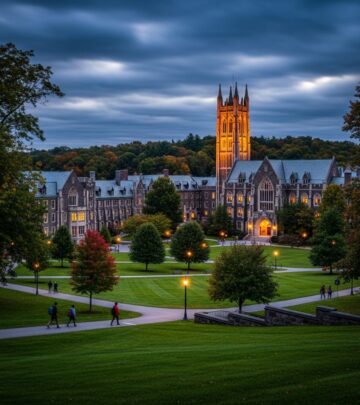
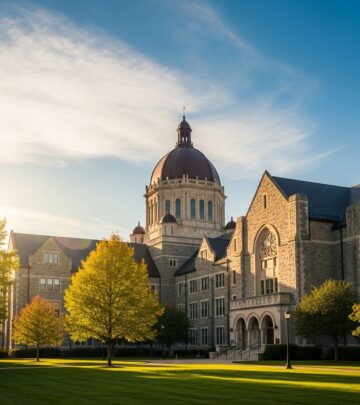
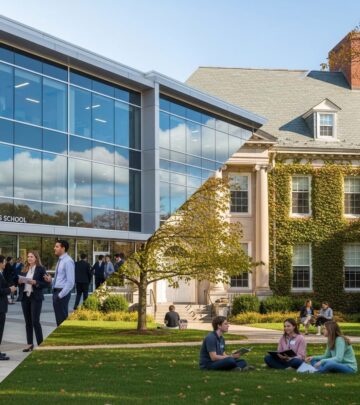
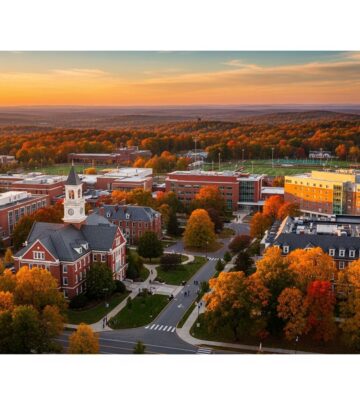
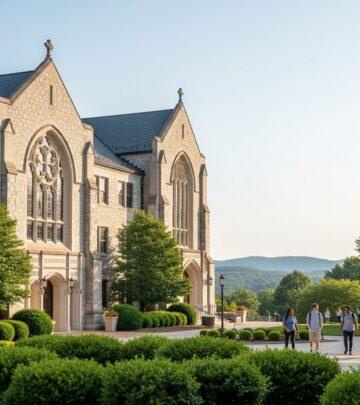
Hilbert’s 60-acre suburban campus consists of 11 buildings and several athletic fields, creating a purposefully designed learning environment. The campus represents a blend of historic and modern architecture, reflecting the institution’s evolution and ongoing commitment to providing quality facilities.
Key Campus Buildings
Franciscan Hall, the main administrative building, opened in 1997 and serves as the heart of campus operations and student services. Bogel Hall and McGrath Library were the first buildings to open when the college relocated from the FSSJ Motherhouse to the new Hamburg campus in 1969. St. Joseph Residence Hall and the Campus Center opened the following year, establishing the foundation for residential and co-curricular life. The college later expanded its infrastructure with four new apartment-style residence buildings in 2003, Trinity Hall in 2009, Paczesny Hall in 2006, and the Swan Auditorium in 2006. The campus dining hall is located in the upper level of the Campus Center, providing a central gathering space for the community.
Accreditation and Institutional Recognition
Hilbert College maintains accreditation through the Middle States Commission on Higher Education (MSCHE). The institution underwent a significant substantive change site visit on December 4, 2024, with comprehensive monitoring reports demonstrating compliance with MSCHE standards including Ethics and Integrity, Planning and Resources, Governance and Administration, and related institutional policies. The next comprehensive evaluation visit is scheduled for 2025-2026, reflecting ongoing institutional commitment to maintaining the highest standards of educational quality and institutional effectiveness.
Historical Development and Evolution
Hilbert College’s history reflects a consistent commitment to evolving in response to student and community needs. Founded in 1957 by the Franciscan Sisters of Saint Joseph specifically to train teachers, the institution served an important role in addressing teacher shortages in the region. In 1964, the college charter was amended to admit laywomen, expanding educational access beyond the sisters. By 1969, having broadened its curriculum to include degrees outside of teacher training and expanded enrollment to include both men and women, the institution officially adopted the name Hilbert College.
The campus was once an apple orchard, and today it provides a vibrant learning environment on its 60+ scenic acres. This transformation from agricultural land to educational institution symbolizes the college’s role in cultivating intellectual growth and community development. In 1992, Hilbert joined the NCAA and began offering four-year degrees for the first time, marking a significant transition from a junior college to a comprehensive four-year institution. Graduate programs were added in 2011, adult and evening bachelor-level programs in 2012, and online programming through Hilbert College Global in 2021.
Franciscan Values and Community Commitment
At its core, Hilbert College remains deeply committed to its Franciscan heritage and Catholic mission. The institution emphasizes service-learning and puts these values into practice through initiatives like the Day of Caring and other community engagement projects. Hilbert’s mission centers on fostering informed citizens who serve and strengthen their communities, a commitment reflected in curricular offerings, co-curricular programming, and institutional priorities.
The college cultivates an explicitly welcoming and inclusive environment for both commuter and residential students from all backgrounds and faiths. While rooted in Catholic and Franciscan traditions, Hilbert honors diverse spiritual perspectives and welcomes students of all belief systems to engage in its community. This balance between maintaining institutional identity and fostering genuine inclusion represents a distinctive strength of the Hilbert experience.
Admissions and Financial Accessibility
Hilbert College’s commitment to accessibility extends beyond academic programming to include affordable tuition and global access through online education. The institution recognizes that quality education should not be limited to those with significant financial resources, and works actively to make its programs accessible to students from diverse socioeconomic backgrounds. As a Top Performer in Social Mobility, Hilbert demonstrates tangible commitment to helping first-generation and underrepresented students succeed in higher education.
Looking Forward: Hilbert’s Future Vision
Hilbert College continues to expand its reach and enhance its offerings to serve students at all life stages. The recent addition of athletics programs, expansion of online learning opportunities, and development of innovative graduate programs reflect the institution’s responsiveness to student needs and market demands. As higher education continues to evolve, Hilbert remains committed to its founding mission of providing accessible, high-quality education rooted in Franciscan values of service, compassion, and community engagement.
Frequently Asked Questions
Q: What are the most popular majors at Hilbert College?
A: Among the most popular undergraduate programs are Forensic Science & Technology, Criminal Justice & Law Enforcement Administration, and Digital Communication & Multimedia, reflecting student interest in applied professional fields.
Q: Does Hilbert College offer online programs?
A: Yes, Hilbert launched Hilbert College Global in 2021, providing comprehensive online programming for students seeking quality education remotely.
Q: What percentage of Hilbert graduates find employment after graduation?
A: Over 97% of the polled 2023 undergraduate class achieved positive career outcomes, either securing employment, pursuing service work, or continuing their education.
Q: What residential options are available at Hilbert?
A: Hilbert offers traditional residence halls, apartment-style living in Trinity Hall, and campus apartments, accommodating approximately 300 students in residential facilities.
Q: Is Hilbert College accredited?
A: Yes, Hilbert College maintains accreditation through the Middle States Commission on Higher Education (MSCHE) and regularly undergoes comprehensive institutional evaluations.
References
- Hilbert College — Wikipedia. Accessed 2025-11-29. https://en.wikipedia.org/wiki/Hilbert_College
- About – Hilbert College — Hilbert College Official Website. 2024. https://www.hilbert.edu/about/
- Why Hilbert? — Hilbert College Official Website. 2024. https://www.hilbert.edu/why-hilbert/
- Hilbert College – Statement of Accreditation Status — Middle States Commission on Higher Education. February 15, 2024. https://www.msche.org/institution/0440/
- Hilbert College: Home — Hilbert College Official Website. 2024. https://www.hilbert.edu
Similar Articles








Read full bio of medha deb