High-Yield Savings Rates: Separating Fact from Fiction
Understanding realistic savings account returns and how to identify genuine opportunities
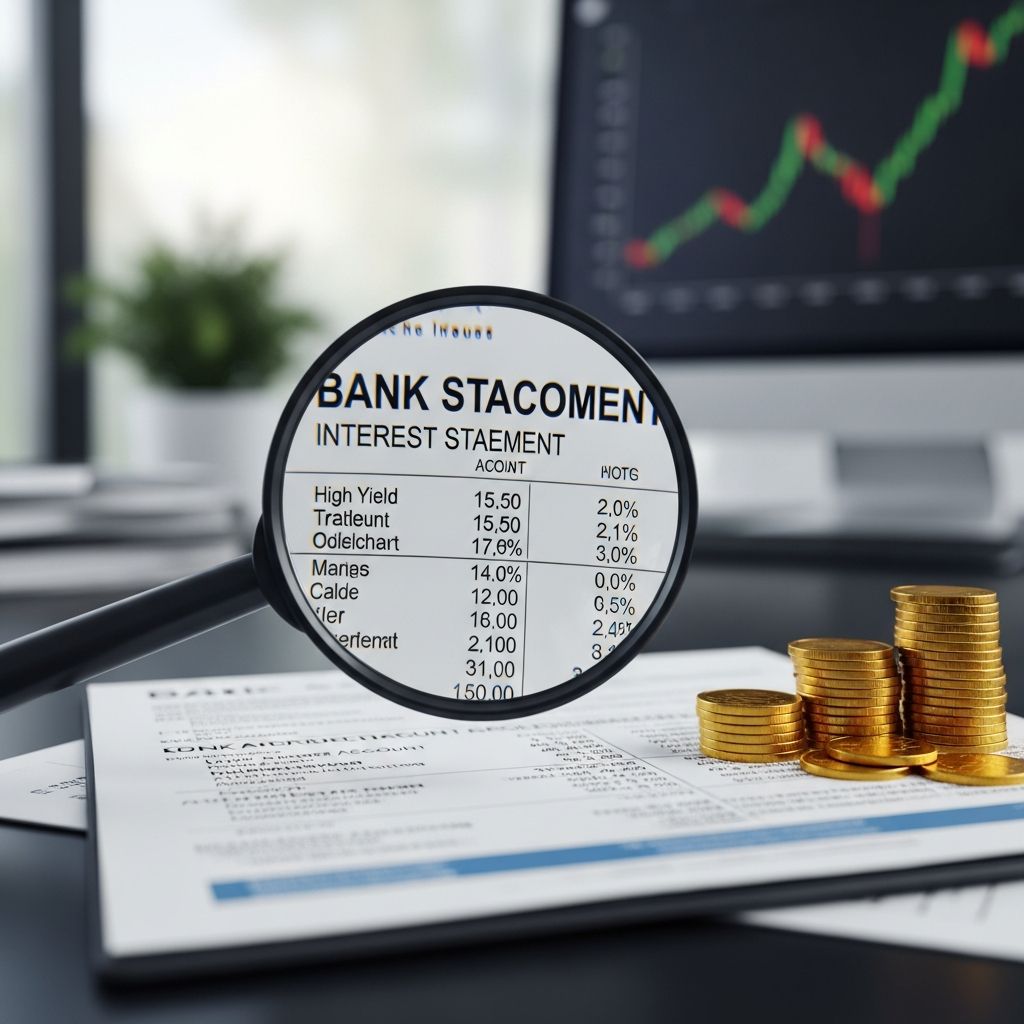
The financial landscape has shifted considerably in recent years, with savings accounts offering returns that would have seemed extraordinary just a decade ago. However, alongside legitimate opportunities, consumers encounter marketing claims that strain credibility. Understanding the difference between realistic and unrealistic savings account offerings has become essential for anyone looking to maximize their cash reserves while maintaining safety and accessibility.
The Evolution of Savings Account Interest Rates
Interest rates on savings accounts fluctuate based on broader economic conditions, monetary policy, and competitive pressures within the banking industry. When central banks maintain higher interest rates to combat inflation, banks can pass along more attractive returns to depositors. The current environment reflects this dynamic, with leading financial institutions offering rates that represent genuine value for consumers seeking to preserve purchasing power.
Currently, the highest-performing savings accounts deliver returns in the range of 4% to 5% APY, with some institutions offering rates as high as 5.00%. These rates represent approximately seven to eight times the national average savings rate, demonstrating significant variation across financial institutions. This disparity exists because different banks face different cost structures, funding requirements, and competitive positioning strategies.
What Makes a Savings Account Rate Legitimate
Determining whether a savings account offer is genuine requires understanding several key factors that influence an institution’s ability to provide competitive returns.
Regulatory Framework and FDIC Protection
Legitimate savings accounts operate within strict federal guidelines and carry FDIC insurance protection up to $250,000 per depositor. This insurance requirement means that institutions offering these accounts must meet capital adequacy standards and undergo regular regulatory examinations. When an institution advertises rates far exceeding market norms, verification through the FDIC database becomes crucial. Banks that fail these regulatory checks or operate without proper licensing present genuine risks to depositors.
Minimum Balance Requirements and Conditions
Realistic savings accounts often impose reasonable conditions to earn their stated rates. Common requirements include:
- Minimum opening deposits ranging from $0 to $5,000
- Minimum balance maintenance thresholds
- Direct deposit requirements for qualifying rates
- Monthly activity conditions or deposit frequency specifications
These conditions make economic sense from a bank’s perspective, as they help ensure customer engagement and stable funding sources. When an institution offers premium rates with absolutely no strings attached, scrutiny becomes warranted. However, many legitimate banks do offer competitive rates with minimal or no requirements.
Current Market Standards for High-Yield Savings
Examining the current marketplace provides valuable context for evaluating individual offers. As of March 2026, several factors characterize the legitimate high-yield savings landscape:
| Institution Type | Typical APY Range | Minimum Balance | Key Features |
|---|---|---|---|
| Top-Tier Online Banks | 4.20% – 5.00% | $0 – $5,000 | FDIC insured, variable rates, minimal fees |
| Mid-Tier Regional Banks | 3.75% – 4.20% | $1,500 – $5,000 | FDIC insured, some access to branches |
| Traditional Major Banks | 3.00% – 3.50% | $0 – $10,000 | FDIC insured, extensive branch networks |
| Credit Unions | 3.50% – 4.50% | Varies | NCUA insured, membership requirements |
Leading institutions currently include Varo Money at 5.00% APY, Axos Bank at 4.21% APY, and Newtek Bank at 4.20% APY. Each of these institutions operates as a legitimate FDIC-insured entity with transparent fee structures and reasonable accessibility requirements.
Red Flags and Warning Signs
Certain characteristics should trigger immediate skepticism when evaluating savings account offers:
Rates Disconnected from Market Conditions
When an institution advertises rates significantly exceeding established market leaders without apparent justification, this represents a major warning sign. A 10% APY savings account in an environment where the highest legitimate rates hover around 5% suggests either fraudulent activity, a promotional offer with severe restrictions, or unsustainable business practices.
Absence of Regulatory Information
Legitimate financial institutions prominently display their regulatory status, including FDIC membership, charter information, and regulatory agency contacts. Institutions that obscure or omit this information present substantial risk. Consumers can verify FDIC membership through the official FDIC website and database.
Pressure Tactics and Limited Transparency
Genuine banks provide clear, accessible terms and conditions. Marketing that creates artificial urgency, hides account details, or restricts access to important information typically indicates questionable operations. Legitimate institutions welcome scrutiny and provide comprehensive documentation of their service terms.
Unusually Complex Terms
While some conditions exist for competitive rates, overly complicated requirements—such as mandatory spending targets, promotional periods with sudden rate drops, or convoluted withdrawal restrictions—often indicate problematic offerings. Straightforward terms reflect legitimate business practices.
How Banks Generate Returns for Savings Accounts
Understanding the mechanics behind savings account returns clarifies what rates are achievable. Banks generate profits through multiple channels, including:
- Lending deposited funds at higher rates to borrowers
- Investing reserves in securities and other financial instruments
- Charging fees for various services
- Benefiting from interest rate differentials between their borrowing and lending activities
When interest rates across the economy remain elevated, banks can profitably offer higher savings rates while still maintaining margin. As broader economic rates decline, savings account returns typically follow. This relationship explains why rates fluctuate rather than remaining static.
Promotional Rates Versus Permanent Offerings
Some institutions advertise elevated rates as time-limited promotions designed to attract new customers. These promotional APYs differ fundamentally from standard rates and typically revert to lower levels after specified periods. Legitimate promotions clearly disclose the promotion duration and post-promotional rate. Understanding this distinction prevents disappointment when expected returns diminish.
Evaluating Institutions Offering Top-Tier Rates
Several characteristics distinguish institutions credibly offering rates above 4.50% APY:
Online-Only Operations
Many institutions offering top rates operate exclusively online, eliminating physical branch overhead and reducing operational costs. This structural advantage allows these banks to pass along savings to customers through competitive rates.
Specialized Banking Models
Some institutions focus on niche markets or specific customer segments, allowing them to optimize their product offerings around particular customer needs. This specialization can support higher rates in targeted products.
Strong Capitalization
Well-capitalized institutions with solid funding sources can afford to offer competitive rates without taking excessive risks. These banks typically demonstrate transparent financial reporting and strong regulatory standing.
The Reality of Accessible, Liquid Savings Vehicles
High-yield savings accounts provide genuine value precisely because they combine competitive returns with liquidity and safety. Unlike investments in stocks, bonds, or real estate requiring longer time horizons or illiquidity, savings accounts provide immediate access to funds. This accessibility naturally limits returns compared to longer-term investment vehicles.
A 5% return on accessible funds represents an attractive opportunity because the alternative—keeping cash in traditional checking accounts earning minimal interest—destroys purchasing power through inflation. The gap between current savings rates and inflation rates determines real purchasing power growth, and even 4-5% nominal returns can provide positive real returns in moderate inflation environments.
Practical Steps for Evaluating Savings Account Offers
Consumers can implement a systematic evaluation process when considering new savings accounts:
- Verify regulatory status: Confirm FDIC or NCUA insurance through official government databases
- Compare rates against current market leaders: Research what top institutions currently offer to establish realistic benchmarks
- Read complete terms and conditions: Understand all requirements, restrictions, and applicable fees
- Check for promotional limitations: Identify any time-limited rate periods and post-promotional rates
- Assess accessibility: Confirm access methods align with personal banking preferences
- Review customer feedback: Examine experiences from current customers regarding service quality and promised rate delivery
Understanding Rate Variability
Most savings accounts prominently disclose that APYs are variable and subject to change at any time. This language reflects reality—banks adjust rates based on competitive conditions and economic circumstances. Rates offered today may differ significantly from rates available in three months. Consumers should evaluate current offers while recognizing that future rates may adjust upward or downward based on market dynamics.
Frequently Asked Questions
Can savings accounts legitimately offer 10% APY?
In current market conditions, no. Legitimate savings accounts are capped by economic realities and competitive benchmarking. The highest current offerings reach 5% APY. Claims of 10% returns on accessible savings represent either fraudulent schemes, severely restricted promotional offers, or unrealistic marketing.
What happens if a bank fails?
FDIC insurance protects deposits up to $250,000 per depositor, per institution. In the event of a bank failure, the FDIC guarantees repayment of covered balances, providing substantial consumer protection.
Are online banks as safe as traditional banks?
Yes. Online banks operate under the same regulatory framework as traditional institutions and carry identical FDIC insurance protection. Safety depends on regulatory compliance, not operating model.
Why do different banks offer different rates?
Banks face different operational costs, funding needs, competitive positions, and business strategies. These factors create legitimate rate variation across institutions.
Should I move my savings account for a better rate?
Rate comparison makes financial sense, particularly when differences exceed 0.5% APY. However, factor in account features, accessibility, customer service, and transition costs when making switching decisions.
Making Informed Financial Decisions
The proliferation of savings account options requires informed decision-making. By understanding legitimate rate ranges, recognizing warning signs, and verifying regulatory status, consumers can confidently identify genuine opportunities. The current environment offers realistic chances to earn meaningful returns on savings while maintaining accessibility and safety—but only through careful evaluation of actual market offerings versus exaggerated claims.
References
- Best savings account rates on March 25, 2026 — Fortune, in partnership with Curinos. March 25, 2026. https://fortune.com/article/best-savings-account-rates-3-25-2026/
- Best High-Yield Savings Accounts for March 2026 — NerdWallet. March 2026. https://www.nerdwallet.com/banking/best/high-yield-online-savings-accounts
- Best High-Yield Savings Accounts Of March 2026 – Up to 4.21% — Bankrate. March 2026. https://www.bankrate.com/banking/savings/best-high-yield-interests-savings-accounts/
- What’s a good high-yield savings account interest rate in 2026? — CBS News. 2026. https://www.cbsnews.com/news/whats-good-high-yield-savings-account-interest-rate-in-2026/
Similar Articles








Read full bio of Sneha Tete