High-Yield Savings Accounts: Maximize Your Returns
Discover how high-yield savings accounts can help you earn more on your deposits.

What Are High-Yield Savings Accounts?
High-yield savings accounts are deposit accounts offered by banks and credit unions that provide significantly higher interest rates compared to traditional savings accounts. These accounts are designed to help individuals grow their money faster while maintaining the security and liquidity of a standard savings account. Unlike money market accounts or certificates of deposit (CDs), high-yield savings accounts typically allow unlimited deposits and withdrawals without penalty, making them an attractive option for savers looking to earn passive income on their funds.
The primary difference between high-yield and regular savings accounts lies in the annual percentage yield (APY) offered. While traditional savings accounts at brick-and-mortar banks may offer rates between 0.01% and 0.05%, high-yield savings accounts often provide rates ranging from 4% to 5% or higher, depending on market conditions and the financial institution. This substantial difference can result in hundreds or even thousands of dollars in additional earnings over time.
How High-Yield Savings Accounts Work
High-yield savings accounts operate similarly to conventional savings accounts, but with enhanced earning potential. When you deposit money into a high-yield savings account, the financial institution pays you interest on your balance. The interest is typically compounded daily and credited to your account monthly, meaning you earn interest on your interest as well.
The mechanics are straightforward:
- You open an account with a bank or credit union offering high-yield savings products
- You deposit funds into the account
- The bank pays you interest on your balance at the stated APY
- Interest compounds daily and is credited monthly
- You can withdraw funds at any time without incurring penalties or losing accrued interest
Most high-yield savings accounts are offered by online banks rather than traditional brick-and-mortar institutions. Online banks can offer higher rates because they have lower overhead costs, as they don’t maintain physical branches. These savings are passed on to customers in the form of better interest rates.
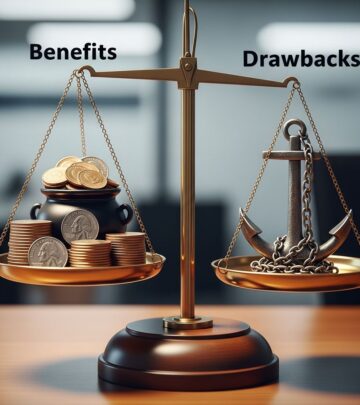
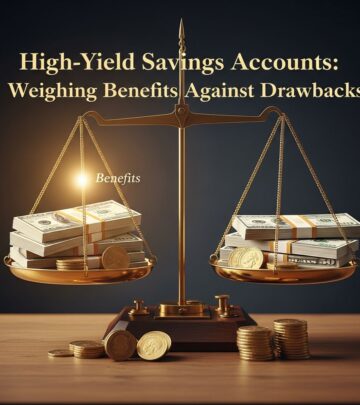
Key Benefits of High-Yield Savings Accounts
High-yield savings accounts offer numerous advantages for individuals looking to improve their financial position:
Higher Interest Rates
The most obvious benefit is the significantly higher interest rates compared to traditional savings accounts. Over time, this difference compounds substantially, allowing your money to grow faster and more effectively.
FDIC Protection
Most high-yield savings accounts are FDIC-insured, protecting deposits up to $250,000 per depositor, per institution. This ensures your money is safe even if the bank fails, providing peace of mind and security.
Liquidity and Accessibility
Unlike certificates of deposit that lock your money for a specific term, high-yield savings accounts allow you to access your funds whenever needed without penalties or forfeiture of interest earned. This flexibility makes them ideal for emergency funds or short-term savings goals.
No Minimum Balance Requirements
Many high-yield savings accounts have no minimum balance requirements, allowing anyone to open an account and start earning immediately, regardless of initial deposit amount.
Easy Account Management
Most online banks offering high-yield savings accounts provide user-friendly digital platforms for account management, transfers, and monitoring your earnings in real-time.
Potential Risks and Limitations
While high-yield savings accounts are generally safe and beneficial, they do come with some considerations:
Interest Rate Fluctuations
Interest rates on high-yield savings accounts are variable, meaning they can change at any time. The Federal Reserve’s interest rate decisions directly impact the rates offered by banks. When the Fed raises rates, banks may increase their savings rates. Conversely, when rates decrease, your earnings may diminish.
Low Returns During Economic Downturns
During periods of economic weakness or recession, interest rates typically decline, which reduces the earnings potential of your high-yield savings account. Your returns may not keep pace with inflation during these periods.
Limited Transaction Flexibility
Some high-yield savings accounts may limit the number of transfers or withdrawals allowed per month, though this varies by institution and regulatory changes.
Potential Fees
While many high-yield savings accounts charge no monthly maintenance fees, some may impose charges for certain transactions or if you fail to meet specific requirements.
Comparing High-Yield Savings Accounts
When choosing a high-yield savings account, it’s essential to compare various factors:
| Factor | Importance | What to Look For |
|---|---|---|
| APY Rate | Critical | Compare current rates across multiple institutions |
| FDIC Insurance | Essential | Verify coverage up to $250,000 |
| Fees | Important | Check for monthly maintenance or transaction fees |
| Minimum Balance | Moderate | Prefer accounts with no minimum requirement |
| Customer Service | Important | 24/7 support through phone, email, or chat |
Who Should Consider High-Yield Savings Accounts?
High-yield savings accounts are suitable for various individuals:
- Emergency Fund Builders: Those establishing or maintaining an emergency fund can earn interest while keeping money accessible
- Conservative Investors: Risk-averse individuals seeking stable returns without market exposure
- Short-Term Savers: People saving for upcoming expenses like home down payments or vehicle purchases
- Cash Reserve Holders: Individuals with idle cash looking to generate passive income safely
- Retirees: Those seeking steady, predictable income without taking investment risks
High-Yield Savings vs. Other Investment Options
Understanding how high-yield savings accounts compare to other financial products helps inform your decision:
High-Yield Savings vs. Regular Savings Accounts
High-yield savings accounts offer significantly better interest rates, often 10-100 times higher than traditional savings accounts. However, the trade-off is that they may be offered primarily by online banks with less personal interaction.
High-Yield Savings vs. Money Market Accounts
Both offer competitive rates, but money market accounts may require higher minimum balances and offer limited check-writing privileges. High-yield savings accounts typically provide greater accessibility and flexibility.
High-Yield Savings vs. Certificates of Deposit
CDs often offer slightly higher rates but lock your funds for a specific term. High-yield savings accounts provide liquidity at competitive rates, making them more flexible for uncertain circumstances.
High-Yield Savings vs. Money Market Funds
Money market funds are subject to market fluctuations and not FDIC-insured, whereas high-yield savings accounts provide guarantee security and stable returns.
How to Open a High-Yield Savings Account
Opening a high-yield savings account is typically a simple process:
- Research and compare various online banks and their current rates
- Select an institution that meets your requirements
- Visit the bank’s website and click “Open an Account”
- Provide personal information (name, address, Social Security number, employment details)
- Verify your identity through the bank’s authentication process
- Link an external bank account for initial funding
- Make your first deposit
- Complete account setup and begin earning interest
Tips for Maximizing High-Yield Savings Account Returns
To get the most from your high-yield savings account:
- Shop Around Regularly: Interest rates change frequently; compare rates across multiple institutions quarterly
- Maintain Multiple Accounts: If you have more than $250,000, consider opening accounts at different banks to maximize FDIC coverage
- Automate Deposits: Set up automatic transfers to your high-yield savings account to ensure consistent saving
- Monitor Rate Changes: Stay informed about Federal Reserve decisions and economic conditions affecting interest rates
- Combine Strategies: Use high-yield savings for emergency funds and short-term goals while investing longer-term funds elsewhere
Frequently Asked Questions (FAQs)
Q: Are high-yield savings accounts safe?
A: Yes, high-yield savings accounts at FDIC-insured banks are safe up to $250,000 per depositor. FDIC insurance protects your money even if the bank fails. Always verify FDIC insurance status before opening an account.
Q: Can interest rates change on high-yield savings accounts?
A: Yes, interest rates are variable and can change at any time. Banks adjust rates based on Federal Reserve decisions and market conditions. Your bank should notify you of any rate changes.
Q: How often is interest compounded?
A: Most high-yield savings accounts compound interest daily and credit it monthly to your account. Daily compounding maximizes your earnings compared to less frequent compounding schedules.
Q: Do I need a minimum balance to earn interest?
A: Many high-yield savings accounts have no minimum balance requirement. However, some institutions may require a small minimum deposit to open an account or to earn the advertised rate.
Q: Can I access my money anytime?
A: Yes, high-yield savings accounts provide full liquidity. You can withdraw funds anytime without penalties or losing accrued interest, making them ideal for emergency funds.
Q: How do I report interest earned for taxes?
A: Banks report interest earnings on Form 1099-INT. Any interest earned above $10 must be reported to the IRS. Interest income is taxed as ordinary income at your marginal tax rate.
References
- Deposit Insurance Coverage — Federal Deposit Insurance Corporation (FDIC). Updated 2025. https://www.fdic.gov/resources/deposit-insurance/
- What Are Current Interest Rates? — Board of Governors of the Federal Reserve System. Updated 2025. https://www.federalreserve.gov/monetarypolicy/openmarket.htm
- High-Yield Savings Accounts: Benefits and Considerations — Consumer Financial Protection Bureau (CFPB). Updated 2024. https://www.consumerfinance.gov/
- Publication 17: Your Federal Income Tax — Internal Revenue Service (IRS). 2024. https://www.irs.gov/publications/p17
- Understanding APY and Interest Rates — Office of the Comptroller of the Currency (OCC). Updated 2024. https://www.occ.gov/
Similar Articles








Read full bio of Sneha Tete