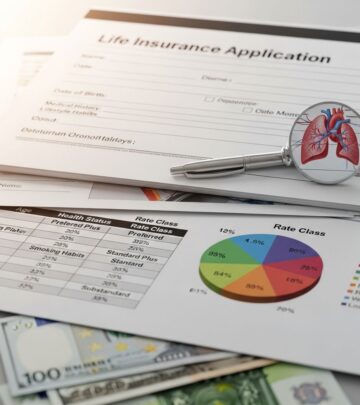
High-Risk Life Insurance Guide
Navigate life insurance options for high-risk applicants with health issues, dangerous jobs, or risky hobbies—find affordable coverage today.

Individuals classified as high-risk for life insurance often face unique challenges due to health conditions, occupational hazards, or lifestyle choices that insurers view as elevating mortality risk. Despite these factors, coverage remains accessible through specialized policies and tailored underwriting processes.
Defining High-Risk Status in Life Insurance
Insurers assess applicants’ life expectancy during underwriting to assign them to risk classes, ranging from preferred to substandard. High-risk applicants typically fall into substandard or rated categories because factors like chronic illnesses or perilous jobs suggest a shorter lifespan, prompting higher premiums to offset insurer liability.
Underwriting involves scrutinizing medical history, family genetics, current health metrics, and behavioral patterns. A body mass index over 30, for instance, or a history of tobacco use can trigger elevated risk ratings.
Common Medical Conditions Impacting Eligibility
Pre-existing health issues form the primary basis for high-risk designations. Insurers examine records for conditions that correlate with premature death.
- Cardiovascular Issues: Heart disease, prior heart attacks, or congestive heart failure significantly raise premiums or limit options, as these predict reduced longevity.
- Cancer History: Survivors must provide pathology reports and evidence of remission to mitigate perceived ongoing risk.
- Diabetes: Both Type 1 and Type 2 require recent A1C levels and management proof; uncontrolled cases lead to steep rates.
- Respiratory Disorders: COPD or chronic conditions demanding continuous treatment classify applicants as higher risk.
- Neurological and Autoimmune Diseases: ALS, Crohn’s, kidney, or liver diseases necessitate detailed specialist reports.
- Mental Health and Substance Issues: Conditions like HIV, stroke history, or past drug use are evaluated alongside treatment adherence.
Family medical history also factors in, as genetic predispositions to diseases like heart conditions can indirectly elevate risk even without personal diagnosis.
Occupational Hazards and Their Insurance Implications
Certain professions inherently increase accidental death probabilities, leading to rated policies. Underwriters categorize jobs by danger level, adjusting premiums accordingly.
| Low-Risk Jobs | High-Risk Jobs | Premium Impact |
|---|---|---|
| Office Worker | Firefighter | 50-200% Increase |
| Teacher | Logger | Substandard Class |
| Accountant | Oil Rig Worker | Case-by-Case Rating |
Proof of safety protocols or union protections can sometimes soften these adjustments.
Lifestyle Choices and Hobbies That Raise Red Flags
Beyond health and work, personal habits influence risk profiles. Smoking or excessive alcohol consumption is scrutinized, with definitions varying by carrier—some count nicotine replacement as tobacco use.
Dangerous hobbies like skydiving, scuba diving, or rock climbing statistically heighten accidental death odds, prompting premium surcharges or specialized riders.
- Regular participation in extreme sports may require hobby questionnaires.
- Driving records with DUIs or violations add further scrutiny.
- Obesity, often tied to lifestyle, exceeds BMI thresholds for standard rates.
Available Policy Types for High-Risk Applicants
High-risk individuals aren’t excluded from coverage; options span traditional term life to simplified alternatives.
Term Life with Full Underwriting
These provide temporary coverage at potentially rated rates after comprehensive exams and records review. Best for those with managed conditions.
Guaranteed Issue and Final Expense Policies
No-exam options like guaranteed issue offer small death benefits (up to $25,000) without health questions, ideal for seniors or severe cases, though premiums are higher and graded death benefits apply initially.
No-Medical-Exam Policies
Simplified issue policies skip exams but use questionnaires and prescription checks. Faster approval suits moderate risks, at a cost premium.
Navigating the Application Process Step-by-Step
Preparation accelerates approvals and improves outcomes for high-risk cases.
- Evaluate Needs: Calculate coverage based on debts, income replacement, and final expenses.
- Compile Records: Assemble medical summaries, lab results, meds lists, and financial docs.
- Engage an Agent: Independent brokers access multiple carriers specializing in substandard risks.
- Submit Application: Detail health, lifestyle, and occupation honestly to avoid denials.
- Undergo Exam if Required: Hydrate, disclose management strategies, and request results copies.
Essential Documentation Checklist
- Primary care and specialist records
- Recent labs (A1C, stress tests)
- Medication inventories
- Hospital summaries
- Income verification
- Condition-specific proofs (e.g., cancer remission docs)
Tips to Potentially Lower Premiums
Proactive health management can shift risk classes favorably.
- Demonstrate condition control via logs and checkups.
- Adopt healthier habits: quit smoking, exercise, balanced diet.
- Highlight safety in hobbies/jobs with certifications.
- Shop via agents for competitive quotes.
Understanding Risk Classes and Premium Adjustments
| Risk Class | Description | Typical Premium Multiplier |
|---|---|---|
| Preferred | Excellent health | Base Rate |
| Standard | Average health, minor issues | 1.5x Base |
| Preferred Standard | Well-managed mild risks | 1.25x Base |
| Substandard/Table Rated | High-risk factors | 2-5x Base or More |
Ratings like Table 2 add 50% to base premiums per table step.
Frequently Asked Questions (FAQs)
Can high-risk applicants get life insurance?
Yes, through rated policies, no-exam options, or specialized carriers.
What jobs are considered high-risk?
Professions like firefighting, logging, or piloting due to injury/death probabilities.
Do I need a medical exam?
Not always; no-exam policies exist but cost more.
How does family history affect approval?
It can elevate risk if indicating genetic vulnerabilities.
Can lifestyle changes help?
Yes, quitting smoking or managing BMI can improve classifications.
Final Considerations for Securing Coverage
High-risk status complicates but doesn’t preclude life insurance. Thorough preparation, agent expertise, and honest disclosure pave the way to suitable protection. Compare options diligently to balance cost and coverage adequacy.
References
- Life Insurance for High-Risk Individuals (2026 Guide) — MoneyGeek. 2026. https://www.moneygeek.com/insurance/life/life-insurance-for-high-risk-applicants/
- Life Insurance for High-Risk Applicants: What You Need to Know — Policygenius. 2026. https://www.policygenius.com/life-insurance/high-risk-life-insurance/
- Life Insurance for High-Risk Applicants — Aflac. 2026. https://www.aflac.com/resources/life-insurance/life-insurance-for-high-risk-applicants.aspx
- What to expect if you’re a high-risk life insurance applicant — Thrivent. 2026. https://www.thrivent.com/insights/life-insurance/what-to-expect-if-youre-a-high-risk-life-insurance-applicant
- What Conditions Disqualify You From Life Insurance? — Health Guys. 2026. https://www.healthguys.com/blog/what-conditions-disqualify-you-from-life-insurance/
- Life Insurance for High Risk Applicants — Experian. 2026. https://www.experian.com/blogs/ask-experian/life-insurance-for-high-risk-applicants/
- 3 Solutions You Can Offer for High Risk Life Insurance Applicants — ELCO Mutual. 2026. https://www.elcomutual.com/blog/solutions-for-high-risk-life-insurance-applicants
Similar Articles








Read full bio of medha deb