High-Risk Homeowners Insurance Explained
Discover when you need high-risk homeowners insurance, what qualifies your property, and strategies to secure affordable coverage in challenging areas.

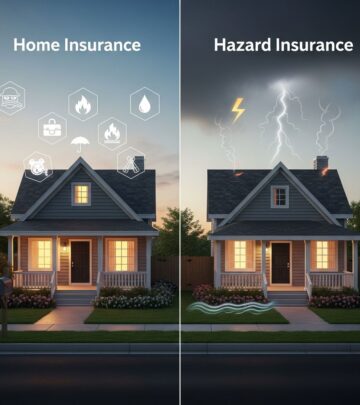
High-risk homeowners insurance refers to policies for properties or owners deemed more likely to file claims, resulting in higher premiums or limited standard carrier options. These policies cover the same core protections as standard ones but come at a steeper cost due to elevated risk assessments by insurers.
Key Factors That Classify a Home as High-Risk
Insurers evaluate multiple elements to determine risk levels, focusing on both property characteristics and owner profiles. Understanding these can help homeowners anticipate challenges and take proactive steps.
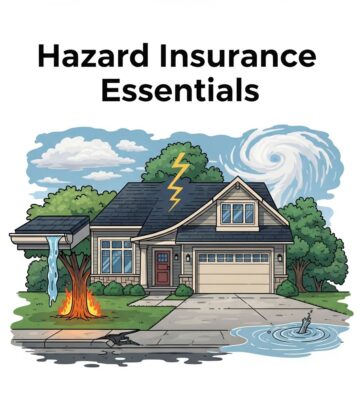
- Geographic Vulnerabilities: Properties in zones prone to natural disasters like hurricanes, wildfires, earthquakes, or floods face automatic scrutiny. For instance, coastal regions in Florida or wildfire areas in California often see premiums rise by 20-50% or more.
- Structural and Maintenance Issues: Older homes with cracked foundations, outdated wiring like knob-and-tube, or deteriorating roofs signal higher claim probabilities. Neglected septic systems or poor overall upkeep exacerbate this.
- Crime and Neighborhood Risks: High-crime areas increase theft and vandalism likelihood, pushing homes into high-risk categories.
- Non-Standard Occupancy: Vacation homes, rentals, or construction sites lack full-time oversight, raising risks of undetected damage like burst pipes or break-ins.
- Attractive Nuisances: Features such as pools, trampolines, or certain dog breeds (e.g., those deemed aggressive) heighten liability concerns.
Homeowner Characteristics Influencing Risk Ratings
Beyond the property, personal factors play a significant role. Insurers review credit history, claims records, and even pet ownership to gauge reliability.
| Factor | Impact on Risk | Example |
|---|---|---|
| Poor Credit Score | Leads to higher premiums regardless of property condition | Blemished reports signal potential for frequent claims |
| Multiple Past Claims | Flags pattern of losses, often resulting in non-renewal | Two or more claims in five years can trigger high-risk status |
| High-Risk Pets | Increases liability exposure | Breeds like pit bulls may void coverage or raise costs |
| Vacant Property | Heightens undetected damage risks | Requires specialized vacant home policies |
Coverage Details in High-Risk Policies
High-risk designation does not alter the fundamental coverages available; it typically mirrors a standard HO-3 policy but with caveats like higher deductibles or exclusions for certain perils. Core protections include:
- Dwelling Coverage (A): Rebuilds the home’s structure after perils like fire, wind, or theft.
- Other Structures (B): Protects detached buildings like garages or sheds.
- Personal Property (C): Replaces belongings damaged in covered events.
- Loss of Use (D): Covers temporary housing and meals during repairs.
- Liability (E) and Medical Payments (F): Handles lawsuits or guest injuries on the property.
However, high-risk homes may face restrictions, such as no coverage for earthquakes or floods, which require separate policies.
Navigating Insurance Challenges for High-Risk Properties
When standard insurers decline coverage or non-renew policies— as seen with nearly 2 million cancellations from 2018-2023 due to climate risks—homeowners must explore alternatives. Premiums for high-risk policies can exceed standard rates by 40-50%, driven heavily by location (40-50% of the calculation).
State FAIR Plans: A Safety Net for the Uninsurable
Fair Access to Insurance Requirements (FAIR) Plans, mandated in most states, provide basic property insurance to those unable to secure private coverage. Operated as insurer-backed pools, they focus on fire, lightning, and extended perils but offer limited liability and no wind or flood protection in some areas. Coverage varies by state; for example, California’s FAIR Plan has grown amid wildfire surges.
- Eligibility: Typically for homes rejected by multiple private carriers.
- Costs: Often 2-3 times higher than standard policies.
- Limitations: Basic coverage only; supplements needed for full protection.
Specialty Insurers and Surplus Lines
Beyond FAIR Plans, surplus lines carriers specialize in high-risk properties, offering customized policies. These non-admitted insurers bypass state rate regulations, enabling coverage for extreme cases like severe structural damage or repeated claims history.
Strategies to Reduce Risk and Lower Premiums
Proactive measures can shift a property from high-risk to standard insurability, potentially saving thousands annually.
- Invest in Upgrades: Replace old roofs (every 20-30 years), update electrical systems, and install storm-resistant features like impact windows.
- Mitigate Disaster Risks: Clear brush around wildfire-prone homes, elevate structures in flood zones, or add seismic retrofitting.
- Enhance Security: Install alarms, deadbolts, and surveillance to combat crime risks.
- Improve Credit and Claims History: Pay bills on time and bundle policies to demonstrate low risk.
- Shop Aggressively: Compare quotes from multiple carriers, as risk thresholds vary.
Table of Potential Savings from Mitigations:
| Mitigation | Estimated Premium Reduction | Source Insight |
|---|---|---|
| New Roof | 10-25% | Reduces weather claim likelihood |
| Security System | 5-15% | Lowers theft risks |
| Wildfire Defensible Space | 15-30% | Critical in high-fire zones |
| Impact Windows | 20-40% | Hurricane protection |
Frequently Asked Questions (FAQs)
What exactly is high-risk homeowners insurance?
It’s not a distinct policy type but standard coverage for properties or owners with elevated claim probabilities, leading to higher costs or alternative providers.
Can I get insurance for a vacant high-risk home?
Yes, but expect specialized policies with higher rates due to increased vulnerability to damage.
Is FAIR Plan insurance cheaper than private options?
No, it’s often more expensive and provides basic coverage only; use it as a last resort.
How does credit affect my home insurance rates?
Poor credit can increase premiums by indicating higher claim risk, even without prior losses.
What if my home is uninsurable by private carriers?
Turn to state FAIR Plans or surplus lines insurers for basic protection.
Long-Term Trends and Future Outlook
Climate change is intensifying high-risk designations, with states like Florida facing over $300 billion in hurricane damages since 2000 and 36 disaster declarations. Insurers are retreating from vulnerable markets, pushing more homeowners toward FAIR Plans. About 10% of U.S. properties now require such coverage, concentrated in coastal and wildfire states.
Homeowners should monitor state insurance department updates and consider long-term resilience investments. Bundling with auto insurance or participating in community mitigation programs can further stabilize rates.
References
- What is High-Risk Homeowners Insurance? — Kneller Insurance. 2023. https://www.knellerins.com/blog/what-is-high-risk-homeowners-insurance
- High-Risk Home Insurance — Kin Insurance. 2024. https://www.kin.com/blog/high-risk-homeowners-insurance/
- High Risk Homeowners Insurance — Allstate. 2024. https://www.allstate.com/resources/home-insurance/high-risk-homeowners-insurance
- What’s Considered High-Risk for Homeowners Insurance? — Florida Builders Insurance. 2023. https://fbia.com/blog/high-risk-homeowners-insurance/
- Do I Need High-Risk Homeowners Insurance? — LendingTree. 2024. https://www.lendingtree.com/home-insurance/high-risk-homeowners-insurance/
- High-Risk Home Insurance: What You Need to Know — Insurance Brokers of AZ. 2023. https://insurancebrokersofaz.com/high-risk-home-insurance-what-you-need-to-know/
- High-Risk Home Insurance: What’s the FAIR Plan? — The Zebra. 2024. https://www.thezebra.com/homeowners-insurance/policies/fair-plan-high-risk-insurance/
Similar Articles








Read full bio of medha deb