6 Reasons to Wait to Renovate Because of High Cost of Lumber
Lumber prices are sky-high right now. Here are six reasons why you should hold off on that home renovation project until they drop.
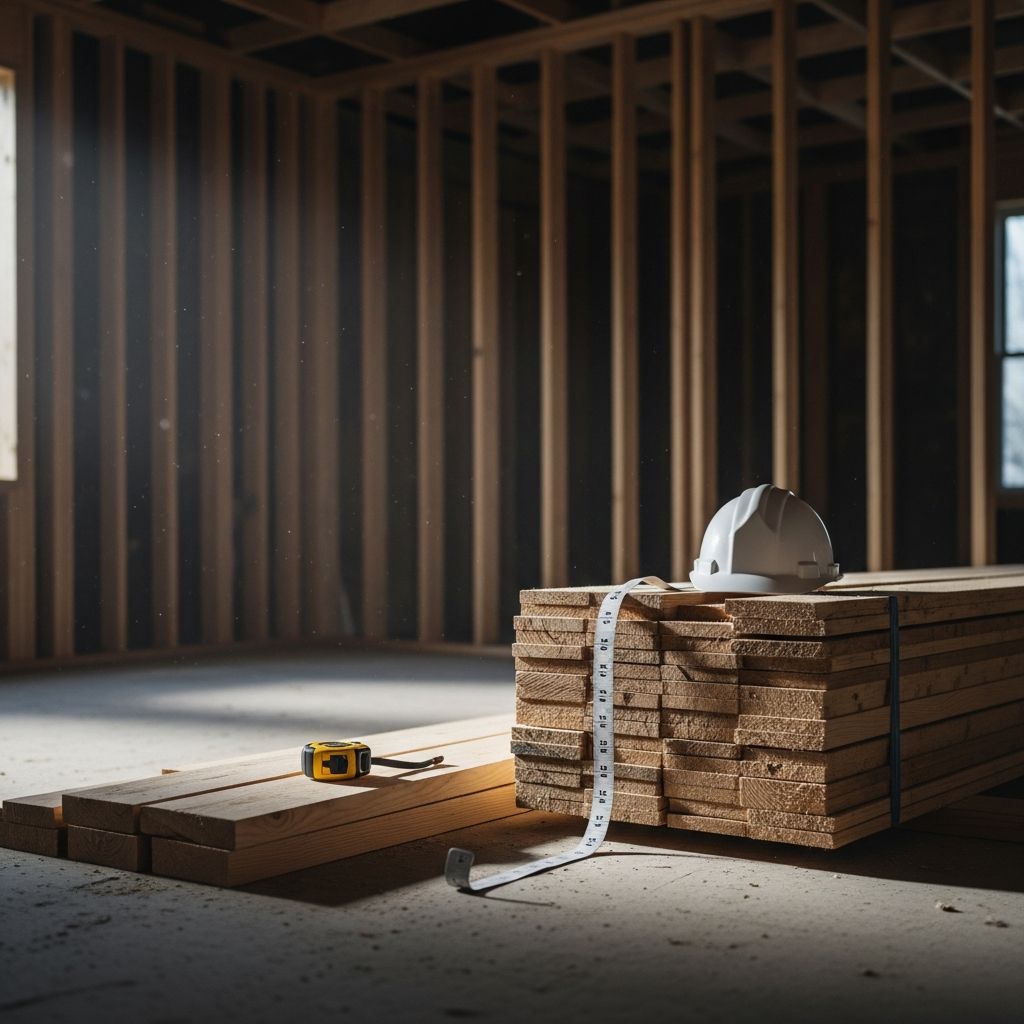
Lumber prices have skyrocketed in recent years, reaching levels that make even simple home improvement projects feel like luxury expenses. What was once an affordable material for DIY enthusiasts and contractors alike has become a budget-busting necessity. According to data from the U.S. Bureau of Labor Statistics, lumber prices peaked at over $1,600 per thousand board feet in 2021, more than quadruple their pre-pandemic levels. This surge isn’t just a blip—it’s driven by supply chain disruptions, surging demand from the housing boom, and labor shortages across the industry. For homeowners eyeing deck builds, kitchen remodels, or simple fence repairs, the timing couldn’t be worse.
But here’s the good news: experts predict prices will eventually fall as supply catches up and market dynamics shift. “Lumber prices will fall,” noted industry analyst Jepsen. “Supply will pick up, DIYers will go back to the office, and things will somewhat normalize.” However, the effects of inflation and sticky inventory mean the drop won’t happen overnight. In the meantime, rushing into renovations could mean paying premium prices for materials that depreciate rapidly. Below, we outline six compelling reasons to hit pause on your project plans.
1. Prices Are Still Near Record Highs
The most obvious reason to wait is that lumber prices remain elevated. Even as futures contracts have declined over 60% from their peaks, retail prices at stores like Home Depot and Lowe’s haven’t budged much due to ‘sticky pricing’. Retailers purchased inventory at peak rates—around $1,400 per thousand board feet earlier this year—and average those costs into current sales. With demand down from a cooling housing market, they’re selling slower, prolonging high prices to avoid losses.
Consider a basic deck project: A 10×12-foot deck might require 500 board feet of pressure-treated lumber. At current prices averaging $25 per board foot (versus $5 pre-pandemic), that’s an extra $10,000 on materials alone. Government reports from the U.S. Department of Agriculture confirm sawmill production curtailments are keeping supply tight, preventing deeper discounts. Waiting could save thousands as older stock clears.
2. Housing Market Slowdown Means Less Demand—and Eventual Price Relief
The U.S. housing market, the primary driver of lumber demand, is cooling fast. New home starts are down significantly, with purchases dropping amid high interest rates and economic uncertainty. This reduced demand is already pressuring futures prices lower, but retail lags behind. Mills are responding by cutting production to match lower orders, which paradoxically supports prices short-term but sets the stage for drops as efficiencies improve.
For renovators, this translates to a waiting game. The National Association of Home Builders reports builder confidence at multi-year lows, with material costs cited as a top concern. Once inventory turnover accelerates—likely at smaller yards faster than big boxes—prices should follow suit.
3. Supply Chain Issues Persist
Global supply chains haven’t fully recovered from pandemic disruptions. Canadian mills, which supply 25% of U.S. lumber, face labor shortages and wildfires, while U.S. mills grapple with rising energy and wage costs. Freight expenses, though lower with cheaper gas, still add premiums. The Random Lengths lumber report (a key industry benchmark) shows wholesale prices sticky due to these factors.
DIYers should note: Sheet goods like plywood have dipped slightly, but dimensional lumber (2x4s, 2x6s) holds firm. Patience pays as ports unclog and mills ramp up.
4. Inflation Across the Board Amplifies Costs
Lumber isn’t the only rising expense. Labor wages have jumped 20-30% post-pandemic, nails and fasteners are up 50%, and fuel surcharges linger. Contractors pass these on, inflating total project bids. A kitchen remodel that cost $20,000 in 2020 might now exceed $35,000, per HomeAdvisor data. Waiting allows these pressures to ease as the Federal Reserve tames inflation.
| Material | 2020 Price (per unit) | 2024 Price (per unit) | Increase |
|---|---|---|---|
| 2x4x8 Lumber | $3.50 | $7.50 | 114% |
| Plywood 4×8 Sheet | $25 | $45 | 80% |
| Framing Nails (50lb) | $20 | $35 | 75% |
| Contractor Labor (per day) | $250 | $350 | 40% |
Note: Prices approximate based on national averages from retailer data and USDA reports.
5. DIY Boom Fading, But Inventory Lingers
The pandemic sparked a DIY surge, with Google searches for ‘build a deck’ up 300%. But as remote work wanes and offices reopen, weekend warriors are returning to desks. This demand drop means slower sales of high-cost inventory. Smaller lumber yards may discount sooner to move stock, so shop local.
6. Long-Term Forecasts Predict Normalization
Analysts from the Western Wood Products Association forecast prices stabilizing 30-50% below peaks by mid-2025 as supply ramps up. Mills are investing pandemic profits in efficiency upgrades, lowering production costs long-term. Economic wildcards like recessions could accelerate drops by further curbing construction.
In summary, while frustrating, waiting positions you for savings. Monitor futures via CME Group and shop sales in the interim.
Frequently Asked Questions (FAQs)
When will lumber prices drop?
Experts predict meaningful declines by late 2025 as inventory clears and supply increases, though volatility persists.
Should I buy lumber now or wait?
If not urgent, wait—prices are sticky upward but expected to fall with housing slowdown.
How much has lumber increased?
Up 300-400% from pre-2020 levels at peaks, still 100-200% higher today.
Are there alternatives to lumber?
Consider composites, metal framing, or recycled materials, though upfront costs may be higher.
Will prices ever return to normal?
Yes, normalization expected as markets balance, per USDA and industry forecasts.
References
- Consumer Price Index: Lumber and Wood Products — U.S. Bureau of Labor Statistics. 2024-01-10. https://www.bls.gov/cpi/
- Lumber Market Update — U.S. Department of Agriculture, Forest Service. 2024-12-01. https://www.fia.fs.usda.gov/lumber-market-news
- Random Lengths Year in Review — Random Lengths. 2024-11-15. https://www.randomlengths.com/
- NAHB Builder Economic Survey — National Association of Home Builders. 2025-01-01. https://www.nahb.org/news-and-economics
- Western Wood Products Association Market Report — WWPA. 2024-12-20. https://www.wwpa.org/publications/market-reports
Similar Articles








Read full bio of medha deb