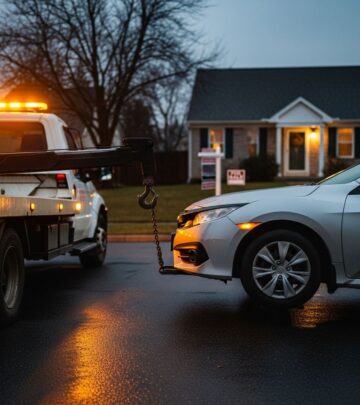
Does Hiding a Car to Avoid Repossession Actually Work?
Discover why hiding your car from repossession is ineffective and explore legitimate alternatives.

When facing financial hardship and the threat of car repossession, many borrowers consider hiding their vehicle as a temporary solution to buy time and catch up on missed payments. However, the reality of hiding a car from repossession is far more complicated and potentially damaging than most people realize. Modern repossession practices, legal frameworks, and tracking technology make hiding a vehicle an ineffective strategy that often results in additional legal and financial consequences.
Understanding the limitations of hiding your car, the methods repossession agents use to locate vehicles, and the legal implications of such actions is crucial for anyone struggling with car loan payments. This comprehensive guide explores whether hiding a car works and what alternatives may better serve your financial situation.
The Reality of Hiding Your Vehicle
Hiding a car from repossession sounds like a practical solution on the surface, but professional repossession agents are experienced at locating vehicles using sophisticated methods and extensive knowledge of common hiding spots. These professionals do this work regularly and understand the tactics borrowers attempt to avoid repossession. The reality is that hiding your vehicle rarely succeeds in the long term and often creates more problems than it solves.
Most attempts to hide a car involve parking it in a garage, behind a house, in the woods on your property, or leaving it at a neighbor’s location or workplace. However, repossession companies have access to resources and techniques that make finding hidden vehicles relatively straightforward. They can watch your home, track your daily routines, monitor your workplace, and even follow family members to discover where you might have stored the vehicle.
How Repossession Agents Find Hidden Cars
Repossession agents employ numerous methods to locate vehicles that borrowers attempt to hide:
- Surveillance of your home and workplace to establish your daily patterns and schedule
- Investigation of family members’ and friends’ residences where you might store the vehicle
- Monitoring of parking areas at your workplace, grocery stores, and other frequent locations
- Use of GPS trackers installed by lenders on the vehicle itself
- Repossession from your driveway, garage, or private property without causing damage
- Direct repossession from public spaces where you park
Many modern car loans include GPS tracking devices installed in the vehicle, allowing lenders to monitor its location in real-time. This technology makes hiding a car electronically impossible without detection. Even if you manage to hide your vehicle temporarily, the lender’s technology will continue transmitting the vehicle’s location, making it a matter of time before repossession agents retrieve it.
Legal Consequences of Hiding a Vehicle
One of the most significant risks of hiding a car to avoid repossession is the legal implications, which vary depending on your state and the circumstances of your actions.
Intent to Defraud Matters
In most states, simply hiding or locking up your car won’t violate laws unless you do so with the intent to defraud the bank. The distinction between lawful and illegal hiding often hinges on your intent. If you normally keep your car locked in your garage, you can generally continue this practice without legal repercussions. However, if your actions are deliberately designed to prevent a creditor from accessing a vehicle they legally own, this intent matters significantly.
If a court determines that you acted in bad faith by hiding your vehicle, you may lose your right to recover the car even after it’s discovered. Additionally, the creditor can establish that you intentionally defrauded them, which carries more serious legal consequences.
State-Specific Laws
In some states, deliberately hiding a car from the repossession company is explicitly classified as a crime. The legal status varies significantly by jurisdiction, making it essential to understand your specific state’s laws regarding vehicle concealment during default situations. Before attempting to hide your car, research your state’s statutes or consult with a local attorney to understand the potential criminal exposure.
Replevin: A Costly Alternative for Creditors
When borrowers make it difficult for repossession agents to access a vehicle, creditors often pursue an alternative legal remedy called “replevin.” This process involves the lender filing a lawsuit against you seeking a court order requiring you to return the car. Rather than attempting repossession, the creditor takes the legal route to recovery.
Replevin can be equally or even more costly than traditional repossession. If you fail to comply with a court order issued through replevin proceedings, you face both civil and criminal penalties. The creditor can also obtain a money judgment against you for the balance owed on the loan, plus all associated charges and costs. In essence, hiding your vehicle often accelerates the legal process and increases the total amount you’ll owe.
Breaching the Peace Protections
One legitimate protection available to borrowers involves the concept of “breaching the peace.” In most states, creditors cannot repossess your vehicle if doing so would require them to damage property or breach the peace. If you keep your car locked in a garage or behind a chained gate, the creditor cannot legally break locks, cut chains, or damage property to retrieve the vehicle.
This protection, however, only applies if you’re not deliberately attempting to defraud the lender. Additionally, creditors can circumvent this limitation through replevin proceedings, which eliminate the need for forcible repossession. Therefore, while breaching the peace protections exist, they don’t ultimately prevent creditors from recovering the vehicle through legal channels.
The Financial Consequences of Hiding Your Car
Beyond legal issues, hiding a vehicle creates additional financial burdens:
- Extra fees charged by the creditor for the excessive time required to locate your vehicle, which gets passed to you
- Replevin lawsuit costs if the creditor pursues legal action
- Increased total debt amount including repossession fees, storage fees, and legal costs
- Damage to your credit score for up to seven years following repossession
- Potential deficiency balance owed after the lender sells the vehicle at auction
The longer you successfully hide your vehicle, the higher the fees and costs accumulate. These expenses don’t disappear even if you eventually locate funds to catch up on payments. The creditor will pursue recovery of all costs associated with locating and repossessing the vehicle.
Better Alternatives to Hiding Your Vehicle
Rather than attempting to hide your car, several legitimate alternatives exist that can better protect your interests:
Contact Your Lender Directly
Many creditors are willing to work with borrowers facing financial difficulties, especially if doing so means they’ll eventually receive payment. Communicating with your lender about your situation provides opportunities for negotiation that hiding your vehicle never will. Lenders often offer more flexible solutions than borrowers expect, including:
- Grace periods to catch up on missed payments
- Modified payment plans with reduced monthly obligations
- Temporary payment deferrals
- Loan restructuring to extend the repayment period
Catch Up on Payments
If your financial situation has temporarily improved, paying the outstanding balance plus any accumulated late fees may reinstate your loan and prevent repossession. Contacting your lender about the exact payoff amount and payment procedures should be your first step.
Refinance Your Loan
In some cases, refinancing your car loan with a different lender can provide relief. A new loan with better terms or a lower interest rate might reduce your monthly payment to a manageable level. However, this option requires that your credit hasn’t already been severely damaged by missed payments.
Sell the Vehicle
If you can sell your car for an amount exceeding what you owe, you can pay off the loan and eliminate the default situation entirely. Before proceeding, check with your lender about the payoff amount and the process for transferring the title. Some lenders even assist borrowers with selling vehicles to avoid repossession.
Voluntary Surrender
Voluntarily returning your car to the lender, known as voluntary surrender, can be less damaging than forced repossession. While it still negatively impacts your credit, this approach offers several advantages:
- Potentially lower fees than forced repossession costs
- Greater control over when and how you return the vehicle
- Possible goodwill from the lender, which may help in negotiating remaining balances
- Reduced costs for the lender, which might result in owing less money afterward
File for Bankruptcy Protection
Filing for bankruptcy triggers an “automatic stay,” which legally stops creditors from attempting collection activities, including repossession, at least temporarily. Chapter 13 bankruptcy, in particular, allows you to restructure your car loan and resume regular payments while catching up on arrears through a court-approved plan. This option should only be considered after consulting with a bankruptcy attorney, as it carries significant long-term financial consequences.
Protecting Your Rights During Repossession
If repossession occurs despite your efforts, understanding your rights provides some protection. Repossession agents cannot:
- Break into your locked garage or home
- Use or threaten violence
- Take the car if you verbally object at the moment of repossession
- Enter your home without permission
- Damage your property while taking the vehicle
If repossession agents violate these rights, document the violations carefully and consult with a consumer rights attorney about potential legal recourse. You also have the right to remove personal belongings from your car before it’s towed away. If you weren’t present during repossession, the lender must provide access to retrieve your items.
Frequently Asked Questions
Q: Can I legally hide my car from repossession?
A: In most states, hiding your car without intent to defraud is technically legal. However, some states explicitly classify deliberate concealment as a crime. The key factor is your intent—if you’re attempting to defraud the lender, legal consequences can follow even in permissive states. Consult your state’s laws or an attorney to understand your specific situation.
Q: Will GPS tracking help me hide my car from the repo man?
A: No. Most modern car loans include GPS trackers installed by the lender, allowing real-time location monitoring. These devices make electronic hiding impossible. The tracker will continue transmitting your vehicle’s location regardless of where you park it, making it a matter of time before repossession agents retrieve it.
Q: What happens if I hide my car and the repo man finds it anyway?
A: If your car is found after you’ve hidden it, the creditor will likely charge you additional fees for the extra time and resources spent locating it. These costs get passed to you, increasing your total debt. Additionally, if a court finds you acted in bad faith, you may lose your right to recover the vehicle even after paying off the loan.
Q: Can my lender use replevin if I hide my car?
A: Yes. When hiding makes traditional repossession difficult, creditors often pursue replevin—a legal action requiring you to return the car through court order. Replevin can be equally or more expensive than repossession, and failure to comply carries both civil and criminal penalties.
Q: Is voluntary surrender better than hiding my car?
A: Yes. Voluntary surrender is significantly better than hiding. While both negatively impact your credit, voluntary surrender typically results in lower fees, gives you control over the process, and may create goodwill with the lender for future negotiations. Hiding your car only delays inevitable repossession while accumulating additional costs.
Q: What should I do instead of hiding my car?
A: Contact your lender immediately to discuss your situation. Most creditors prefer working out payment arrangements over repossession. Other options include catching up on payments if possible, refinancing, selling the vehicle, voluntary surrender, or filing for bankruptcy protection. An attorney can help you evaluate which option best suits your circumstances.
References
- What Happens If I Try to Hide the Car From the Repo Man? — Nolo. Accessed November 2025. https://www.nolo.com/legal-encyclopedia/what-happens-i-try-hide-the-car-the-repo-man.html
- Should You Hide Your Vehicle From Repossession? — Miller & Miller Law. Accessed November 2025. https://millermillerlaw.com/should-you-hide-your-vehicle-from-repossession/
- Charlotte Bankruptcy Attorney: Ways You Can Stop Repossession — Jack Lezman Bankruptcy Attorney. Accessed November 2025. https://jacklezman.com/charlotte-bankruptcy-attorney-ways-you-can-stop-repossession/
Similar Articles








Read full bio of Sneha Tete