Hidden Costs of Personal Loans: Fees to Avoid
Uncover the sneaky fees in personal loans that can inflate your borrowing costs and learn strategies to minimize them effectively.

Personal loans offer quick access to funds for debt consolidation, home improvements, or emergencies, but various fees can significantly increase the total repayment amount. Understanding these charges helps borrowers make informed decisions and potentially save hundreds or thousands of dollars.
Why Fees Matter in Personal Borrowing
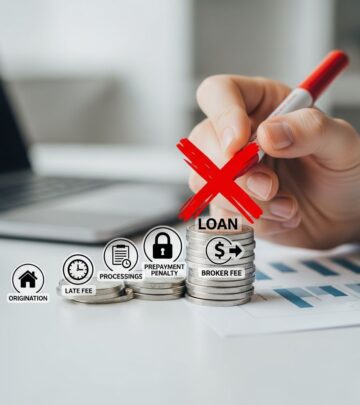
Fees in personal loans are not just minor add-ons; they directly affect the amount you receive and repay. Lenders impose them to cover processing, risk, or administrative expenses. While interest rates grab attention, fees often determine the true affordability of a loan. For instance, a seemingly low-rate loan with high fees can cost more than a higher-rate option with minimal charges.
Borrowers with strong credit profiles typically face lower fees, as lenders view them as lower risk. Conversely, those with weaker credit may encounter steeper charges. Always calculate the annual percentage rate (APR), which incorporates most fees, for a comprehensive cost view.
Origination Fees: The Upfront Hit
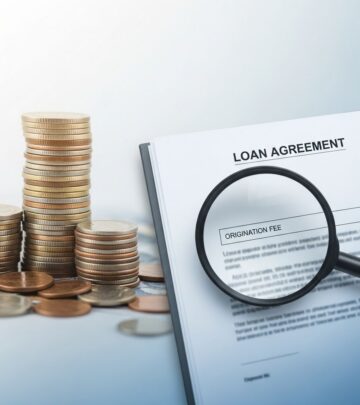
One of the most widespread charges is the origination fee, a one-time cost deducted from your loan proceeds to compensate lenders for processing and underwriting. This fee typically ranges from 1% to 10% of the borrowed amount, though some lenders charge up to 12%.
For example, on a $10,000 loan with a 5% origination fee, you receive only $9,500 while repaying the full $10,000 plus interest. Online lenders often impose higher fees than banks or credit unions, which sometimes waive them entirely.
| Lender Type | Typical Origination Fee Range | Examples |
|---|---|---|
| Online Lenders | 1%-10% | Best Egg: 0.99%-9.99%, LendingClub: 0%-8% |
| Banks/Credit Unions | 0%-5% | Discover: 0%, PenFed: Varies but often low |
| No-Fee Options | 0% | LightStream, SoFi (optional), USAA |
Shop around for lenders offering 0% or low origination fees, especially if borrowing larger sums where even 1% adds up quickly.
Late Payment Penalties: Avoidable but Costly
Missing a payment triggers late fees, usually $15 to $40 per instance, depending on the lender and state regulations. Repeated lateness can also hike your interest rate or harm your credit score, compounding the damage.
Some agreements include a grace period of 10-15 days before fees apply. To dodge these, set up autopay or calendar reminders. Consistent on-time payments not only avoid fees but may qualify you for rate reductions later.
Prepayment Penalties: Traps for Early Repayers
Not all loans penalize early payoff, but those that do charge 2%-5% of the original balance or a flat fee if you repay ahead of schedule. This discourages lenders from losing interest income prematurely.
Federal law bans prepayment penalties on most mortgages, but personal loans lack such protections. Always check the loan agreement for this clause. Opt for penalty-free loans if planning aggressive repayment, like using windfalls or bonuses.
Other Sneaky Charges to Scrutinize
- Application Fees: Rare flat charges ($25-$100) for processing applications. Many lenders skip these to stay competitive.
- Insufficient Funds (NSF) Fees: $25-$35 if autopay fails due to low balance. Align payments with your cash flow.
- Returned Payment Fees: Similar to NSF, charged when payments bounce.
- Administrative or Processing Fees: Sometimes bundled with origination, covering paperwork or servicing.
Review the Truth in Lending Act disclosures, which mandate fee transparency. Question any unclear terms before signing.
Comparing Loan Costs: Tools and Tactics
To evaluate true costs, use APR as your benchmark—it folds in fees and interest. Here’s a comparison table showing how fees alter outcomes for a $10,000 loan over 36 months at 12% interest:
| Scenario | Origination Fee | Amount Received | Monthly Payment | Total Repaid |
|---|---|---|---|---|
| No Fee | 0% | $10,000 | $332 | $11,952 |
| Moderate Fee | 4% ($400) | $9,600 | $332 | $11,952 |
| High Fee + Higher Rate | 0% | $10,000 | $356 | $12,816 |
Data adapted from lender comparisons. Notice how a 4% fee doesn’t change monthly payments but reduces funds received, effectively raising costs.
Strategies to Minimize Personal Loan Fees
Securing a low-fee loan requires preparation:
- Boost Credit Score: Scores above 700 unlock better terms and waivers.
- Pre-qualify Widely: Soft inquiries let you compare without credit hits.
- Prioritize No-Fee Lenders: Credit unions like Alliant or Navy Federal often charge none.
- Negotiate: Strong profiles may yield fee reductions.
- Consider Loan Size: Fees scale with amount; borrow only what’s needed.
Autopay discounts (0.25%-0.50% off rates) further cut expenses.
Impact of Fees on Different Borrowers
Excellent credit (720+) borrowers snag 0%-3% origination and minimal other fees. Fair credit (630-689) faces 4%-8%, while subprime (<630) may hit 10%+. Larger loans amplify fee pain—$50,000 at 6% is $3,000 upfront.
In 2026, with rates stabilizing post-inflation, fee-conscious shopping yields savings amid competitive lending.
FAQs on Personal Loan Fees
Are origination fees tax-deductible?
Generally no, as personal loans aren’t secured like mortgages. Consult a tax advisor for specifics.
Can I avoid all fees?
Yes, many lenders like Discover and LightStream charge none.
How do fees affect my credit?
Late fees can drop scores via payment history. Early payoff without penalties boosts utilization.
What’s the average origination fee?
1%-6% commonly, up to 10%.
Do credit unions have lower fees?
Often yes, with member perks and no-fee options.
Final Thoughts on Smart Borrowing
By dissecting fee structures and comparing APRs, borrowers sidestep pitfalls and optimize loans. Read every agreement meticulously, prioritize no-penalty options, and align repayments with budget. This approach turns personal loans from potential burdens into valuable tools.
References
- Personal Loan Origination Fees: What Borrowers Should Know — SoFi. 2023. https://www.sofi.com/learn/content/personal-loan-origination-fee/
- Origination Fees on Personal Loans: What To Know — LendingTree. 2024. https://www.lendingtree.com/personal/understanding-origination-fees/
- How to Read a Personal Loan Agreement and Its Fees — PenFed Credit Union. 2024. https://www.penfed.org/learn/how-to-read-a-personal-loan-agreement-and-its-fees
- 5 Personal Loan Fees to Watch Out For — Experian. 2025. https://www.experian.com/blogs/ask-experian/personal-loan-fees-you-should-watch-out-for/
- Personal Loans Rates & Fees — LendingClub. 2026. https://www.lendingclub.com/personal-loan/rates-fees
- What Is a Personal Loan Origination Fee? — NerdWallet. 2024. https://www.nerdwallet.com/personal-loans/learn/what-is-an-origination-fee
- Personal Loan Origination Fees: What To Know — Bankrate. 2025. https://www.bankrate.com/loans/personal-loans/personal-loan-origination-fees/
Similar Articles








Read full bio of Sneha Tete