Hidden Advantages of Multiple Credit Cards
Discover overlooked benefits like boosted rewards, better credit health, and financial flexibility from holding several cards wisely.

Many people view multiple credit cards as a potential financial burden, but when managed properly, they offer significant, often overlooked benefits. These advantages include optimized rewards, improved credit profiles, enhanced security, and greater purchasing power. This article delves into these perks, providing strategies to leverage them effectively while avoiding common pitfalls.
Optimizing Rewards Through Strategic Card Selection
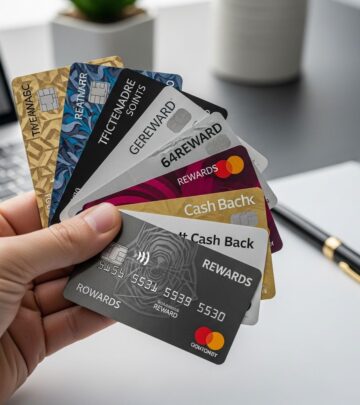
One of the primary draws of holding several credit cards lies in the ability to align spending categories with the most rewarding options available. Different cards specialize in various areas, such as travel, groceries, or dining, allowing users to accumulate points, miles, or cash back at higher rates.
For instance, a card focused on travel might offer airline miles or hotel credits, while another provides elevated cash back on everyday essentials like gas or supermarkets. By designating specific cards for particular purchases, cardholders can amplify their returns significantly. Frequent travelers, for example, benefit from combining airline rewards with hotel-specific perks like room upgrades or free nights.
- Category-specific bonuses: Use a groceries card for supermarket runs to earn 4-6% back, far exceeding flat-rate cards.
- Travel synergies: Pair miles-earning cards with those offering lounge access or insurance for comprehensive trip coverage.
- Seasonal maximization: Rotate cards during promotional periods to stack bonuses on large expenditures like holidays.
This targeted approach not only boosts earnings but also encourages mindful spending, turning routine transactions into valuable assets. Banks like Chase emphasize that multiple cards enable access to travel-specific perks unavailable on single-card portfolios.
Enhancing Credit Health with Lower Utilization Ratios
Credit utilization—the ratio of balances to available credit—plays a crucial role in credit scoring models, accounting for about 30% of FICO scores. Maintaining this below 30% signals responsible borrowing to lenders. Multiple cards naturally expand total available credit, making it easier to keep individual and overall utilization low.
Consider a scenario with a single $3,000-limit card carrying a $1,500 balance: utilization hits 50%, potentially harming scores. Splitting that balance across two $3,000-limit cards drops it to 25% per card, aligning with optimal ranges recommended by Experian and FICO. Even unused cards contribute to available credit, benefiting scores without active spending.
| Scenario | Total Limit | Balance | Utilization | Impact on Score |
|---|---|---|---|---|
| One Card | $3,000 | $1,500 | 50% | Negative |
| Two Cards | $6,000 | $1,500 | 25% | Positive |
| Three Cards | $9,000 | $1,500 | 17% | Highly Positive |
Spreading purchases prevents any single card from maxing out, preserving flexibility during high-spend periods like vacations or emergencies. Wells Fargo notes this strategy demonstrates responsible credit use to lenders, potentially unlocking better loan terms. Citi adds that diversified limits support long-term creditworthiness, provided payments remain timely.
Building a Safety Net with Backup and Fraud Protection
In an era of rising card theft and digital fraud, multiple cards serve as a vital backup system. If one is lost, stolen, or compromised, others ensure uninterrupted access to credit while replacements arrive, often within days.
Assigning cards to specific uses heightens fraud detection: a suspicious electronics charge on a groceries-only card stands out immediately, enabling swift issuer alerts. Synchrony highlights how this categorization flags anomalies quickly, minimizing damage. Bank of America echoes that dedicated cards for online shopping or reserves provide convenience and security.
- Immediate alternatives: Avoid cash advances or declined transactions during travel disruptions.
- Fraud isolation: Limit exposure by compartmentalizing spending categories.
- Replacement buffer: Continue operations seamlessly post-incident.
This redundancy proves invaluable for businesses or high-volume spenders, ensuring operational continuity.
Diversifying Perks for Comprehensive Coverage
Beyond rewards, multiple cards unlock a spectrum of protections and conveniences. Issuers compete with features like extended warranties, purchase protections, travel insurance, cell phone coverage, and merchant discounts.
A single card might offer robust travel insurance but lack cellphone protection; pairing it with another fills gaps. Balance transfer options on select cards allow shifting high-interest debt to 0% APR promotions, saving hundreds in fees. Store cards provide exclusive retail perks, complementing general-use cards’ broader rewards.
East West Bank advises matching cards to lifestyles for perks like anniversary rewards or category bonuses. Strategic selection—researching via issuer sites—maximizes value without proliferation.
Practical Strategies for Effective Management
Reaping benefits requires discipline. Automate payments to sidestep late fees, which comprise 35% of FICO scores. Track due dates via apps, as varying cycles demand vigilance.
Monitor utilization monthly, paying balances in full to avoid interest. Limit new applications to preserve inquiry impacts—space them out, as hard pulls linger two years but affect scores for one. NerdWallet recommends two cards from different issuers for optimal flexibility and risk diversification.
- Assess needs: Inventory spending to select complementary cards.
- Set rules: Designate uses (e.g., gas, travel) per card.
- Review quarterly: Evaluate rewards redemption and close underperformers judiciously.
- Build history: Keep old accounts open to age credit mix positively.
Average Americans hold four cards, per Experian, balancing flexibility with manageability.
Potential Drawbacks and Mitigation Tactics
Multiple cards aren’t risk-free. Overspending temptation rises; counteract with budgets. Annual fees on premium cards demand value justification—calculate effective returns.
New accounts dilute average age (15% of scores), but long-term retention offsets this. Debt accumulation hurts if unpaid; prioritize high-interest payoffs. Responsible users mitigate via tracking tools and full payments.
Real-World Applications Across Lifestyles
Families benefit from kid-specific cards for monitored spending. Travelers layer protections for trips. Small business owners distribute expenses for tax categorization and limits.
Students build history with secured cards alongside rewards ones. Retirees value low-APR backups for emergencies. Tailoring portfolios to phases maximizes utility.
Frequently Asked Questions
How many credit cards is too many?
Ideal numbers vary by income and habits—typically 2-5 for most. Focus on manageability over quantity.
Does applying for cards hurt credit?
Hard inquiries ding scores temporarily (1 year effect). Apply sparingly, prequalify first.
Can multiple cards improve my score?
Yes, via lower utilization and payment history if handled well. Avoid maxing any out.
Are rewards worth multiple cards?
For high spenders, yes—potentially thousands yearly. Calculate based on habits.
What if I miss a payment?
Late fees and score drops follow. Set alerts and autopay to prevent.
Conclusion: Empower Your Finances Strategically
Multiple credit cards transform from liability to asset through intentional use. By maximizing rewards, safeguarding credit, ensuring backups, and diversifying perks, users gain financial leverage. Commit to responsibility—track, pay on time, and align with goals—for sustained gains.
References
- Is it Good to Have Multiple Credit Cards? — Chase. Accessed 2026. https://www.chase.com/personal/credit-cards/education/basics/multiple-credit-cards
- 3 Good Reasons to Have Multiple Credit Cards and How to Manage Them — East West Bank. Accessed 2026. https://www.eastwestbanker.com/blogs/3-good-reasons-have-multiple-credit-cards-and-how-manage-them
- What Are the Benefits of Multiple Credit Cards? — Wells Fargo. Accessed 2026. https://creditcards.wellsfargo.com/benefits-of-multiple-credit-cards/
- Is It a Good Idea to Have Multiple Credit Cards? — Citi. Accessed 2026. https://www.citi.com/credit-cards/understanding-credit-cards/is-it-good-to-have-multiple-credit-cards
- Benefits of Multiple Credit Cards & Tips to Manage Them — Synchrony. Accessed 2026. https://www.synchrony.com/blog/spending/managing-multiple-credit-cards
- How Many Credit Cards Should I Have? Managing Multiple Cards — Bank of America. Accessed 2026. https://bettermoneyhabits.bankofamerica.com/en/credit/having-multiple-credit-cards
- How Many Credit Cards Should I Have? — NerdWallet. Accessed 2026. https://www.nerdwallet.com/finance/learn/how-many-credit-cards
Similar Articles








Read full bio of medha deb