Hidden Advantages of Dollar Store Shopping
Discover lesser-known benefits that make dollar stores smart shopping destinations
Dollar stores have evolved significantly over the past decade, transforming from novelty destinations into legitimate shopping channels for everyday necessities. With nearly seven in ten adults reporting that they or their family shop at dollar stores, these retailers have become integral to household budgeting strategies across America. Yet many shoppers remain unaware of the numerous advantages that extend far beyond simply paying less for items. Understanding these hidden benefits can help consumers make more strategic purchasing decisions and optimize their overall spending.
Strategic Access to Name-Brand Products at Reduced Prices
One of the most overlooked advantages of dollar store shopping is the availability of legitimate name-brand merchandise at significantly discounted prices. Many consumers assume that dollar stores exclusively carry off-brand or lower-quality goods, but this perception doesn’t reflect current retail practices. Major manufacturers often produce surplus inventory or overstock items that make their way to dollar store shelves, allowing shoppers to purchase familiar, trusted brands without premium markups.
This opportunity proves particularly valuable for consumers who prioritize brand quality but face budget constraints. Research indicates that approximately one in four dollar store shoppers purchase name-brand products on most of their visits, compared to the broader shopping population where 39% buy name brands across any retail channel. The price advantage becomes even more pronounced during promotional periods when dollar stores bundle discounts with manufacturer coupons, creating compounding savings that aren’t available at traditional retailers.
The availability of recognizable brands also extends to personal care items, household cleaners, and over-the-counter medications. Shoppers can stock their medicine cabinets and cleaning supplies with established products they recognize while maintaining tighter budget parameters than they would at supermarkets or drugstores.
Expanding Fresh and Specialty Food Options
Historically, fresh produce and perishable items represented a significant gap in dollar store inventory. However, contemporary dollar retailers have recognized this opportunity and begun expanding their grocery departments substantially. Many dollar stores now offer limited but growing fresh assortments, enabling shoppers to purchase staple foods at substantially lower price points than traditional grocery retailers.
This expansion addresses a critical consumer need. Research shows that while only 15% of dollar store shoppers currently purchase fresh fruits, produce, or prepared foods at these locations, approximately one-third of shoppers express desire to see expanded fresh food offerings. As dollar stores continue developing their grocery sections, they’re positioning themselves as more complete shopping destinations rather than supplementary retailers.
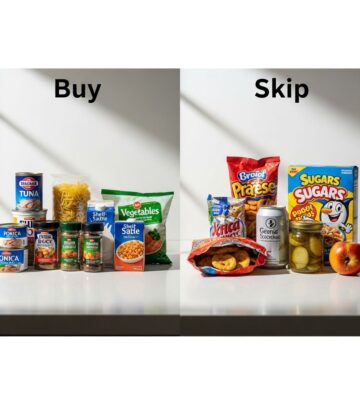
Beyond fresh produce, dollar stores increasingly stock pantry staples that form the foundation of meal preparation. Canned goods, spices, condiments, and dried ingredients represent substantial portions of dollar store grocery purchases. Two-thirds of shoppers buy candy and treats, while three in five purchase salty snacks and crackers. These foundational ingredients enable families to prepare complete meals while maintaining significant savings compared to full-service grocery stores.
Leveraging Loyalty Programs and Digital Rewards
A frequently underutilized advantage involves the sophisticated loyalty and rewards systems that major dollar store chains have implemented. Dollar General, Dollar Tree, and Family Dollar all offer digital platforms that extend savings opportunities beyond the shelf price. These systems represent a meaningful opportunity for tech-savvy shoppers to amplify their purchasing power.
All three major chains accept both manufacturer coupons and store-specific coupons, creating layered discount opportunities. More importantly, shoppers can pair these coupons with rewards credit cards and mobile applications specifically designed to capture additional cash back. Third-party rewards apps including Ibotta and Fetch allow shoppers to submit receipts and earn cash back on qualifying purchases, effectively reducing net expenditures beyond advertised prices.
Dollar General has developed a particularly robust loyalty program that permits members to accumulate cash back directly within their loyalty accounts or transfer earnings to third-party rewards platforms. This approach acknowledges that today’s budget-conscious consumers employ multiple savings strategies simultaneously and rewards those who do so. The combination of store coupons, manufacturer discounts, credit card rewards, and app-based cash back creates substantial cumulative savings that many casual shoppers never realize are available.
Optimal Product Categories for Dollar Store Purchasing
Strategic shopping at dollar stores requires understanding which products represent genuinely superior values and which categories are better addressed elsewhere. This knowledge allows shoppers to maximize savings while avoiding false economy traps.
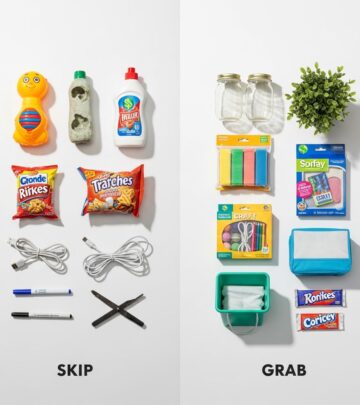
| Excellent Dollar Store Purchases | Items to Avoid at Dollar Stores |
|---|---|
| Paper goods and disposables | Tech items and electronics |
| Seasonal decorations | Fragile goods with multiple components |
| Office supplies and stationery | Items requiring durability and longevity |
| Cleaning supplies | Large-quantity staples (compare prices) |
| Oral care and personal hygiene | Specialized tools or equipment |
| Batteries and basic hardware | Items with complex assembly |
Dollar stores excel at providing products where quantity matters more than longevity. Paper towels, toilet paper, napkins, and disposable plates represent ideal purchases because these items serve their purpose and are consumed or discarded regardless of where they originated. Similarly, seasonal decorations purchased for single-season use benefit from dollar store pricing without quality concerns.
Conversely, items requiring reliability and durability should typically be avoided. Electronics, fragile goods with multiple moving parts, and tools designed for repeated use often fail to justify their low prices when replacement costs are factored into the equation. As personal finance experts note, dollar stores excel when quantity matters but quality expectations remain low, making this distinction essential for intelligent purchasing decisions.
Private Label Products and Manufacturing Insights
An often-overlooked advantage of dollar store shopping involves understanding the relationship between private label products and name-brand equivalents. Many consumers dismiss store-brand merchandise as inherently inferior, but retail industry research reveals a more nuanced reality. The same manufacturing facilities that produce recognized brand-name items frequently produce private label products simultaneously.
Dollar store brands typically use formulations that are slightly modified from their name-brand counterparts, with ingredient adjustments that reduce costs while maintaining quality standards. This manufacturing reality means shoppers often receive comparable products at substantially reduced prices when they select private labels over premium brands. The investment that dollar stores have made in developing quality private label lines reflects their commitment to customer satisfaction and competitive positioning.
This advantage extends across multiple product categories, from personal care items to household cleaners. Understanding that private label doesn’t inherently mean inferior allows shoppers to confidently choose store brands and redirect savings toward other budget priorities. For families managing tight finances, this psychological shift can result in meaningful annual savings without perceived sacrifice of quality.
Convenience and Accessibility Factors
Beyond product selection and pricing, dollar stores offer practical advantages related to convenience and accessibility that deserve recognition. Convenient locations represent a primary shopping motivation for 72% of dollar store customers, indicating that proximity and accessibility constitute genuine value for consumers.
Dollar stores outnumber many traditional retail competitors, meaning shoppers often find convenient neighborhood locations within their regular routes. This accessibility reduces transportation costs and time investment compared to shopping trips to distant supermarkets. For consumers without personal vehicles or those relying on public transportation, neighborhood dollar stores eliminate significant barriers to accessing competitively priced merchandise.
The operational design of dollar stores also facilitates quick shopping trips. Stores maintain straightforward layouts with clearly organized sections, enabling shoppers to find needed items rapidly without extensive browsing. For time-constrained consumers juggling employment, childcare, and household responsibilities, this efficiency represents meaningful value beyond simple price considerations.
Online Shopping Expansion and Additional Savings Channels
An emerging advantage increasingly available to dollar store shoppers involves the digital shopping channels that major chains have developed. Dollar Tree, Dollar General, and Family Dollar have invested substantially in website infrastructure and online ordering capabilities, extending their value proposition beyond physical locations.
Online shopping through these platforms enables additional savings through cash-back portals like CouponCabin and RetailMeNot, which provide rebates on digital purchases. This multi-layered approach allows shoppers to combine online purchasing convenience with the same rewards mechanisms available for in-store shopping. For consumers uncomfortable shopping in crowded retail environments or those with mobility limitations, this digital expansion provides meaningful alternative access.
The online expansion also facilitates bulk purchasing without the inconvenience of carrying substantial quantities. Shoppers can order larger quantities of non-perishable staples for home delivery, achieving pricing benefits typically reserved for club retailers without membership requirements.
Budget Preservation for Lower-Income Households
While dollar store shopping appeals across income levels, the retailers serve a particularly important function for lower-income households managing significant financial constraints. Over 60% of Dollar General’s core consumers—households earning less than $35,000 annually—report that they’ve had to sacrifice purchasing basic necessities due to higher costs. Dollar stores provide these consumers with accessible options for maintaining household supplies and food security despite economic pressures.
The availability of everyday low prices enables lower-income families to maintain purchasing power despite inflation and increased living costs. For households facing difficult trade-offs between medical expenses, housing costs, and food purchases, dollar store access to reasonably priced essentials can make meaningful differences in overall financial stability.
Avoiding Common Purchasing Mistakes
Maximizing dollar store advantages requires avoiding several common pitfalls that undermine potential savings. The most critical mistake involves making unnecessary purchases simply because prices appear attractive. The psychological appeal of low prices can tempt shoppers to accumulate items that expire before use or create household clutter, ultimately negating shopping savings.
Additionally, shoppers should avoid assuming that dollar store prices always represent the best available deals. Some items cost less at big-box retailers or specialized stores, making price comparison essential before purchasing. Using price comparison apps before shopping enables informed decisions about product sourcing and prevents false-economy purchases that undermine budgeting goals.
Seasonal Shopping Strategies
Dollar stores offer particular advantages during specific seasons when particular product categories dominate. Back-to-school shopping, holiday preparation, and seasonal decoration shopping represent ideal times to leverage dollar store pricing. School supplies, decorations, and seasonal items reach peak availability and selection during these periods, and their temporary-use nature makes dollar store sourcing particularly logical.
Quality Expectations and Consumer Satisfaction
Understanding appropriate quality expectations proves essential for dollar store satisfaction. Research indicates that seven of ten shoppers perceive dollar store products as medium quality, while approximately one in four consider them high quality. This distribution suggests that most shoppers correctly calibrate quality expectations and find their purchases satisfactory relative to prices paid.
Frequently Asked Questions
Q: Are dollar store products always cheaper than other retailers?
A: Not necessarily. While dollar stores typically offer competitive pricing on many items, some products cost less at big-box retailers or specialty stores. Price comparison before purchasing ensures you’re achieving actual savings rather than simply purchasing lower-priced items.
Q: Can I use manufacturer coupons at dollar stores?
A: Yes. All three major dollar store chains accept both manufacturer coupons and store-specific coupons, allowing you to layer discounts for additional savings.
Q: Are dollar store brand products comparable to name brands?
A: Often, yes. Private label products are frequently manufactured by the same facilities producing name brands, with slightly modified formulations. This typically means comparable quality at reduced prices.
Q: What products should I avoid buying at dollar stores?
A: Avoid technology items, fragile goods with multiple components, and products requiring durability and multiple uses. Focus on consumables, disposables, and single-use items where longevity isn’t a concern.
Q: Do dollar stores offer fresh produce?
A: Yes, though availability varies by location. Many dollar stores now offer limited fresh assortments including produce, and chains continue expanding these sections based on consumer demand.
Conclusion: Strategic Dollar Store Shopping
Dollar store shopping extends far beyond simply purchasing inexpensive merchandise. When approached strategically, these retailers provide access to brand-name products, expanding fresh food options, sophisticated loyalty programs, and convenient neighborhood locations that collectively deliver meaningful advantages for budget-conscious consumers. By understanding which products represent genuine value, leveraging digital rewards systems, and avoiding common purchasing mistakes, shoppers can maximize dollar store benefits while maintaining appropriate quality expectations. For millions of American households, particularly those managing constrained finances, dollar stores represent essential shopping channels that enable financial stability and purchasing power maintenance despite inflationary pressures.
References
- Affordable and Accessible Dollar Stores Meet Shoppers’ Needs — Acosta. 2024. https://www.acosta.com/affordable-and-accessible-dollar-stores-meet-shoppers-needs/
- 12 Great Dollar Store Shopping Tips — AARP. https://www.aarp.org/money/personal-finance/dollar-store-shopping-tips/
- 4 Things to Know About Dollar Store Consumers — eMarketer. https://www.emarketer.com/content/4-things-know-about-dollar-store-consumers
Similar Articles








Read full bio of Sneha Tete