Here’s How to Earn $170 a Year With Your Junk Mail
Transform your unwanted junk mail into extra cash—earn up to $170 annually with minimal effort by joining a simple market research panel.
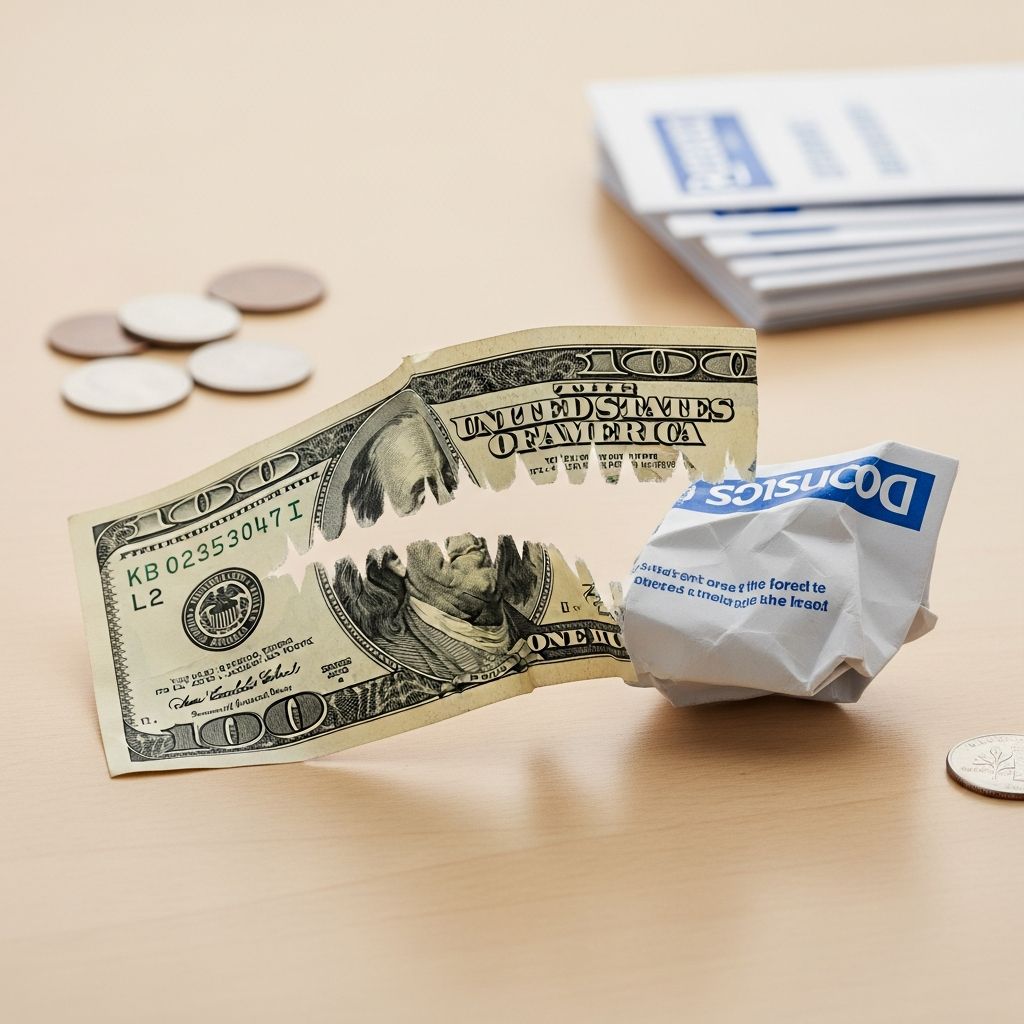
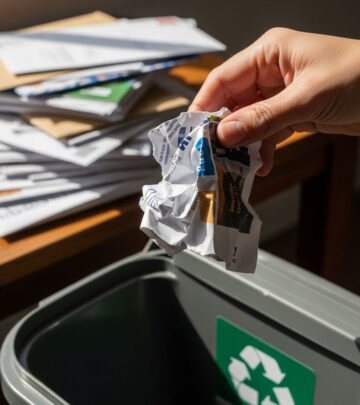
Junk mail clutters mailboxes everywhere, from insurance offers and credit card solicitations to retail catalogs and vacation brochures. Instead of tossing it straight into recycling, you can earn money from it. Small Business Knowledge Center (SBKC) pays consumers to send them this unwanted mail for market research on direct marketing trends and competitive intelligence.
This opportunity turns a daily annoyance into passive income. Frequent participants report earning $100 to $170 annually, with some claiming $40-$80 monthly. No special skills required—just collect qualifying mail, mail it back, and redeem points for prepaid Visa gift cards. This guide covers everything: why it works, what qualifies, how to join, earning methods, real user experiences, and safety tips.
Why a Company Pays for Your Junk Mail
SBKC specializes in direct marketing analysis. Businesses hire them to study advertising trends, competitor strategies, and consumer targeting via physical mail. Your junk mail provides raw data: who sends what, to whom, and how often. By analyzing volume, design, and categories, SBKC delivers valuable insights to clients.
This isn’t charity; it’s business. Direct mail remains a multi-billion-dollar industry. U.S. Postal Service data shows over 5.5 billion First-Class Mail pieces annually for marketing, per recent reports. Companies need reconnaissance on rivals’ campaigns, and panelists like you supply it affordably.
Panelists benefit too. Effort is minimal: save mail, stuff envelopes (provided free), and ship via prepaid labels. Points accrue automatically, leading to rewards without sales pitches or surveys.
Types of Junk Mail SBKC Wants
SBKC seeks common junk mail most households receive weekly. Focus on these categories for maximum points:
- Credit card offers: Pre-approved applications from banks like Chase, Capital One, or Citi.
- Insurance solicitations: Auto, home, life, or health quotes from Geico, Progressive, or State Farm.
- Retail catalogs: From Walmart, Target, Gap, Old Navy, Children’s Place, or Home Depot.
- Vacation packages: Timeshare pitches, cruise deals, or hotel brochures.
- Investment promotions: Stock tips, annuity offers, or retirement planning mailers.
- Other ads: Magazine subscriptions, charity appeals (non-personalized), or product samples.
They prioritize bulk mail—anything addressed to ‘Resident’ or ‘Occupant.’ Personal offers score higher if non-sensitive. Avoid utility bills or statements; stick to promotional pieces. Check SBKC’s monthly newsletter for bonus categories, like seasonal retail flyers.
| Mail Type | Frequency in Average Mailbox | Points Potential |
|---|---|---|
| Credit Card Offers | 2-5/week | High (10-20 pts each) |
| Retail Catalogs | 3-7/week | Medium (5-15 pts) |
| Insurance Ads | 1-3/week | High (15 pts avg) |
| Vacation Brochures | 1-2/month | Medium (10 pts) |
This table estimates based on user reports; actual points vary by profile and volume.
How the Points System Works
SBKC members are ‘panelists’ earning points redeemable at 2,000 points = $20 Visa prepaid card. Earnings come from:
- Mailing junk mail: Primary method. Stuff envelopes with 10-50 pieces; earn 5-20 points per item based on category and rarity.
- Profile updates: Bonus points for updating demographics like income or household changes.
- Surveys: Short optional polls on mail received (5-50 points).
- Referrals: Invite friends for one-time bonuses.
- Monthly bonuses: Extra points for high-volume mailers or featured categories.
Average accrual: $20 points every 6-10 weeks for frequent participants, per SBKC. That’s $100-$170 yearly. Heavy mail recipients (apartments, new movers) earn more; users report $480-$960 annually in outliers. Track via monthly newsletters detailing balance and specials.
Redemption is simple: Request online once at threshold. Cards arrive in 4-6 weeks, usable anywhere Visa is accepted. No fees or expiration noted by users.
Step-by-Step: How to Join SBKC
Getting started takes 5 minutes:
- Visit SBKC site: Go to their panelist application page.
- Choose type: Consumer (household) or business owner (different mail types, higher potential).
- Fill profile: Name, address, DOB, income range, household size. No SSN or bank info required.
- Approval: Instant or 1-2 days; they send welcome kit with prepaid envelopes/labels.
- Start mailing: Collect junk mail, pack, affix label, drop at post office.
Free supplies arrive ongoing. Request extras if needed—users confirm multiple envelopes for high volume.
Real User Experiences and Tips
Panelists rave about ease. One user: ‘I’ve been with them over a year… make $40-$80/month sending Walmart, Old Navy, Gap, Home Depot mail.’ Another: ‘Painless—stuff envelopes every few weeks instead of shredding.’
Tips from members:
- Save everything qualifying; volume = points.
- Credit card mail raises identity theft fears—many skip it, sticking to retail. Consensus: Low risk, as mail lacks full SSN; needs more for fraud.
- Request extra envelopes for peaks (holidays).
- Update profile often for bonuses.
- Track mailings; newsletter confirms credits.
Some received scam-like letters promising drawings, not points—verify via official SBKC site.
Is It Safe? Addressing Concerns
Privacy worries are valid. SBKC uses mail for aggregate research, not personal data sales. They see names/addresses but no sensitive info like account numbers. Users report no issues after years.
To minimize risk:
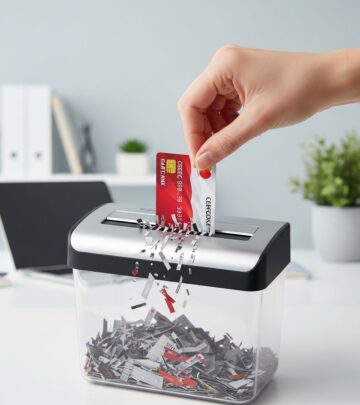
- Black out barcodes or personal details.
- Skip pre-approved credit apps if uneasy.
- Monitor credit annually (free via AnnualCreditReport.gov).
No major complaints in reviews; positive feedback dominates. Not a get-rich scheme, but reliable micro-income.
Frequently Asked Questions (FAQs)
Who qualifies for SBKC?
U.S. residents 18+ with steady address. Consumers or business owners.
How much can I really earn?
Average $100-$170/year; up to $40-80/month for active users.
What if I get too much mail?
Request more free envelopes.
Do I need to pay shipping?
No—prepaid labels provided.
Can I redeem for cash?
Points for $20 Visa cards only.
Is my personal info safe?
Used only for research; users report no problems.
Why This Beats Trashing Junk Mail
Environmentally, you’re recycling via research. Financially, it’s free money for zero extra work. In a world of gig apps demanding time/gas, this is pure passive. Junk mail loses its bane status—now it’s your side hustle.
Joining costs nothing; worst case, opt out anytime. With rising costs, every dollar counts. Turn annoyance into $170/year today.
References
- United States Postal Service Office of Inspector General: Direct Mail Trends Report — USPS OIG. 2024-06-15. https://www.uspsoig.gov/reports/report-list
- Direct Marketing Association Response Rate Report — Data & Marketing Association. 2023-12-01. https://thedma.org/resources/response-rate-report/
- Federal Trade Commission: Consumer Sentinel Network Data Book — FTC. 2025-01-10. https://www.ftc.gov/reports/consumer-sentinel-network-data-book-2024
- U.S. Government Accountability Office: Postal Service Financial Audit — GAO. 2024-11-20. https://www.gao.gov/products/gao-25-106xxx
- Bureau of Labor Statistics: Consumer Expenditure Survey — BLS. 2024-09-10. https://www.bls.gov/cex/
Similar Articles








Read full bio of Sneha Tete