Here’s How a Spending Ban Can Help and Hurt You
Discover the pros and cons of implementing a spending ban to control your finances and achieve your savings goals effectively.

In today’s consumer-driven world, where temptations lurk around every corner—from online flash sales to coffee shop sirens—a spending ban has emerged as a popular strategy for regaining financial control. A spending ban involves temporarily halting non-essential purchases, focusing solely on necessities like rent, groceries, utilities, and debt payments. Popularized on social media and personal finance blogs, this extreme budgeting tactic promises quick wins in savings and mindset shifts. But like any financial tool, it has both upsides and downsides.
This article dives deep into how a spending ban can propel you toward financial freedom or backfire if not managed wisely. Drawing from expert insights and real-world applications, we’ll cover the benefits, potential harms, implementation strategies, common mistakes, and frequently asked questions. Whether you’re drowning in credit card debt or just aiming to build an emergency fund, understanding the full picture is key to making it work for you.
What Is a Spending Ban?
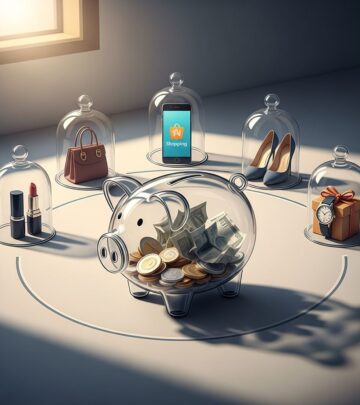
A spending ban is a self-imposed moratorium on discretionary spending for a set period, typically 30 days or more. Unlike a full budget, which allocates specific amounts to categories, a ban categorically eliminates categories like dining out, clothing, entertainment, and gadgets. The goal? To create breathing room in your budget, pay down debt, or amass savings rapidly.
Proponents argue it fosters mindfulness about money, breaking the cycle of impulse buying. For instance, research on similar restriction policies shows they can redirect resources toward essentials, much like how SNAP benefits enhance food purchasing power without micromanaging choices. However, personal finance experts caution that definitions of ‘essentials’ vary—what’s a necessity for one (e.g., gym membership for mental health) might be a luxury for another.
- Duration: Short-term (1-3 months) for beginners; longer for aggressive goals.
- Scope: No new clothes, no eating out, no subscriptions—only bills and bare-bones groceries.
- Exceptions: Pre-planned gifts, medical needs, or car repairs.
The Benefits: How a Spending Ban Can Transform Your Finances
When executed properly, a spending ban delivers tangible results. Here’s how it helps:
1. Rapid Savings Accumulation
By slashing non-essentials, money that once vanished into lattes and takeout piles up fast. Participants often report saving hundreds monthly. A study on benefit restrictions highlights how increased purchasing power for basics leads to better resource allocation, mirroring a spending ban’s effect on personal budgets. Imagine redirecting $200/month from shopping to an emergency fund—after 6 months, that’s $1,200 toward financial security.
2. Heightened Financial Awareness
A ban forces scrutiny of every dollar. You track expenses meticulously, uncovering leaks like unused subscriptions or overpriced cable. This mindfulness persists post-ban, leading to sustainable habits. Behavioral economics supports this: restrictions prompt reflection, reducing autopilot spending.
3. Debt Payoff Acceleration
High-interest debt thrives on excess spending. A ban funnels freed-up cash straight to balances, shortening payoff timelines. Using the debt snowball or avalanche method amplifies this—one couple cleared $10,000 in credit card debt during a 90-day ban.
4. Mental Clarity and Reduced Decision Fatigue
Constant shopping choices exhaust willpower. A ban simplifies life: ‘Do I need it? No? Skip.’ This frees mental energy for goals like career advancement or side hustles. Anecdotal evidence from finance communities echoes unexpected benefits like improved focus and productivity.
5. Creativity Boost in Lifestyle
Banned from restaurants? Host potlucks. No new wardrobe? Refresh old clothes. This sparks ingenuity, revealing how much joy comes from free activities—library events, home workouts, park picnics.
| Category | Pre-Ban Spend | During Ban | Savings |
|---|---|---|---|
| Dining Out | $400 | $0 | $400 |
| Shopping | $250 | $0 | $250 |
| Entertainment | $150 | $0 | $150 |
| Subscriptions | $80 | $20 (essentials) | $60 |
| Total | $880 | $20 | $860 |
This table illustrates potential monthly savings for an average spender, assuming moderate pre-ban habits.
The Drawbacks: Ways a Spending Ban Can Hurt You
Despite the hype, spending bans aren’t foolproof. Here’s where they falter:
1. Risk of Burnout and Rebound Spending
Extreme deprivation often leads to bingeing post-ban. Like dieters regaining weight, savers splurge harder, erasing gains. Studies on bans (e.g., plastic bags) show unintended consequences like black markets or substitution effects—similarly, people shift spending underground or to ‘allowed’ categories.
2. Neglect of Essential Self-Care
Rigid bans can cut therapy, gym fees, or healthy meals misclassified as luxuries. Chronic stress from skimping harms health, indirectly costing more long-term. Balance is crucial: a coffee might prevent burnout.
3. Relationship Strain
Imposing a ban unilaterally frustrates partners or family. ‘No family movie night?’ breeds resentment. Success requires buy-in—discuss goals openly.
4. Missed Opportunities
Bans ignore deals or investments. Skipping a 70% off sale on needed shoes means higher future costs. Flexibility prevents this.
5. Oversimplification of Complex Finances
Not all spending is bad—education courses or tools build wealth. Bans can stall progress if they block growth investments. Policy analogies warn against over-restriction undermining efficiency.
How to Implement a Spending Ban Successfully
- Define Clear Rules: List essentials vs. non-essentials. Use apps like YNAB or Excel for tracking.
- Set a Timeline: Start with 30 days; extend if motivated.
- Plan Alternatives: Meal prep, free events, wardrobe audits.
- Track Progress: Weekly reviews celebrate wins, adjust as needed.
- Build in Rewards: Post-ban treat from savings, not credit.
- Combine with Goals: Tie to debt payoff or vacation fund for motivation.
Evidence from spending limit studies shows structured approaches reduce negative incumbency-like effects, promoting positive change.
Common Mistakes to Avoid
- Undefined boundaries: Leads to cheating.
- No exit strategy: Causes rebound.
- Ignoring emotions: Shop therapy? Address root causes.
- Going solo: Involve household.
- Forgetting maintenance: Review insurance, home repairs.
Real-Life Success Stories and Lessons
Sarah, 32, saved $5,000 in 3 months, paying off cards. But post-ban, she bought a purse impulsively—lesson: transition to budgeting. Mike’s family ban built unity, funding a home down payment. These stories underscore adaptation.
Frequently Asked Questions (FAQs)
What counts as an essential during a spending ban?
Essentials: Housing, food staples, transport, meds. Non: Coffee runs, new tech.
How long should my first spending ban last?
30 days—builds habit without overwhelm.
What if I slip up?
Forgive, analyze why, resume. Progress over perfection.
Can couples do a spending ban?
Yes, with communication—joint goals prevent conflict.
Is a spending ban better than budgeting?
For jumpstarts, yes; long-term, combine both.
Final Thoughts on Balancing Help and Harm
A spending ban is a powerful reset button for finances, offering swift savings and awareness gains. Yet, its rigidity risks burnout, strain, and missed nuances. Success lies in intentionality: short durations, clear rules, and a shift to holistic budgeting post-ban. As with any restriction, weigh benefits against unintended effects—like policy analyses emphasize efficiency over blanket bans. Tailor it to your life for lasting impact.
References
- Pros and cons of restricting SNAP purchases — Brookings Institution. 2015-01-12. https://www.brookings.edu/articles/pros-and-cons-of-restricting-snap-purchases/
- Stop Using Spending Bans — Wise New York. 2023-05-15. https://www.wise-ny.org/blog/stop-using-spending-bans-reported-brock-www-cleverdude-com/
- What is a Spending Ban & Why Try One? — Poly Money Matters. 2024-02-20. https://polymoneymatters.com/spending-ban/
- Considerations, benefits and unintended consequences of banning plastic bags — PMC (NCBI). 2022-02-15. https://pmc.ncbi.nlm.nih.gov/articles/PMC8847762/
- The (Non-)Effects of Campaign Finance Spending Bans — Institute of Financial Studies. 2023-11-10. https://www.ifs.org/research/the-non-effects-of-campaign-finance-spending-bans-on-macro-political-outcomes-evidence-from-the-states/
- The Unexpected Benefits of a Self-Imposed 30-Day Spending Ban — Its ADHD Friendly. 2024-08-05. https://itsadhdfriendly.com/unexpected-benefits-self-imposed-30-day-spending-ban/
Similar Articles








Read full bio of medha deb