HELOC Vs Reverse Mortgage: 2025 Comparison Guide
Discover key differences between HELOCs and reverse mortgages to unlock your home equity wisely for retirement or home needs.
Unlocking home equity offers homeowners flexible financing options, but choosing between a
home equity line of credit (HELOC)
and areverse mortgage
requires understanding their unique features, eligibility rules, and long-term impacts. This guide breaks down these products to help you decide which aligns with your financial goals, whether for retirement supplementation or home improvements.Understanding Home Equity Access Methods
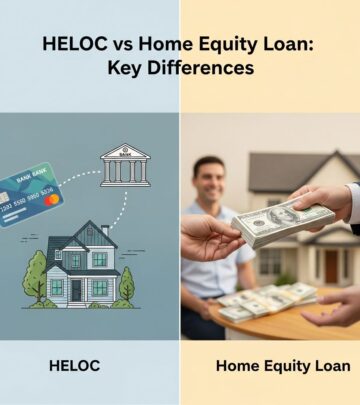
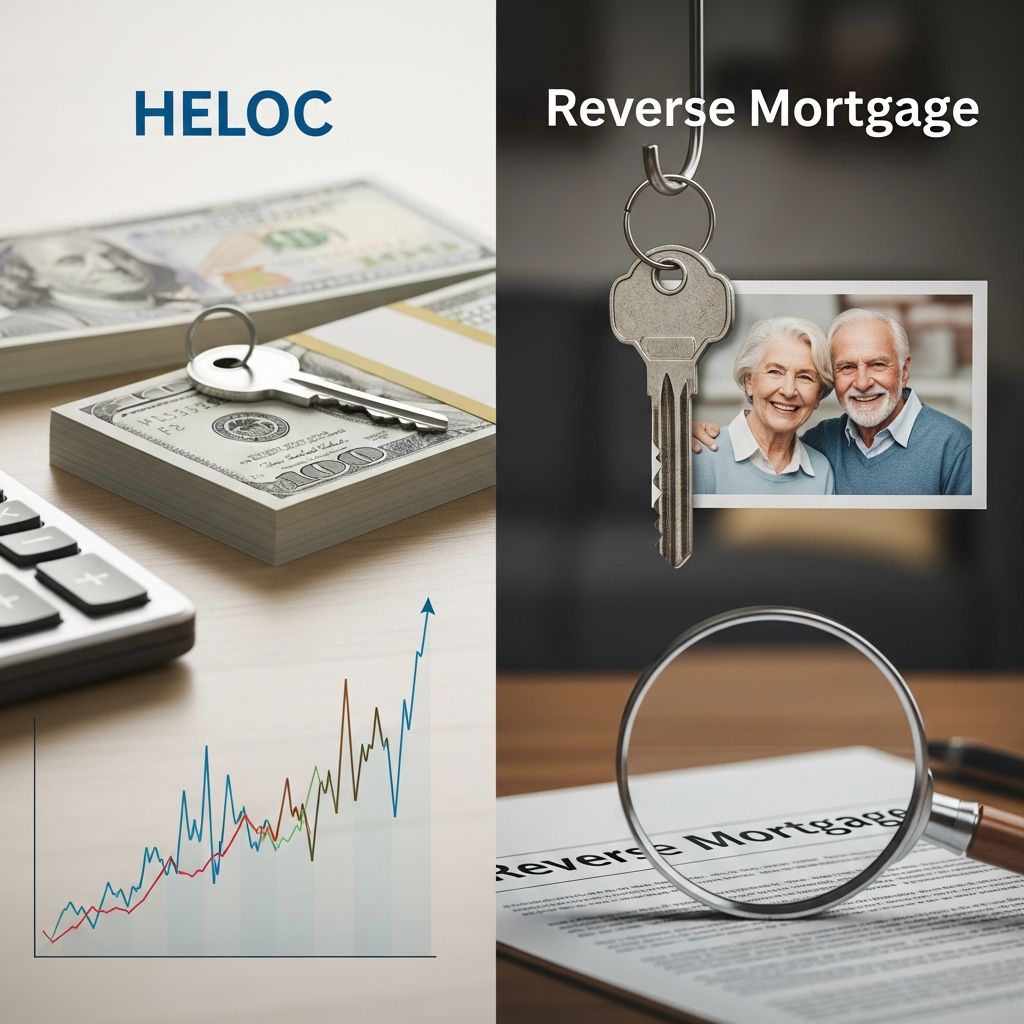
Home equity represents the portion of your property’s value that you own outright, calculated as market value minus outstanding mortgage balances. Both HELOCs and reverse mortgages let you borrow against this equity, but they cater to different life stages and needs. HELOCs function like revolving credit lines for ongoing access, while reverse mortgages provide funds primarily to seniors without immediate repayment demands.
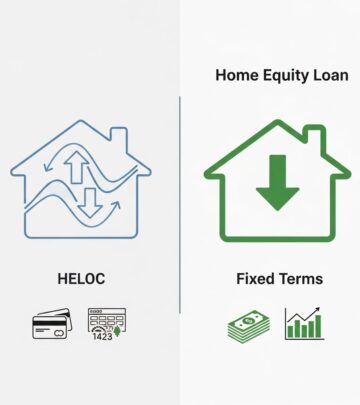
Traditional home equity loans offer lump-sum payouts with fixed terms, contrasting with HELOCs’ draw periods and reverse mortgages’ tenure-based advances. Qualifying typically demands sufficient equity—often 15-20% for forward products—and varies by borrower profile.
Core Features of a HELOC
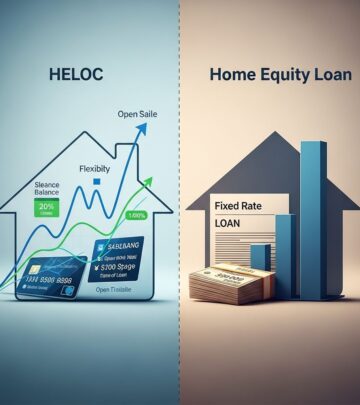
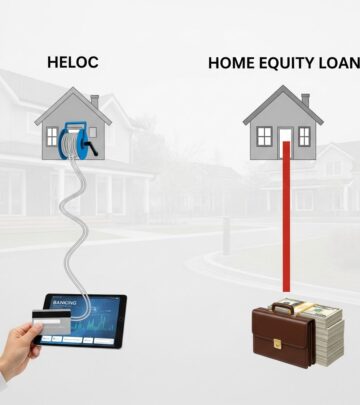
A HELOC grants a revolving credit line secured by your home, allowing draws up to an approved limit during an initial draw period, usually 5-10 years. Borrowers make interest-only payments initially, then transition to principal-plus-interest during the repayment phase of 10-20 years.
- Flexible borrowing: Access funds as needed, paying interest solely on withdrawn amounts.
- Variable rates: Tied to prime rate plus a margin, rates fluctuate with market conditions.
- Closing costs: Typically 2-5% of the line amount, including appraisal and title fees.
HELOCs suit homeowners planning variable expenses like renovations or debt consolidation, offering lower initial costs than reverse options.
Core Features of a Reverse Mortgage
Reverse mortgages, often Home Equity Conversion Mortgages (HECMs) insured by the FHA, enable homeowners aged 62+ to convert equity into cash via lump sum, monthly payments, line of credit, or combinations. No monthly repayments are required as long as you occupy the home as primary residence and maintain obligations like taxes and insurance.
- No repayments until exit: Loan due upon death, sale, or permanent move.
- Fixed or variable rates: Depends on payout structure; growing balance accrues interest.
- Upfront costs: Higher, including origination (2% of home value), mortgage insurance premiums (0.5% annual), and closing fees up to $6,000+.
These products preserve housing stability for retirees but erode equity over time.
Eligibility Requirements Compared
Qualification criteria differ significantly, impacting accessibility.
| Criteria | HELOC | Home Equity Loan | Reverse Mortgage |
|---|---|---|---|
| Age | None | None | 62+ |
| Credit Score | 620-680+ | 620-680+ | No minimum; financial assessment |
| Income/DTI | Required; <45-50% | Required; <45-50% | Ability to pay taxes/insurance |
| Equity Needed | 15-20% min | 15-20% min | Enough for payout; often paid-off mortgage |
Reverse mortgages prioritize age and home maintenance over credit/income, making them viable for fixed-income seniors. Forward products demand stronger financials due to repayment risks.
Costs and Fees Breakdown
Reverse mortgages carry steeper upfront expenses—often $5,000-$10,000—including FHA premiums and servicing fees. HELOCs and home equity loans feature lower closing costs (2-5%) but may include annual fees or inactivity charges.
- Reverse: Origination, MIP (2% initial + 0.5% annual), appraisal.
- HELOC: Application, appraisal, but no annual MIP.
Over time, reverse loan balances compound, potentially consuming more equity than HELOC draws with diligent repayments.
Repayment Structures and Risks
HELOC repayments start immediately, with interest-only options early on, escalating post-draw period amid variable rates. Default risks foreclosure.
Reverse mortgages defer all principal/interest until the loan matures, repaid via sale proceeds. Heirs receive remaining equity or can repay the balance to retain the home. Non-payment of taxes/insurance triggers default.
Both risk home loss, but reverse mortgages safeguard against outliving funds via non-recourse clauses in HECMs, limiting debt to home value.
Pros and Cons Side-by-Side
| Aspect | HELOC Pros | HELOC Cons | Reverse Pros | Reverse Cons |
|---|---|---|---|---|
| Flexibility | Draw as needed | Rate/payment volatility | No monthly payments | High fees erode equity |
| Qualification | Accessible to younger | Strict credit/income | Lenient on credit | Age-restricted |
| Costs | Lower upfront | Possible annual fees | Tax-free funds | Expensive origination |
| Repayment | Builds equity back | Balloon risks | Deferred until exit | Grows balance rapidly |
When to Choose a HELOC
Opt for a HELOC if you’re under 62, have steady income, and need flexible, ongoing access for projects or emergencies. High credit scores secure better rates, and rebuilding equity through payments preserves inheritance.
- Short-term home stays.
- Variable expense planning.
- Maintaining credit health.
When to Choose a Reverse Mortgage
Select reverse mortgages for retirement cash flow without straining budgets, especially if equity is substantial and income fixed. Ideal for aging in place with medical or living costs.
- Long-term home occupancy.
- No repayment capacity.
- Supplementing Social Security.
Impact on Heirs and Legacy Planning
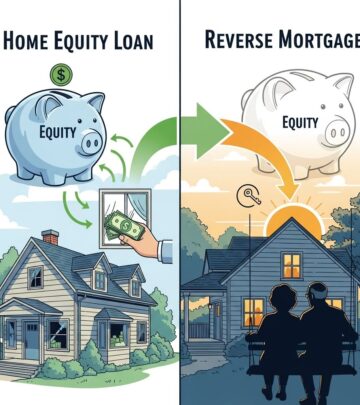
HELOCs allow equity recovery via payments, leaving more for heirs. Reverse mortgages diminish equity progressively; however, FHA insurance prevents balance exceeding home value at repayment.
Discuss with family early—options like line-of-credit growth (5% annually) provide future flexibility without immediate use.
Frequently Asked Questions
Can I get both a HELOC and reverse mortgage?
Generally no; reverse mortgages pay off existing liens, closing prior HELOCs. Sequence matters—use HELOC first if younger.
Are reverse mortgage payments taxable?
No, proceeds are tax-free loans, not income. Consult a tax advisor.
What if interest rates rise with a HELOC?
Payments increase; caps (e.g., 18%) limit exposure, but budget for hikes.
Do I lose my home with a reverse mortgage?
No, if you maintain residency, taxes, and insurance. Loan repays upon exit.
How much can I borrow?
HELOC: 80-90% combined LTV. Reverse: FHA formula based on age, rates, value (max $1,149,825 in 2025).
Final Decision Factors
Assess age, income stability, equity needs, and timeline. Younger borrowers favor HELOCs for flexibility; seniors lean reverse for payment relief. Always compare lender offers and seek counseling for HECMs.
References
- Reverse Mortgage vs. Home Equity Loan or HELOC — PNC Insights. 2024-2025. https://www.pnc.com/insights/personal-finance/borrow/reverse-mortgage-vs-home-equity-loan-heloc.html
- Reverse Mortgage vs. Home Equity Loan or HELOC — LendingTree. 2025-01-15. https://www.lendingtree.com/home/reverse-mortgage/reverse-mortgage-vs-home-equity-loan/
- Home equity loan or HELOC vs. reverse mortgage — Bankrate. 2025-11-19. https://www.bankrate.com/home-equity/home-equity-loan-heloc-vs-reverse-mortgage/
- Reverse mortgage vs. home equity loan vs. HELOC — Rocket Mortgage. 2025-11-19. https://www.rocketmortgage.com/learn/reverse-mortgage-vs-home-equity-loan
- Reverse Mortgages — Federal Trade Commission (FTC). 2023-06-01. https://consumer.ftc.gov/articles/reverse-mortgages
Similar Articles








Read full bio of medha deb