HELOC Repayment Phases: Draw and Repayment
Master the two-phase structure of HELOC payments and plan accordingly
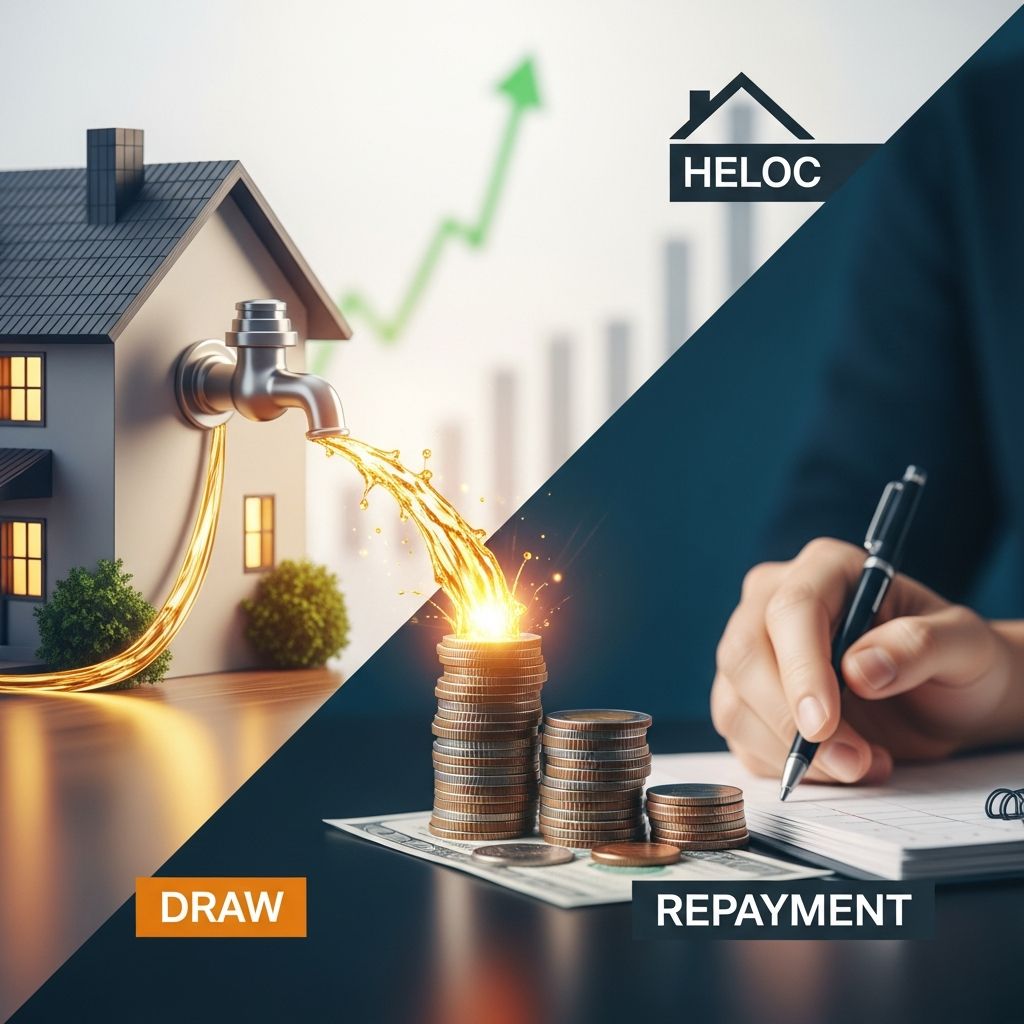
A home equity line of credit (HELOC) represents a distinctive borrowing mechanism that allows homeowners to leverage the equity built into their residential property. Unlike traditional mortgage loans that provide a lump sum upfront, HELOCs operate as revolving credit facilities, enabling borrowers to withdraw funds as needed up to an approved credit limit. This flexibility comes with a structured payment framework consisting of two distinct phases that significantly impact how borrowers manage their finances. Understanding this dual-phase system is essential for anyone considering this financing option, as payment obligations and borrowing access change substantially when transitioning between phases.
The Foundation: What Equity Means in Your Home
Before exploring HELOC repayment mechanics, it’s important to grasp the underlying concept of home equity. Your home’s equity represents the difference between your property’s current market value and any outstanding mortgage debt secured against it. For example, if your residence appraises at $300,000 and your mortgage balance is $180,000, you possess $120,000 in equity. Lenders typically allow borrowers to access a percentage of this equity—commonly between 75 and 90 percent—as their HELOC credit limit. This equity serves as collateral for the credit line, which fundamentally distinguishes HELOCs from unsecured personal credit products.
Phase One: The Draw Period and Flexible Borrowing Access
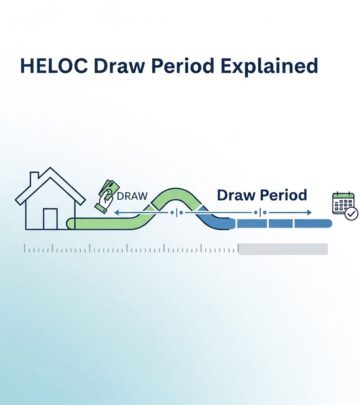
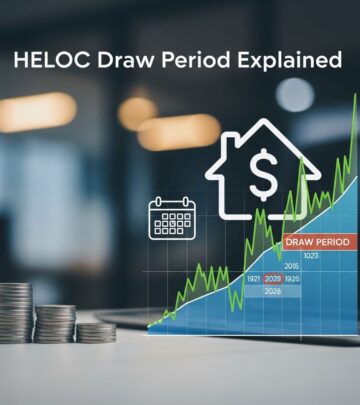
The initial phase of a HELOC is known as the draw period, during which borrowers enjoy maximum flexibility in accessing funds. This phase typically extends between five and ten years, though specific timeframes vary by lender and loan agreement. During the draw period, you can withdraw money incrementally, repay it, and withdraw again—functioning similarly to a credit card or revolving line of credit. This flexibility proves valuable for homeowners managing multiple projects or facing irregular expenses.
A critical feature of the draw period involves payment obligations. Most lenders require monthly payments during this phase, but these payments cover only the interest accruing on your borrowed balance. You are not required to reduce the principal amount borrowed during this timeframe. For instance, if you’ve drawn $25,000 on a HELOC with a variable interest rate of 7 percent, your monthly interest-only payment would be approximately $146, but you would contribute nothing toward reducing the $25,000 principal balance.
Advantages of the Draw Period Structure
- Lower monthly obligations: Interest-only payments keep monthly costs manageable compared to principal-plus-interest arrangements
- Access to capital: Funds remain available for emergencies, home improvements, or investment opportunities throughout the draw period
- Flexible withdrawal timing: Borrow only what you need when you need it, avoiding unnecessary interest on unused funds
- Revolving availability: Repaid amounts cycle back as available credit, similar to credit card functionality
The Transition Point: When the Draw Period Concludes
As your draw period approaches its end, your HELOC enters a critical transition phase. Once the draw period expires, your credit line closes permanently, and you lose the ability to borrow additional funds. Any outstanding balance you accumulated during the draw period becomes the focus of immediate repayment obligations. This transition frequently catches borrowers unprepared because monthly payment amounts increase substantially—sometimes doubling or tripling the interest-only payments made during the draw period.
Some HELOC agreements include balloon payment provisions, which require borrowers to pay the entire outstanding balance plus accrued interest in a single lump-sum payment when the draw period terminates. This arrangement creates significant financial stress for many homeowners and represents a critical factor to examine during the initial loan agreement review. Borrowers facing balloon payments should develop repayment strategies well in advance, which might include refinancing into a fixed-rate home equity loan or accelerating debt reduction during the draw period.
Phase Two: The Repayment Period and Principal Reduction
Following the draw period’s conclusion, your HELOC enters the repayment period, fundamentally altering your payment obligations. This phase typically lasts between ten and twenty years, depending on your specific loan terms. During the repayment period, you can no longer access your HELOC credit line for additional borrowing. Instead, your monthly payments must now cover both principal and accrued interest on your outstanding balance.
The shift from interest-only to principal-plus-interest payments represents the most substantial change borrowers experience with HELOCs. Your lender calculates these payments to fully amortize your remaining balance over the specified repayment term. This means your monthly payment amount is typically fixed during this phase and remains stable throughout the repayment period—assuming you have a fixed interest rate.
Payment Calculation Methodology
Your lender determines monthly repayment amounts using several variables: your current HELOC interest rate, the principal balance remaining from your borrowing, and your designated repayment term. If you borrowed $40,000 during the draw period and your lender specifies a 15-year repayment period at a 7.5 percent interest rate, your monthly payment would approximately equal $355. This payment amount remains consistent throughout the 15-year repayment period, with each payment reducing your principal balance while covering accrued interest.
Interest Rate Dynamics and Payment Variability
A distinguishing characteristic of most HELOCs involves their variable interest rate structure. Unlike fixed-rate mortgages, HELOC rates typically fluctuate based on market conditions and underlying index rates—commonly tied to the prime rate published in the Wall Street Journal. When interest rates rise, your monthly payment increases despite your balance remaining unchanged. Conversely, declining interest rates reduce your payment obligations.
This interest rate volatility introduces financial planning complexity, particularly during the repayment phase when substantial principal payments occur. Some lenders offer options to convert portions of your HELOC balance into fixed-rate installment loans, providing payment predictability and protection against future rate increases. Evaluating these conversion options early in your HELOC lifecycle allows you to strategically manage interest rate risk according to your risk tolerance and financial circumstances.
Comparing HELOC Repayment Across Different Lenders
| Lender Characteristic | Typical Feature | Impact on Your Payments |
|---|---|---|
| Draw period duration | 5-10 years | Longer draw periods delay repayment obligations but may extend overall loan duration |
| Repayment period duration | 10-20 years | Shorter periods increase monthly payments; longer periods reduce monthly obligations |
| Interest rate type | Variable or fixed | Variable rates fluctuate; fixed rates provide predictability |
| Introductory rates | 0.99%-2% for 12 months | Lower initial rates reduce draw period payments but increase significantly after expiration |
| Balloon payments | Full balance at draw period end | Creates financial stress; requires refinancing or lump-sum payment capability |
Strategic Repayment Approaches During the Draw Period
While HELOCs only require interest-only payments during the draw period, financially sophisticated borrowers often adopt alternative repayment strategies. Voluntarily paying down principal during the draw phase reduces the balance requiring repayment once the repayment period begins. This approach decreases your long-term interest costs and reduces the payment shock when transitioning to principal-plus-interest obligations.
Consider a scenario where you borrowed $30,000 during your five-year draw period but paid an additional $300 monthly toward principal despite no requirement to do so. This strategy would reduce your repayment period balance to approximately $15,000, effectively halving your future payment obligations. The opportunity cost of making these voluntary principal payments must be weighed against other financial priorities, such as retirement contributions or high-interest debt elimination.
Preparing for the Payment Transition
The most critical preparatory step involves calculating your anticipated repayment period payment before entering that phase. Request an amortization schedule from your lender detailing the exact monthly payment you’ll owe once your draw period concludes. Many borrowers discover their repayment payments equal 200-250 percent of their interest-only draw period payments, creating significant budget disruption without advance planning.
Additionally, review alternative repayment options within your loan agreement. Some HELOCs permit converting your outstanding balance into a fixed-rate home equity loan, eliminating interest rate risk and providing payment certainty. Others allow refinancing into different loan products that might offer more favorable terms or reduced repayment periods. Understanding these options early ensures you can implement the most advantageous strategy for your circumstances.
Frequently Asked Questions About HELOC Repayment
What happens if I cannot make repayment period payments?
If you fail to make timely payments during the repayment period, your lender can pursue legal remedies, including foreclosure proceedings, since your home serves as collateral. This risk necessitates realistic assessment of your repayment capacity before establishing a HELOC.
Can I extend my draw period?
Most lenders do not permit extending draw periods beyond their original term. However, some offer additional draw periods—such as HFS FCU’s two consecutive five-year draw periods. Review your specific loan agreement for this possibility.
Are there early repayment penalties?
Some lenders charge early repayment fees if you pay off your HELOC balance ahead of schedule. Verify your loan terms regarding prepayment penalties before accepting the credit line.
How do I make HELOC payments?
Most lenders accept multiple payment methods including online banking portals, automatic checking account withdrawals, check payments, or phone-based arrangements. Select the method aligning with your payment management preferences.
Essential Takeaways for HELOC Borrowers
Home equity lines of credit provide valuable financing flexibility through their two-phase structure, but this flexibility demands careful financial management. The draw period offers attractive interest-only payments enabling strategic borrowing, while the repayment period requires substantial principal reduction on a defined schedule. Understanding these distinct phases, calculating anticipated payments, and evaluating alternative repayment strategies ensures HELOCs serve your financial objectives rather than creating unexpected burden. By approaching HELOC borrowing with comprehensive knowledge of repayment mechanics, you position yourself to leverage your home’s equity effectively while maintaining long-term financial stability.
References
- How Does HELOC Repayment Work? Complete Guide — HFS FCU. Accessed March 31, 2026. https://hfsfcu.org/education/how-does-heloc-repayment-work/
- Understanding the Draw and Repayment Periods for a Home Equity Line of Credit (HELOC) — NIH Federal Credit Union. Accessed March 31, 2026. https://www.nihfcu.org/blog/understanding-the-draw-and-repayment-periods-for-a-home-equity-line-of-credit-heloc/
- How Does HELOC Repayment Work? — Experian. Accessed March 31, 2026. https://www.experian.com/blogs/ask-experian/how-does-heloc-repayment-work/
- What You Should Know About Home Equity Lines of Credit (HELOC) — Consumer Financial Protection Bureau. Accessed March 31, 2026. https://files.consumerfinance.gov/f/documents/cfpb_heloc-brochure_print.pdf
- HELOC Basics: Understanding the Draw and Repayment Periods — Savers Bank. Accessed March 31, 2026. https://saversbank.com/resources/savers-two-cents-blog/heloc-basics-understanding-the-draw-and-repayment-periods/
- How Does A Home Equity Line Of Credit Work — U.S. Bank. Accessed March 31, 2026. https://www.usbank.com/home-loans/home-equity/how-home-equity-lines-of-credit-work.html
- How Does a HELOC Work? — Triad Bank. Accessed March 31, 2026. https://www.triadbank.com/articles/how-does-a-heloc-work
Similar Articles








Read full bio of Sneha Tete