HELOC Repayment Guide: 4 Strategies To Avoid Payment Shock
Master the ins and outs of repaying your Home Equity Line of Credit to avoid surprises and build long-term financial stability.

A Home Equity Line of Credit (HELOC) offers flexible access to your home’s equity, but understanding its repayment structure is crucial for financial planning. This guide breaks down the process, timelines, payment types, and strategies to ensure you stay ahead of obligations.
Understanding the Core Phases of a HELOC
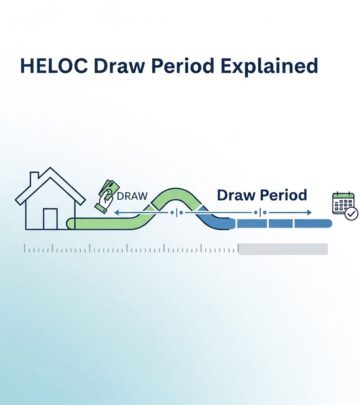
Every HELOC divides into two main stages: the draw period and the repayment period. These phases dictate how and when you access funds and settle the debt.
- Draw Period: Typically spanning 5 to 10 years, this initial phase allows borrowing up to your approved limit. Payments cover only the interest on the amount drawn, keeping minimums low and affordable.
- Repayment Period: Following the draw phase, often lasting 10 to 20 years, you repay both principal and interest. No new borrowing is permitted, and payments rise significantly.
This structure provides short-term flexibility but demands preparation for the shift to full amortization.
Payments During the Draw Period
In the draw period, your monthly obligation focuses solely on accrued interest. For instance, if you draw $10,000 from a $50,000 limit at 7% interest, you pay interest on $10,000 only, not the full line.
| Scenario | Amount Drawn | Interest Rate | Monthly Interest Payment |
|---|---|---|---|
| Example 1 | $10,000 | 7% | ~$58 |
| Example 2 | $25,000 | 8% | ~$167 |
| Example 3 | $50,000 (full) | 7% | ~$292 |
Payments adjust dynamically with the balance and variable rates, which are often tied to the prime rate. Paying extra toward principal during this time reduces future burdens.
Transitioning to the Repayment Period
Once the draw period closes, the line freezes. You amortize the outstanding balance over the repayment term, typically 10-20 years, with fixed or variable rates.
Expect payment shock: interest-only payments might jump from covering just interest to full principal plus interest. A $25,000 balance at 7% over 20 years could mean ~$190 monthly, versus ~$146 interest-only. Some lenders impose balloon payments, requiring the full principal at once.
Key Factors Influencing Repayment Terms
Terms vary by lender:
- Length: Repayment from 10-20 years; draw 5-15 years.
- Rate Type: Variable in draw, sometimes fixed in repayment.
- Balloon Options: Lump-sum due at end, or scheduled installments.
Review your agreement for specifics, as early closure might trigger penalties.
Strategies to Manage and Accelerate Repayment
Proactive steps can minimize costs and stress.
- Pay Principal Early: During draw, extra payments shrink the balance before repayment starts.
- Budget for Increases: Use calculators to model post-draw payments.
- Lock in Rates: Opt for fixed-rate conversions if available.
- Refinance Ahead: Convert to a fixed loan or new HELOC before draw ends.
Avoid maxing the line; borrow conservatively to keep repayments manageable.
Potential Risks and Pitfalls
HELOCs carry unique hazards due to home collateral.
- Payment Shock: Doubled payments strain budgets unprepared for principal.
- Rate Fluctuations: Variable rates rise with market changes, inflating costs.
- Foreclosure Risk: Default endangers your home.
- Equity Erosion: Falling home values could trap you underwater.
Always maintain an escape plan, like selling assets or alternative financing.
Renewal and Refinancing Options
Don’t let the draw end catch you off-guard.
- Renewal: Reapply for a new HELOC to pay off the old, restarting the draw.
- Refinance to Loan: Switch to a home equity loan with fixed terms.
- Cash-Out Refi: Roll HELOC into primary mortgage if equity allows.
These require qualification based on credit, income, and home value.
Real-World Examples of HELOC Repayment
Consider a homeowner with a $100,000 HELOC:
- Draw Phase (10 years): Draws $40,000 total. Pays ~$233/month interest at 7%.
- Repayment (20 years): ~$306/month for principal + interest. Total interest savings if principal paid early: thousands.
Tools from lenders help simulate these.
Tax and Legal Considerations
Interest may be deductible if used for home improvements (consult IRS rules). State laws govern foreclosure timelines; federal protections apply via CFPB.
Frequently Asked Questions
What happens if I can’t pay during repayment?
Lenders may offer modifications, but prolonged default risks foreclosure.
Can I pay off my HELOC early?
Yes, without prepayment penalties in most cases, saving interest.
Does the rate change in repayment?
Often fixed, but confirm with lender.
How much equity do I need to keep?
Typically 15-20% to avoid restrictions.
Is a HELOC better than a home equity loan?
HELOC for flexibility; loan for predictability.
Planning Your HELOC Exit Strategy
Build a roadmap: track usage, save for higher payments, explore conversions yearly. Regular reviews with advisors ensure alignment with goals. This approach turns a powerful tool into a wealth-builder, not a liability.
References
- HELOC Do’s and Don’ts: A Step-by-Step Guide to Home Equity Lines of Credit — ICCU. 2023. https://www.iccu.com/blog/financial-education/heloc-dos-and-donts-a-step-by-step-guide-to-home-equity-lines-of-credit/
- How does the HELOC repayment process work? — CBS News. 2024-05-15. https://www.cbsnews.com/news/how-does-the-heloc-repayment-process-work/
- How Do You Pay Back a HELOC? — Triad Bank. 2023. https://www.triadbank.com/articles/how-do-you-pay-back-a-heloc
- How Does HELOC Repayment Work? — Experian. 2024. https://www.experian.com/blogs/ask-experian/how-does-heloc-repayment-work/
- What you should know about Home Equity Lines of Credit (HELOC) — Consumer Financial Protection Bureau. 2014-06-01. https://files.consumerfinance.gov/f/documents/cfpb_heloc-brochure_print.pdf
- Understanding a HELOC: draw vs. repayment period — Citizens Bank. 2023. https://www.citizensbank.com/learning/heloc-draw-period-and-repayment-period.aspx
Similar Articles








Read full bio of medha deb