Healthy Frozen Meals: Smart, Budget-Friendly Choices
Learn how to choose healthy frozen meals that save time, protect your budget, and still support your nutrition goals.
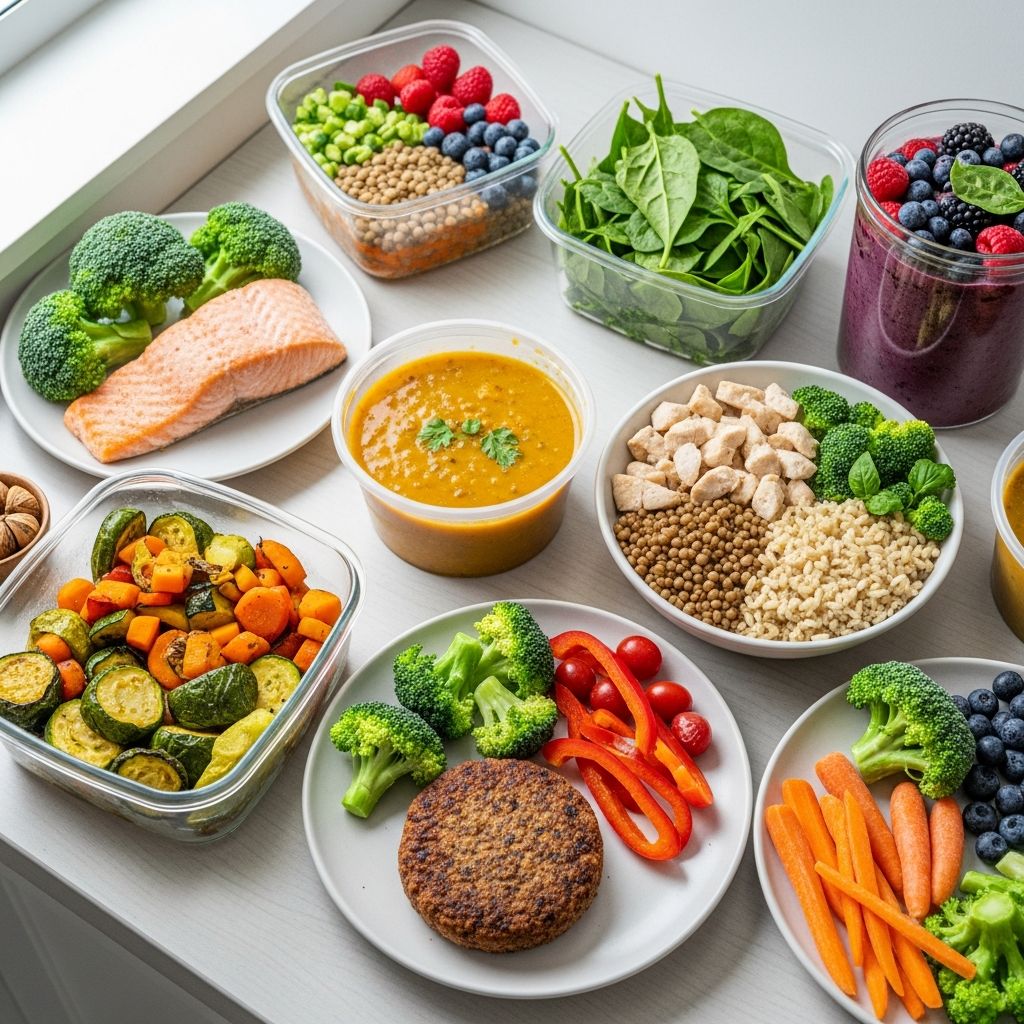
Frozen meals can be a powerful tool in your kitchen: they save time, reduce food waste, and can absolutely fit into a healthy eating pattern when you choose wisely. This guide walks you through how to pick healthy frozen options, stretch your budget, and use them strategically as part of your overall meal plan.
Are Frozen Meals Healthy?
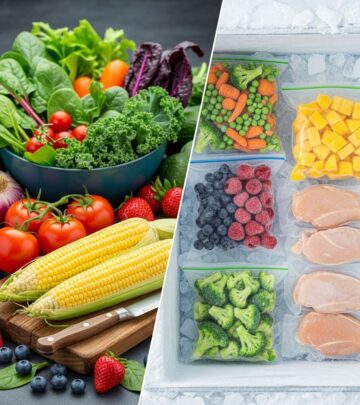
Frozen food often has an undeserved bad reputation, but the science paints a more nuanced picture. Freezing is simply a method of preservation: fruits and vegetables are typically picked at peak ripeness and frozen within hours, which helps them retain vitamins and minerals. In some cases, frozen produce can even retain nutrients better than fresh items that have been stored for days or weeks.
Ready-to-eat frozen meals are more mixed. Some are high in sodium, saturated fat, and added sugars, while others are balanced with lean protein, vegetables, and whole grains. The difference comes down to reading labels and choosing thoughtfully.
Benefits of Frozen Meals
- Convenience: They are quick to prepare and ideal for busy days.
- Portion control: Pre-portioned meals can help with weight management and learning appropriate serving sizes.
- Nutrient retention: Freezing preserves vitamins and minerals without adding preservatives.
- Reduced food waste: You can store meals longer and avoid throwing away spoiled food.
- Budget-friendly: Frozen options can be cheaper than takeout and often cost less per serving than dining out.
Common Drawbacks to Watch For
- High sodium: Many frozen dinners contain more sodium than ideal for regular intake.
- Low fiber: Some meals lack vegetables or whole grains, making them less filling.
- Insufficient protein: Certain options are low in protein, which can leave you hungry sooner.
- Added sugars and heavy sauces: Creamy or sugary sauces can add unnecessary calories and saturated fat.
How to Choose Healthy Frozen Meals
When you understand how to read labels, you can quickly separate the more nutritious meals from the rest. Use the steps below as a simple checklist.
Step 1: Check the Serving Size
Always start with the serving size on the Nutrition Facts label. Some trays count as two servings, even though most people will eat the entire package. If the package contains two servings, remember to double everything: calories, sodium, fat, and sugars.
Step 2: Look at Calories and Portion Balance
Depending on your needs, a typical frozen meal might provide around 300–600 calories. For many adults, a main meal in this range can fit into a balanced 2,000-calorie diet, but your needs may be higher or lower. Pair lower-calorie frozen meals with extra vegetables, a side salad, or fruit so you feel satisfied.
| Component | What to Aim For | Why It Matters |
|---|---|---|
| Calories | Approx. 300–600 (depending on your needs) | Leaves room for snacks and other meals in the day. |
| Protein | At least 15–20 g | Supports fullness and muscle maintenance. |
| Fiber | At least 3–5 g | Helps with satiety and digestion; indicates presence of whole grains/vegetables. |
| Sodium | Ideally ≤ 600–700 mg per meal | Helps keep daily sodium within recommended limits. |
| Saturated fat | As low as reasonably possible | Supports heart health as part of a balanced diet. |
Step 3: Read the Ingredients List
Scan the ingredients list and choose meals that emphasize whole, recognizable foods near the top, such as:
- Vegetables (broccoli, spinach, peas, carrots)
- Whole grains (brown rice, quinoa, whole wheat pasta)
- Lean proteins (chicken breast, turkey, beans, tofu, fish)
Limit meals where a heavy cream, cheese, or sugar-based sauce appears early in the ingredients list, as these usually add saturated fat, sugar, and calories without much extra nutrition.
Step 4: Focus on Sodium and Saturated Fat
The typical diet already contains more sodium than recommended, and frozen foods can contribute a significant amount. As a general rule, look for meals with:
- Sodium: Preferably 600–700 mg or less per serving.
- Saturated fat: As low as you can reasonably find, ideally under about 20% of daily value per meal.
Some specialized low-sodium frozen meals are available and can be helpful if you are managing blood pressure or heart disease.
Step 5: Make Sure There Is Enough Protein and Fiber
Many frozen meals are modest in calories but low in protein and fiber, which can leave you hungry soon after eating. Look for:
- Protein: At least 15–20 grams per meal.
- Fiber: 3–5 grams or more, often indicating the presence of vegetables and whole grains.
If a meal is low in protein or fiber, you can balance it out by adding your own sides, such as beans, vegetables, or a slice of whole grain bread.
Budget-Friendly Strategies for Using Frozen Meals
Healthy frozen meals can be part of a smart money plan when you use them strategically. They are often cheaper and more nutritious than last-minute takeout orders.
Compare Cost per Serving
When shopping, compare the cost per serving of frozen meals with restaurant meals or delivery. Even higher-quality frozen options are often significantly less expensive per meal than eating out, especially when purchased on sale or in bulk.
Mix Frozen Meals with Home-Cooked Sides
You do not have to rely on frozen dinners alone. Stretch your budget and boost nutrition by combining a frozen entree with simple, low-cost sides, such as:
- Frozen vegetables (steamed or roasted)
- A can of beans quickly heated with spices
- Brown rice or whole grain pasta cooked in batches
- Fresh fruit, yogurt, or a side salad
This approach makes the meal more filling and nutrient-dense without much extra time or money.
Buy Frozen in Bulk, but Store Smart
- Stock up during sales on your favorite healthy brands or store-brand dinners.
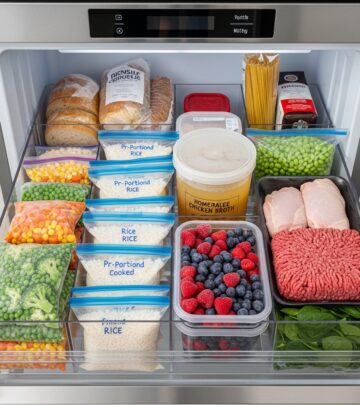
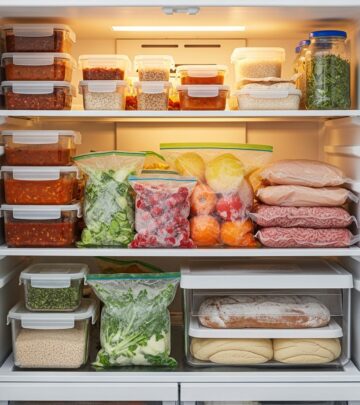
- Keep track of what is in your freezer to prevent forgotten items.
- Rotate older meals to the front so you use them first.
Frozen foods have a long shelf life, but quality is best when used within a few months for most items.
How to Build a Balanced Plate with Frozen Foods
Even if a frozen meal is not perfect, you can turn it into a more balanced plate by adding a few simple components at home.
1. Start with the Frozen Meal as the Base
Choose a frozen entree that includes at least one source of protein and some carbohydrates, such as a chicken and rice dish, a bean-based bowl, or a whole grain pasta meal.
2. Add Extra Vegetables
Most people benefit from more vegetables in their diet. Frozen vegetables are a convenient and budget-friendly way to add volume, fiber, and nutrients to any meal.
- Microwave a bag of frozen mixed veggies and stir into the meal.
- Serve the entree over a bed of steamed broccoli or spinach.
- Roast a sheet pan of frozen vegetables with a little oil and seasoning.
3. Include a Source of Healthy Carbohydrates (If Needed)
If the meal is low in carbohydrates or calories, add:
- Brown rice, quinoa, or barley
- A slice of whole grain toast
- Sweet potato or roasted potatoes
Whole grains provide extra fiber and help keep you full longer.
4. Round It Out with Healthy Fats or Extras
Depending on your nutritional needs, you might add small amounts of healthy fats, such as:
- A drizzle of olive oil over vegetables
- A sprinkle of nuts or seeds
- Half an avocado
Finish with a simple dessert like fresh fruit or yogurt if you are still hungry or want something sweet.
Frozen Meals and Weight Management
Portion-controlled frozen meals can support weight loss or maintenance when used intentionally. Because the full nutritional content is listed on the label, they make it easier to track calories, macronutrients, and sodium.
Advantages for Weight Management
- Portion control: Built-in serving sizes reduce guesswork and help prevent overeating.
- Predictable calories: Labeled calorie counts simplify tracking.
- Reduced decision fatigue: Having frozen meals on hand can prevent impulsive takeout orders.
Tips for Using Frozen Meals in a Weight-Loss Plan
- Choose meals that align with your calorie goals and include sufficient protein and fiber.
- Pair frozen meals with low-calorie, nutrient-dense sides like vegetables and salads.
- Avoid relying on frozen meals for every meal; include fresh and minimally processed foods as well.
Common Myths About Frozen Foods
Myth 1: Frozen Foods Have No Nutrients
In reality, freezing preserves most vitamins and minerals and does not significantly change carbohydrate, protein, or fat content. Frozen fruits and vegetables can be just as nutritious as fresh, and sometimes more so if fresh alternatives have been stored for long periods.
Myth 2: All Frozen Meals Are Unhealthy
While some frozen entrees are high in sodium, saturated fat, and added sugars, many brands now offer options that contain whole grains, lean proteins, and plenty of vegetables. The key is reading the labels and choosing wisely.
Myth 3: Frozen Meals Cannot Be Filling
Some frozen meals are low in calories and may not meet everyone’s needs on their own. However, you can easily make them more satisfying by adding extra vegetables, beans, or whole grains, which increase volume, fiber, and nutrients.
Frequently Asked Questions (FAQs)
Q: Can I eat frozen meals every day and still be healthy?
A: Frozen meals can fit into a healthy eating pattern, especially when they are balanced and paired with fruits, vegetables, and other whole foods. However, relying on them exclusively may limit variety, so it is beneficial to mix in fresh or home-cooked meals when possible.
Q: What is the healthiest type of frozen meal to choose?
A: Look for options that include lean protein, vegetables, and whole grains, with moderate calories, lower sodium, and limited saturated fat and added sugars. Checking the Nutrition Facts label and ingredients list is the best way to compare options.
Q: Are frozen vegetables as good as fresh vegetables?
A: From a nutrition standpoint, frozen vegetables are often comparable to fresh and can sometimes be superior if they are frozen soon after harvest. They are a convenient and budget-friendly way to add more produce to your meals.
Q: How can I lower the sodium in a frozen meal?
A: Choose low-sodium or reduced-sodium options when available, avoid using the full sauce packet if it is separate, and pair the meal with unsalted sides like steamed vegetables or a fresh salad. You can also dilute salty flavors by adding extra cooked grains or vegetables.
Q: Are frozen meals a good option for people trying to lose weight?
A: Yes, they can be helpful for portion control and calorie tracking when chosen carefully and combined with healthy sides. Focus on meals that provide enough protein and fiber and fit within your total daily calorie goals.
References
- Frozen Foods: Convenient and Nutritious — Academy of Nutrition and Dietetics. 2024-02-01. https://www.eatright.org/food/planning/smart-shopping/frozen-foods-convenient-and-nutritious
- FSHN12-02/FS186: Shopping for Health: Guide to Frozen Meals — University of Florida IFAS Extension. 2021-03-01. https://edis.ifas.ufl.edu/publication/FS186
- Frozen meals: Are they good, healthy options to eat? — Baylor College of Medicine. 2025-12-01. https://blogs.bcm.edu/2025/12/01/frozen-meals-are-they-good-healthy-options-to-eat/
- The Truth About Frozen Food — University of Utah Health. 2024-11-15. https://healthcare.utah.edu/healthfeed/2024/11/truth-about-frozen-food
- Low Sodium Frozen Meals: 21 Dietitian-Approved Options — Healthline. 2023-08-07. https://www.healthline.com/health/food-nutrition/low-sodium-frozen-meals
- Frozen Foods: 10 Ways They Support National Health Goals — American Frozen Food Institute. 2020-06-01. https://affi.org/affi-shares-10-ways-frozen-foods-can-support-national-health-goals/
- 12 Benefits of Frozen Foods — Easy Home Meals / National Frozen & Refrigerated Foods Association. 2022-05-10. https://www.easyhomemeals.com/cooking-tips-inspiration/12-reasons-frozen-foods-better/
Similar Articles








Read full bio of Sneha Tete