Health Insurance PPOs vs HMOs: Complete Guide
Compare PPO and HMO health insurance plans to find the best coverage option for your healthcare needs and budget.
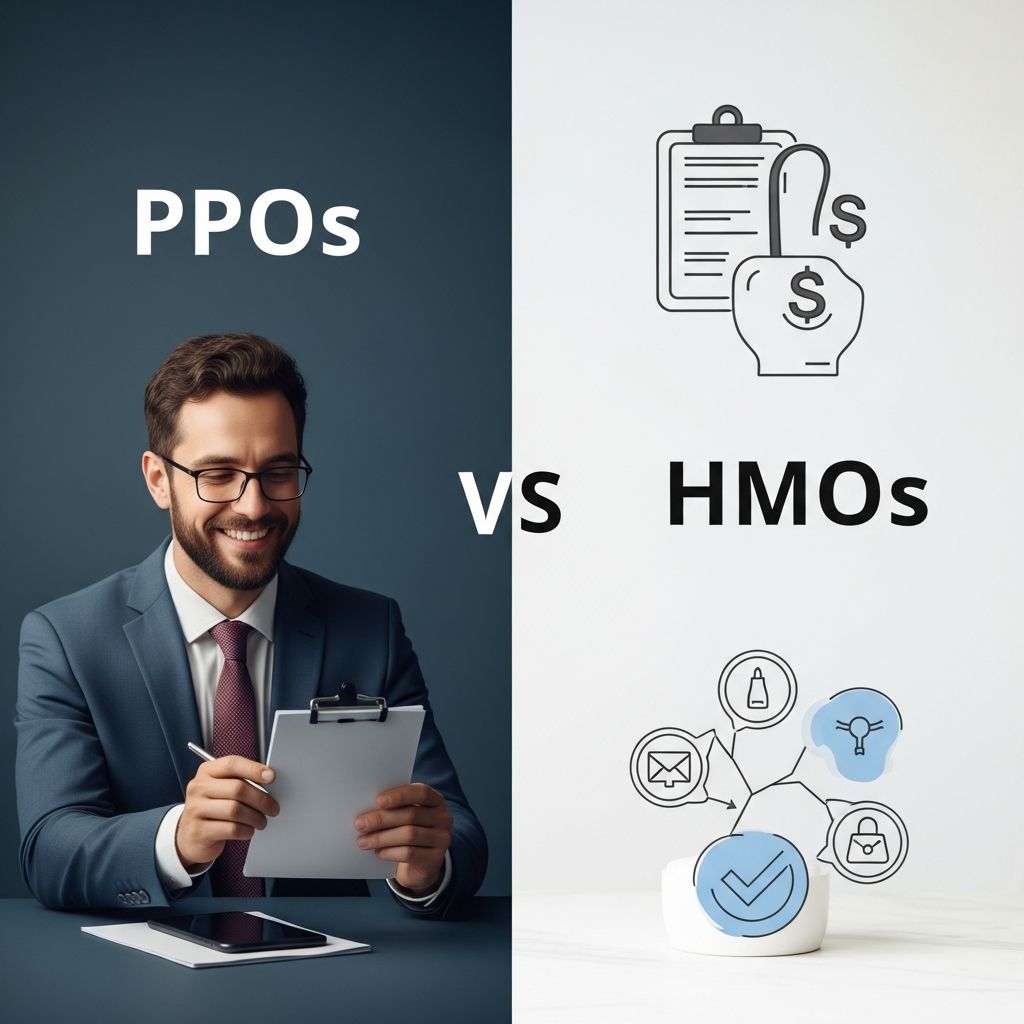
Choosing the right health insurance plan is one of the most important financial decisions you’ll make for your family. Among the most common options available to individuals and families are Preferred Provider Organization (PPO) plans and Health Maintenance Organization (HMO) plans. While both provide essential health coverage, they differ significantly in their approach to managing care, costs, and provider networks. Understanding these differences is crucial for selecting a plan that aligns with your healthcare needs and budget.
What Is an HMO Insurance Plan?
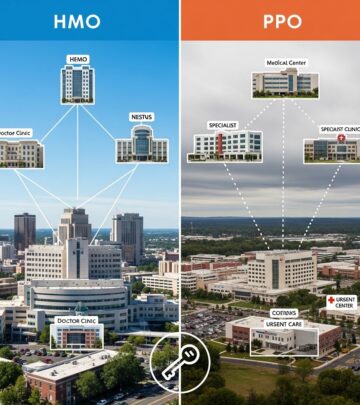
A Health Maintenance Organization (HMO) is a type of health insurance plan that emphasizes preventive care and coordinated treatment through a specific network of healthcare providers. HMO plans are designed to be cost-effective by controlling expenses through a structured approach to medical care.
With an HMO plan, you gain access to a predetermined network of doctors, hospitals, and healthcare facilities. All of your medical care must be received from providers within this network, with limited exceptions for emergency situations. This network-based approach allows HMO plans to negotiate lower rates with providers, which translates into lower costs for members.
One of the defining features of an HMO plan is the requirement to select a primary care physician (PCP). Your PCP serves as the central coordinator for all your healthcare needs and is responsible for managing your overall health, providing routine care, and referring you to specialists when necessary. This gatekeeping function helps ensure that care is coordinated and appropriate.
Key Characteristics of HMO Plans
- Lower monthly premiums compared to other plan types
- Lower or no deductibles in many cases
- Lower out-of-pocket costs for covered services
- Required selection of a primary care physician
- PCP referrals needed to see specialists
- Coverage limited to in-network providers, except emergencies
- Emphasis on preventive care and wellness
What Is a PPO Insurance Plan?
A Preferred Provider Organization (PPO) is a health insurance plan that offers significantly more flexibility than HMO plans while maintaining a network of preferred providers. PPO plans allow you to receive care from both in-network and out-of-network providers, giving you greater control over your healthcare choices.
With a PPO plan, you are not required to select a primary care physician, although you may choose to do so. You also do not need referrals from a primary care doctor to see specialists. This flexibility means you can see any doctor or specialist you prefer without prior authorization from a gatekeeper physician.
The trade-off for this increased flexibility is higher costs. PPO plans typically have higher monthly premiums and higher out-of-pocket expenses compared to HMO plans. Additionally, you will usually have a deductible that you must meet before your insurance begins to cover your healthcare costs.
Key Characteristics of PPO Plans
- Higher monthly premiums than HMO plans
- Higher out-of-pocket costs and deductibles
- No requirement to select a primary care physician
- No need for referrals to see specialists
- Coverage for both in-network and out-of-network providers
- Greater flexibility in choosing healthcare providers
- Larger provider networks available
Primary Differences Between HMO and PPO Plans
To help you understand which plan might be best for your situation, it’s important to examine the main differences between HMO and PPO plans across several key dimensions.
Cost Structure
One of the most significant differences between HMO and PPO plans is cost. HMOs are designed to be more budget-friendly, offering lower monthly premiums and reduced out-of-pocket expenses. Many HMO plans have no deductible or a very low deductible, meaning you can begin using your benefits immediately or with minimal out-of-pocket spending.
PPO plans, conversely, typically carry higher monthly premiums to offset the increased flexibility and broader coverage they provide. PPO plans almost always include a deductible that you must satisfy before your insurance begins paying for most services. Your out-of-pocket costs with a PPO will generally be higher than with an HMO, especially if you require frequent medical services.
Network Coverage and Provider Flexibility
HMO plans restrict your coverage to in-network providers. If you choose to see a doctor or visit a hospital outside the HMO network, you will typically have to pay the entire cost of services out of your own pocket, with the exception of true medical emergencies. This limitation encourages members to stay within the network and helps keep costs predictable.
PPO plans offer much greater flexibility. You can see providers both in-network and out-of-network. While your costs will be lower if you use in-network providers, your PPO plan will still provide some level of coverage for out-of-network care. This means you can maintain relationships with doctors outside the network and still receive partial reimbursement for their services.
Referral Requirements
HMO plans typically require you to obtain a referral from your primary care physician before seeing a specialist. Your PCP must determine that specialist care is medically necessary before referring you to another provider within the network. Without this referral, specialist costs may not be covered.
PPO plans do not require referrals to see specialists. You can schedule an appointment with any specialist in or out of the network without first consulting your primary care physician or obtaining authorization. This gives you more autonomy in managing your healthcare decisions.
Primary Care Physician Requirements
HMO plans mandate that you select a primary care physician who will serve as your main point of contact for healthcare. Your PCP coordinates all your care, manages your medical records, and determines when specialist care is appropriate.
PPO plans do not require you to choose a primary care physician. If you do select one, they can provide routine and preventive care, but you are not obligated to go through them to access other services or specialists.
Comparing HMO and PPO: Advantages and Disadvantages
| Feature | HMO | PPO |
|---|---|---|
| Monthly Premiums | Lower | Higher |
| Out-of-Pocket Costs | Lower | Higher |
| Deductibles | Low or None | Common and Higher |
| PCP Required | Yes | No |
| Referrals for Specialists | Required | Not Required |
| In-Network Only Coverage | Yes (except emergencies) | No |
| Out-of-Network Coverage | Emergencies Only | Partial Coverage Available |
| Provider Choice | Limited | Broad |
| Flexibility | Low | High |
HMO Advantages
Affordability: HMO plans are generally the most budget-friendly option available. With lower monthly premiums, reduced deductibles, and minimal out-of-pocket costs, HMO plans are ideal for individuals and families watching their healthcare expenses carefully.
Lower Prescription Costs: Many HMO plans offer discounted prescription drug coverage, making medications more affordable for members who require regular prescriptions.
Coordinated Care: The gatekeeping system ensures that your healthcare is well-coordinated. Your primary care physician has access to your complete medical history and can ensure you receive appropriate, comprehensive care.
HMO Disadvantages
Limited Provider Choice: You are restricted to seeing doctors and specialists within the HMO network. If your preferred provider is not in the network, you would need to switch to receive coverage.
Referral Requirements: The need to obtain referrals from your PCP before seeing specialists can slow down access to specialized care, especially in urgent situations.
No Out-of-Network Coverage: Except for emergencies, HMO plans do not cover services from out-of-network providers. This can create challenges if you travel frequently or need care from a specialist not in your network.
PPO Advantages
Greater Flexibility: PPO plans offer the freedom to choose any healthcare provider you prefer. You can see specialists without referrals and maintain existing relationships with doctors outside the network.
Broader Provider Network: PPO plans typically offer larger networks of participating providers, giving you more options for where to receive care.
Out-of-Network Coverage: While costs are higher, PPO plans do provide some coverage for out-of-network services. This is particularly valuable if you need to see a specialist not participating in the plan.
PPO Disadvantages
Higher Costs: PPO plans are more expensive overall, with higher monthly premiums, deductibles, and out-of-pocket expenses. This makes them less suitable for budget-conscious consumers.
Complex Cost Structure: With both in-network and out-of-network coverage options, understanding your costs and maximizing your benefits requires more effort and understanding of the plan details.
How to Choose Between HMO and PPO Plans
Selecting between an HMO and a PPO depends on your individual circumstances, healthcare needs, and priorities. Consider the following factors when making your decision:
Budget Considerations: If you have limited healthcare expenses and want to minimize monthly premiums, an HMO plan may be the better choice. However, if you anticipate significant medical needs or prefer maximum flexibility, the higher cost of a PPO might be worth the investment.
Provider Preferences: If you have specific doctors or specialists you want to see, verify whether they participate in the plan’s network before enrolling. If your preferred providers are not in an HMO network, a PPO might be necessary.
Travel and Mobility: If you travel frequently or split time between different locations, a PPO’s broader coverage, especially for out-of-network care, provides more security and peace of mind.
Healthcare Needs: Consider your anticipated healthcare utilization. If you need frequent specialist care, a PPO’s lack of referral requirements may be advantageous. If you primarily need preventive care and occasional visits, an HMO’s coordinated approach might be sufficient.
Understanding Emergency Coverage with Both Plan Types
Both HMO and PPO plans provide coverage for genuine medical emergencies, regardless of whether the provider is in-network or out-of-network. In true emergency situations where you require immediate care to prevent serious harm or death, both plan types will cover your treatment at the nearest emergency room or urgent care facility.
However, it’s important to understand what constitutes a covered emergency in your specific plan. Always review your plan documents to understand the definition and coverage details for emergencies in your particular HMO or PPO.
Special Considerations: Other Plan Types
While HMO and PPO plans are the most common, it’s worth noting that other plan types exist. Exclusive Provider Organizations (EPOs) offer a middle ground between HMO and PPO plans, with higher out-of-pocket costs than HMOs but lower than PPOs, and typically no referral requirements but limited out-of-network coverage. High Deductible Health Plans (HDHPs) are paired with Health Savings Accounts and appeal to those willing to accept higher deductibles in exchange for lower premiums and tax-advantaged savings opportunities.
Frequently Asked Questions About HMO and PPO Plans
Q: Can I switch from an HMO to a PPO during the year?
A: In most cases, you can only change plans during the open enrollment period. However, certain qualifying life events (such as marriage, birth of a child, or loss of coverage) may allow you to switch plans outside the regular enrollment window. Contact your insurance provider or visit Healthcare.gov to understand your options.
Q: Do HMO plans ever cover out-of-network care?
A: HMO plans typically only cover out-of-network care in genuine emergency situations where immediate care is necessary to prevent serious injury or death. Non-emergency out-of-network care is generally not covered, and you would be responsible for the full cost.
Q: Is a referral always required with an HMO?
A: While most HMO plans require referrals from your primary care physician to see specialists, some HMO plans may not require referrals for certain services. Always check your specific plan documents or contact your insurance company to understand your plan’s referral requirements.
Q: Can I see any doctor with a PPO plan?
A: With a PPO plan, you can see any doctor in or out of the network. However, your costs will be significantly lower if you see an in-network provider. Out-of-network care will have higher out-of-pocket costs and may require you to pay more upfront before reimbursement.
Q: Which plan is better for frequent travelers?
A: PPO plans are generally better for frequent travelers because they provide coverage for out-of-network providers. This means you can receive care while traveling and still have some coverage. HMO plans are more restrictive and would require you to pay out-of-pocket for non-emergency care outside the network.
Q: How do I know if my doctor is in-network?
A: You can typically search your insurance company’s provider directory on their website or mobile app. You can search by provider name, specialty, or location to verify in-network status before scheduling an appointment.
Q: Are prescription drugs covered by both HMO and PPO plans?
A: Yes, both HMO and PPO plans typically include prescription drug coverage. However, the specific medications covered, copay amounts, and whether prior authorization is required may vary between plans. Review your plan’s formulary to understand your prescription coverage.
References
- Differences Between PPO & HMO Insurances — Ridgecrest Regional Hospital. https://www.rrh.org/patients-visitors/billing-insurance/differences-between-ppo-hmo-insurances/
- HMO vs. PPO — WebMD. https://www.webmd.com/health-insurance/hmo-vs-ppo
- PPO vs. HMO Insurance: What’s the Difference? — Medical Mutual. https://www.medmutual.com/Individuals-and-Families/HMO-vs-PPO-Insurance-Plans
- HMO vs. PPO: Understanding the key differences — Kaiser Permanente. https://healthy.kaiserpermanente.org/southern-california/learn/hc.hmo-vs-ppo-advantages
- HMO vs. PPO — Independence Blue Cross. https://www.ibx.com/find-a-plan/individuals-and-families/health-insurance-basics/hmo-vs-ppo
- Health insurance plan & network types: HMOs, PPOs, and more — Healthcare.gov. https://www.healthcare.gov/choose-a-plan/plan-types/
Similar Articles








Read full bio of medha deb