Health Insurance Explained
Unlock the essentials of health insurance: from premiums and deductibles to networks and coverage options for smarter healthcare choices.
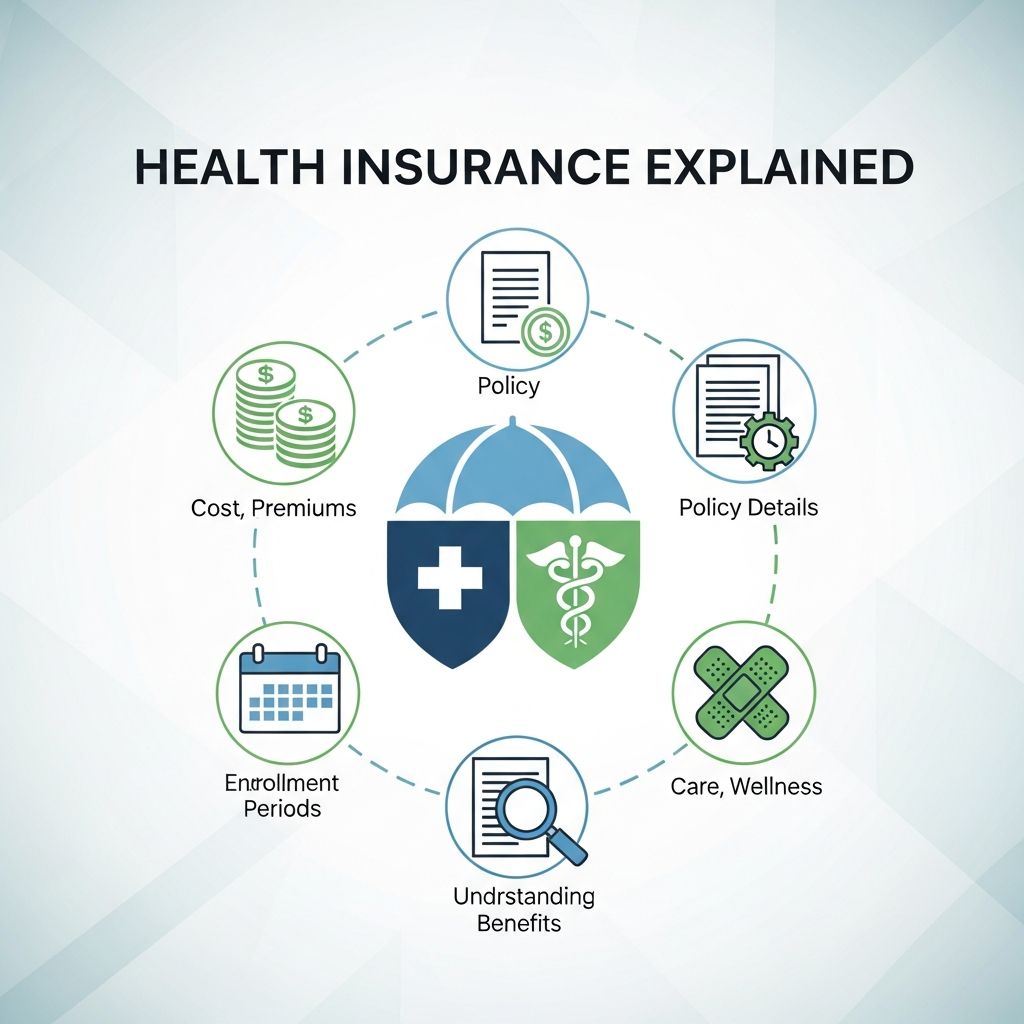
Health insurance serves as a financial safety net for medical expenses, allowing individuals to access doctors, hospitals, medications, and preventive services without facing catastrophic costs. By paying a regular premium, policyholders share the risk with an insurer who covers a portion of eligible care.
The Core Agreement: Premiums and Coverage Basics
At its foundation, health insurance is a contract between you and an insurer. You commit to monthly premiums, which maintain your active coverage. In exchange, the plan reimburses approved medical services, such as routine check-ups, emergency room visits, surgeries, and prescriptions.
Plans typically span one year, outlining covered benefits—what services qualify, payment amounts, and duration. Coverage extends to hospital stays, physician consultations, therapies, and even home health aids, while also funding preventive measures to avert illnesses.
- Premiums ensure continuous protection; missing payments risks cancellation, leaving you fully liable for bills.
- Plans distinguish between essential health benefits mandated by law, including maternity care, mental health services, and pediatric screenings.
Cost-Sharing Mechanisms: Who Pays What?
Health plans employ several tools to divide expenses between you and the insurer, balancing affordability with usage incentives. Understanding these prevents surprises at checkout.
Deductibles: Your Starting Point
A deductible is the initial amount you pay out-of-pocket for covered services before insurer contributions begin. For instance, a $1,500 deductible means you cover the first $1,500 in eligible claims annually.
High-deductible plans often pair with lower premiums, suiting healthy individuals anticipating minimal care. Deductibles reset yearly and may differ for in-network versus out-of-network providers.
Copays and Coinsurance: Ongoing Shares
After meeting the deductible, copays—flat fees like $20 per office visit—apply to specific services. Coinsurance involves splitting remaining costs percentage-wise, such as 20% from you and 80% from the plan on a $500 procedure ($100 your share).
These vary by service; preventive visits often incur zero cost under ACA rules.
| Cost Type | Description | Example |
|---|---|---|
| Deductible | Annual amount paid before coverage kicks in | $1,000 for all services |
| Copay | Fixed fee per visit/service | $30 doctor visit |
| Coinsurance | Percentage split post-deductible | 20% after deductible |
Out-of-Pocket Maximums: The Safety Cap
Every plan sets an out-of-pocket maximum, capping your yearly spending on deductibles, copays, and coinsurance. Once reached, the insurer covers 100% of additional covered services, protecting against unlimited liability.
Provider Networks: In-Network vs. Out-of-Network
Insurers negotiate discounted rates with in-network providers—doctors, hospitals, and labs agreeing to these terms. Using them minimizes your costs via lower allowed amounts, the maximum reimbursable fee.
Out-of-network care triggers higher deductibles, coinsurance, or full payment, except in emergencies. Always verify provider status before appointments.
- HMO (Health Maintenance Organization): Strict network; requires primary care physician (PCP) referrals for specialists.
- PPO (Preferred Provider Organization): Flexible; no referrals needed, but incentives for in-network use.
- POS (Point of Service): Hybrid, blending HMO structure with some out-of-network options.
Public Health Insurance Programs
Medicare: Coverage for Seniors and Disabled
Medicare, a federal program, primarily serves those 65+ or with qualifying disabilities. Part A covers inpatient hospital, skilled nursing, and hospice; Part B handles outpatient care and preventive services. Part D adds prescription drugs.
Medigap policies supplement gaps like deductibles. Enrollment windows are limited; in Illinois, SHIP offers free counseling.
Medicaid and CHIP: Aid for Low-Income Families
Medicaid provides coverage for low-income adults, children, pregnant women, and disabled individuals, varying by state. CHIP extends to children in higher-income eligible families. These programs often feature low or no premiums.
Private Coverage Pathways
Most working-age adults obtain insurance via employers, with open enrollment annually or upon qualifying events like marriage. Employers may subsidize premiums and administer claims.
Individuals can purchase through the Health Insurance Marketplace, where subsidies lower costs based on income. Short-term plans offer temporary bridges but fewer protections.
ACA Protections: Safeguards for All
The Affordable Care Act transformed insurance by barring pre-existing condition denials, removing lifetime caps, mandating free preventive care, and extending dependent coverage to age 26.
- No annual/lifetime limits on essentials.
- Essential benefits standardized across plans.
- Marketplace shopping with tax credits.
Selecting the Right Plan
Compare premiums against potential usage; young, healthy individuals may favor high-deductible plans with HSAs for tax-free savings. Families prioritize comprehensive coverage.
Review summaries of benefits, network adequacy, and prescription formularies. State regulators oversee small-group plans.
Frequently Asked Questions (FAQs)
What happens if I miss a premium payment?
Coverage lapses, requiring full payment for services until reinstatement. Budget premiums like rent.
Does insurance cover pre-existing conditions?
Yes, under ACA; no denials or exclusions allowed.
Can I keep my doctor’s insurance changes?
Check if your provider joins the new network; PPOs offer more flexibility.
What’s the difference between HMO and PPO?
HMOs require referrals and network-only care; PPOs allow out-of-network at higher cost.
Are preventive services free?
Yes, ACA mandates no copays for check-ups, vaccines, and screenings.
Navigating Claims and Appeals
Providers bill insurers directly for in-network care. Explanation of Benefits (EOB) details payments. Dispute denials via appeals, supported by medical records.
Track expenses for tax deductions, especially HSA contributions. Stay proactive to maximize value.
References
- Health Insurance – How it Works — Illinois Department of Insurance. 2023. https://idoi.illinois.gov/consumers/consumerinsurance/health/health-insurance-how-it-works.html
- How Insurance Works — Mental Health America. 2024-01-15. https://mhanational.org/resources/how-insurance-works/
- How Health Insurance Works — UCLA Health. 2025. https://www.uclahealth.org/patient-resources/billing-insurance/how-health-insurance-works
- Understanding Health Insurance — University of Oregon Health Services. 2024-09-01. https://health.uoregon.edu/understanding-health-insurance
- Health Insurance Basics — Centers for Medicare & Medicaid Services (CMS). 2023-11-20. https://www.cms.gov/files/document/nsa-health-insurance-basics.pdf
Similar Articles








Read full bio of Sneha Tete