Hazard vs Homeowners Insurance Explained
Unpack the key differences between hazard insurance and full homeowners coverage to protect your home effectively and meet lender requirements.

Homeownership brings responsibilities, especially when it comes to protecting your property from unexpected events. Many new buyers encounter terms like hazard insurance and homeowners insurance, often wondering if they refer to the same thing. While related, these concepts serve distinct purposes within property protection strategies.
Defining Hazard Insurance
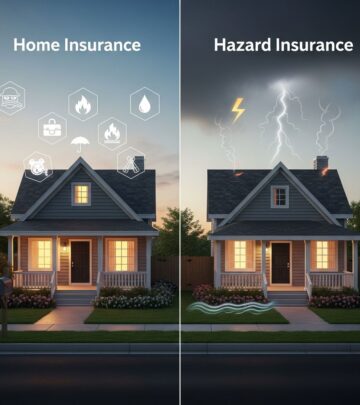
Hazard insurance specifically safeguards the physical structure of your home against certain risks, known as perils. This includes the dwelling itself—think walls, roof, foundation, and built-in systems like plumbing and electrical wiring. Lenders frequently require this coverage to protect their financial interest in the property.
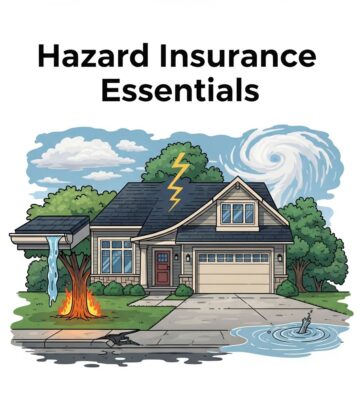
Common perils covered under hazard insurance typically include fire, windstorms, hail, lightning, explosions, and vandalism. For instance, if a tree falls on your roof during a storm, this coverage could help fund repairs to the damaged area. However, it does not extend to your personal belongings or legal liabilities—that’s where broader policies come in.
What Constitutes Homeowners Insurance?
Homeowners insurance is a comprehensive package that encompasses hazard insurance as one of its core components, usually labeled as dwelling coverage or Coverage A. Beyond the home’s structure, it includes several additional protections:
- Other structures (Coverage B): Detached buildings like garages, sheds, or fences.
- Personal property (Coverage C): Your belongings, from furniture to electronics, against theft or damage.
- Loss of use (Coverage D): Temporary living expenses if your home becomes uninhabitable due to a covered event.
- Liability (Coverage E): Legal and medical costs if someone is injured on your property.
- Medical payments (Coverage F): Minor injury coverage for guests, regardless of fault.
This bundled approach ensures holistic protection, making homeowners insurance far more than just hazard coverage.
Key Distinctions: A Side-by-Side Comparison
To clarify the differences, consider this breakdown:
| Aspect | Hazard Insurance | Homeowners Insurance |
|---|---|---|
| Scope | Only home structure (dwelling) | Structure, contents, liability, and more |
| Coverage Type | Dwelling (Coverage A) | All coverages A through F |
| Lender Requirement | Minimum for mortgages | Satisfies hazard needs plus extras |
| Personal Items | Not covered | Yes, via personal property |
| Liability Protection | No | Yes, extensive |
This table highlights why opting for full homeowners insurance provides superior value over standalone hazard protection, which isn’t typically available separately.
Why Lenders Demand Hazard Insurance
Mortgage providers mandate hazard insurance to mitigate risks to their collateral—your home. Without it, they could face losses if a covered peril damages the property before the loan is repaid. Most standard policies, like HO-3 forms, use an open perils approach for the dwelling (covering all risks except exclusions) but named perils for contents.
If you fail to secure adequate coverage, lenders may impose force-placed insurance. This is pricier and narrower, often covering only the lender’s interest rather than yours. Shop for your own policy to avoid this pitfall and ensure it meets lender specs, such as sufficient dwelling limits.
Common Perils Covered and Exclusions
Standard hazard components protect against a range of events:
- Fire or lightning strikes damaging the roof or walls.
- Hail or wind ripping off siding or shingles.
- Vandalism or theft-related structural harm, like broken windows.
- Weight of ice, snow, or sleet collapsing the roof.
- Vehicle impacts or falling objects breaching the exterior.
However, exclusions are critical: floods, earthquakes, and wear-and-tear damage require separate policies. For flood-prone areas, the National Flood Insurance Program offers options, while earthquake coverage is often an add-on.
Navigating Policy Types and Peril Structures
Understanding policy forms is key. HO-3 policies, the most popular, offer broad dwelling protection on an open-perils basis—anything not explicitly excluded. Personal property, however, follows named perils, listing specific covered events. HO-2 and HO-5 provide varying levels of named or open coverage.
Review your declarations page to confirm what’s included. Adjusting deductibles or limits can tailor protection to your needs and budget.
Costs and Savings Strategies
Homeowners premiums average around $1,200–$2,000 annually, varying by location, home value, and risks. Hazard-only elements contribute to this but are not isolated. To lower costs:
- Bundle with auto insurance for discounts.
- Install security systems or storm shutters.
- Increase deductibles if you have savings buffers.
- Seek quotes from multiple insurers annually.
Force-placed options can exceed $3,000 yearly, underscoring the value of proactive shopping.
Steps to Secure Proper Coverage
- Assess your home’s value: Use rebuilding cost calculators, not market price.
- Review lender requirements: Ensure dwelling coverage matches loan amounts.
- Compare policies: Look beyond price to peril coverage and exclusions.
- Add endorsements: For floods, quakes, or high-value items.
- Update annually: Reflect renovations or inflation.
Real-World Scenarios: When Coverage Matters
Imagine a hailstorm dents your roof: Hazard/dwelling coverage repairs it, while loss of use pays for a hotel if leaks force evacuation. A guest slips in your kitchen? Liability handles medical bills. Burglars smash a window and steal jewelry? Structural fixes fall under dwelling; contents cover the theft.
These examples show how integrated coverages prevent financial devastation.
Frequently Asked Questions
Can I buy hazard insurance alone?
No, it’s not sold separately; it’s embedded in homeowners policies as dwelling coverage.
Does hazard insurance cover floods?
No, floods require a separate NFIP or private policy.
What if my lender force-places insurance?
Replace it promptly with your own comprehensive policy to save money and gain better protection.
How much dwelling coverage do I need?
Enough to rebuild your home at current costs, typically 100% of replacement value.
Is renters insurance similar?
No, it covers personal property and liability but not the building structure.
Enhancing Your Protection Plan
Beyond basics, consider umbrellas for extra liability or scheduled items for valuables. Regular maintenance reduces claims, preserving no-claim discounts. Consult an agent to customize based on your locale’s risks, like hurricanes in coastal areas or wildfires inland.
Ultimately, while hazard insurance meets minimal lender needs, full homeowners insurance delivers peace of mind against diverse threats.
References
- The difference between homeowners insurance and hazard insurance — Bankrate. 2023-10-15. https://www.bankrate.com/insurance/homeowners-insurance/home-insurance-vs-hazard-insurance/
- Hazard Insurance vs Homeowners Insurance — The Hartford. 2024-02-20. https://www.thehartford.com/aarp/homeowners-insurance/hazard-insurance-vs-homeowners-insurance
- Hazard insurance vs. home insurance — Plymouth Rock Assurance. 2023-11-05. https://www.plymouthrock.com/resources/hazard-insurance-vs-home-insurance
- Is Hazard Insurance the Same as Homeowners Insurance? — Nationwide. 2024-01-12. https://www.nationwide.com/lc/resources/home/articles/is-hazard-insurance-the-same-as-homeowners-insurance
- Hazard Insurance vs. Home Insurance — National Association of Realtors. 2023-09-18. https://www.nar.realtor/insurance/hazard-insurance-vs-home-insurance
- What is hazard insurance, and how does it work? — Kin Insurance. 2024-03-10. https://www.kin.com/blog/hazard-insurance/
Similar Articles








Read full bio of Sneha Tete