Haunted Homes: Bargain or Nightmare?
Explore if buying a haunted house truly saves money amid rising prices and shifting buyer attitudes.
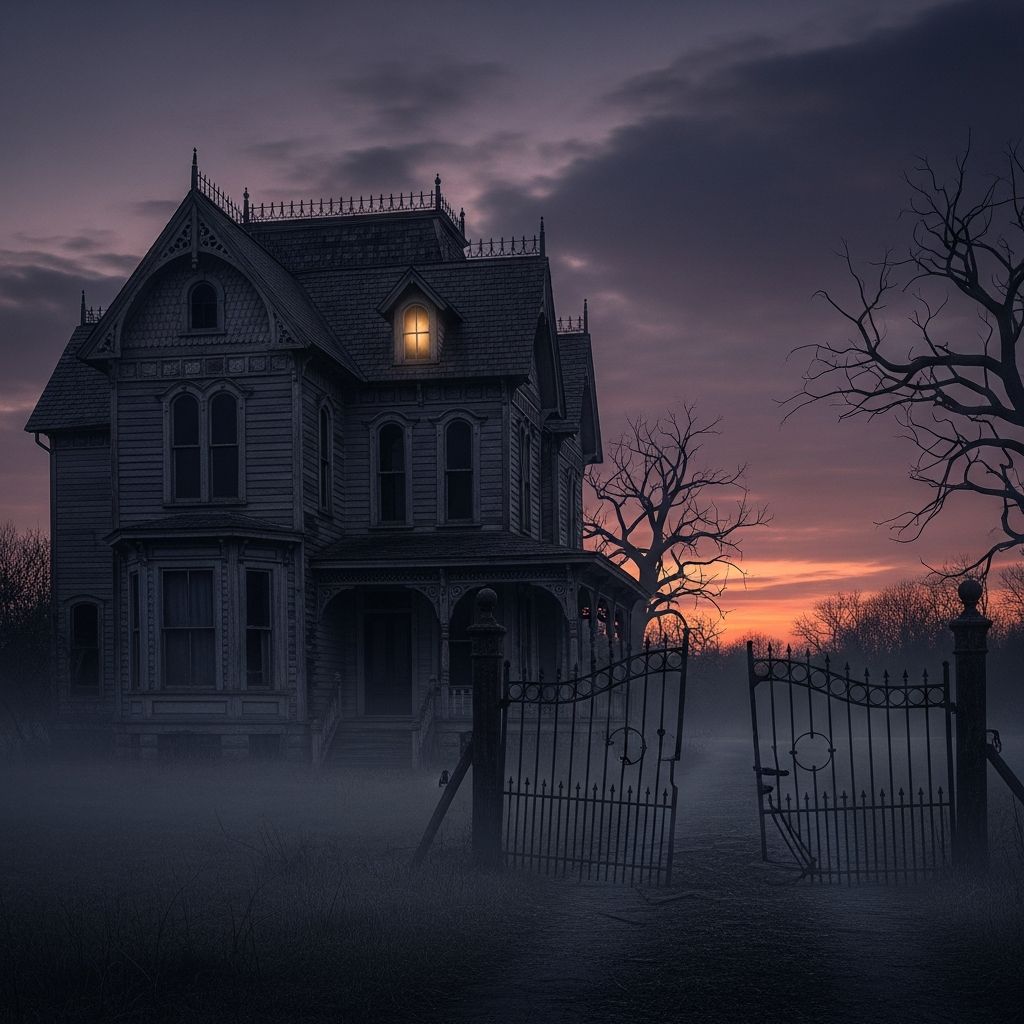
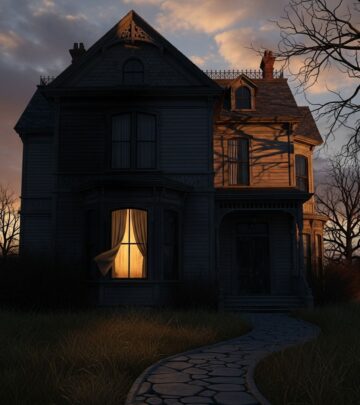
In a housing market where affordability challenges dominate headlines, properties with eerie reputations are gaining unexpected attention. Recent surveys indicate that a significant portion of potential buyers—up to 65%—would entertain purchasing a home rumored to be haunted, primarily if offered at a steep discount. This shift reflects not just curiosity about the paranormal but a pragmatic response to high prices and limited inventory.
The Growing Appeal of Spooky Properties
Buyer sentiment toward haunted houses has evolved dramatically. Polls from 2024 and 2025 show that nearly two-thirds of Americans are open to such listings, with 40% expressing outright interest and another 25% considering it conditionally. This openness stems from housing market pressures, where median home prices continue to climb, pushing first-time buyers toward unconventional options.
One key driver is personal experience: about 35% of respondents report having lived in what they believed was a haunted residence, often without prior knowledge. Among those, 73% discovered the reputation after moving in, yet many stayed, suggesting tolerance for spectral lore when balanced against other homeownership realities.
Discount Expectations: What Buyers Demand
Price is the ultimate equalizer in haunted house transactions. Data reveals that 62% of buyers would only bid below market value on such properties, with 31% willing to offer at least $50,000 less. More specifically, 40% seek 40-59% reductions, while 29% find 20-39% sufficient to offset the stigma.
| Discount Range | Buyer Interest (%) | Source |
|---|---|---|
| 20-39% | 29% | |
| 40-59% | 40% | |
| Below Market by $50K+ | 31% |
These figures highlight how stigma translates to tangible savings. In tight markets, this can mean less competition and stronger negotiating power for bold buyers.
Stigmatized Properties Defined
Haunted houses fall under “stigmatized properties,” which carry psychological rather than physical defects—like past crimes, deaths, or paranormal claims. Unlike structural issues, these don’t require repairs but can prolong market time and depress offers. Courts have recognized this impact; for instance, a landmark case upheld reduced value due to a home’s haunted reputation.
Sellers must navigate disclosure carefully. About 70-75% of buyers expect transparency on suspected hauntings. Failure to disclose can lead to lawsuits, as seen in rulings favoring buyers who felt misled about a property’s history.
Legal Landscape for Disclosures
Real estate laws on stigmatized properties vary by state. In many places, sellers aren’t required to reveal paranormal activity unless it’s tied to material facts like health hazards. However, 70%+ of consumers believe full upfront disclosure is ethical, pressuring agents to err on the side of caution.
- Federal Guidelines: No uniform rules; relies on state statutes.
- Caveat Emptor States: “Buyer beware”—limited seller obligations.
- Disclosure States: Mandates revealing known stigmas, including deaths within certain years.
Consult local real estate attorneys or agents to comply. Tools like seller disclosure forms often include checkboxes for unusual events, protecting all parties.
Buyer Perspectives: Fear vs. Opportunity
Not all buyers shy away; 29% are drawn to the novelty, history, or character of haunted homes. Zillow data notes this allure, especially for older properties with architectural charm. Conversely, 33-48% remain firm no-gos, regardless of price.
Practical fears often trump ghosts: 93% worry more about mold (60%), termites (57%), or roof leaks (54%) than spirits (7%). A 2025 report confirms 52% would buy if priced right, prioritizing affordability over apparitions.
Seller Strategies for Success
For owners of stigmatized homes, smart tactics can minimize losses:
- Price Aggressively: Start 10-30% below comps to attract investors.
- Enhance Presentation: Use high-quality photos, virtual staging, and neutral decor to downplay lore.
- Highlight Positives: Emphasize renovations, location, and value to shift focus from history.
- Target Niche Buyers: Market to paranormal enthusiasts or flippers via specialized listings.
Investors often de-stigmatize through updates, turning liabilities into profits. Transparency builds trust, speeding sales.
Case Studies: Real-World Outcomes
High-profile examples illustrate the dynamics. A Hollywood home tied to a murder sold below asking despite appeal, lingering on market due to stigma. Conversely, savvy buyers snag deals: 40% of known haunted house purchasers cited price as the decider.
In 2023-2025 surveys, haunted homes moved when discounts aligned with stigma levels, proving price trumps phantoms.
Risks and Regrets
Not every story ends happily. 36% of haunted homeowners later regretted it, citing unease despite savings. Financing can complicate: some lenders scrutinize stigmatized properties, though most treat them standardly if structurally sound.
Buyers should inspect thoroughly, beyond the supernatural—appraisals often undervalue based on reputation.
Market Trends Heading into 2026
With inventory low, haunted houses offer entry points. 82% of buyers consider below-market listings, ghostly or not. As attitudes normalize—65% openness—stigma may fade, but discounts will persist for wary pools.
Agents predict growth in “story properties,” blending history with value via creative marketing.
Pros and Cons of Haunted House Buying
| Pros | Cons |
|---|---|
| 20-59% discounts | Longer market time for resale |
| Less competition | Potential buyer remorse (36%) |
| Unique character (29% appeal) | Disclosure/legal risks |
| Affordability in hot markets | Lender/appraisal hurdles |
Frequently Asked Questions
Would most people buy a haunted house?
Yes, 52-65% would consider it with discounts, per 2024-2025 surveys.
How much discount is typical?
Buyers expect 20-59% off; 40% want 40%+.
Do I have to disclose hauntings?
Depends on state law—consult professionals for material facts.
Can haunted houses get mortgages?
Generally yes, if physically sound; stigma rarely blocks financing.
Are ghosts scarier than repairs?
No—93% fear maintenance issues more.
Final Thoughts on Value vs. Vibes
Haunted houses can deliver savings, but success hinges on pricing, disclosure, and mindset. For the risk-tolerant, they represent market opportunities amid affordability crunches. Weigh the math against the mystery before diving in.
References
- Haunted Houses, Real Discounts: Why 65% of Buyers Would Consider a Ghost Listing — Reimagine Home AI. 2024. https://www.reimaginehome.ai/blogs/haunted-houses-real-discounts-why-65-of-buyers-would-consider-a-ghost-listing
- Would You Take a Ghostly Deal? Haunted Houses Tempt Buyers With Big Discounts — Royal Examiner. 2024. https://royalexaminer.com/would-you-take-a-ghostly-deal-haunted-houses-tempt-buyers-with-big-discounts/
- ‘Haunted’ House Bargains: Should You Make a Spooky Sale? — Realtor.com. 2024. https://www.realtor.com/advice/real-estate-summary-advice/haunted-house-bargains-should-you-make-a-spooky-sale/
- Most Americans Would Buy a Known Haunted House to Save Money — REI Ink. 2023. https://rei-ink.com/most-americans-would-buy-a-known-haunted-house-to-save-money/
- Surreal Estate: How Hauntings Affect Home Sales — NerdWallet. 2024. https://www.nerdwallet.com/mortgages/news/How-Hauntings-Affect-Home-Sales
- 52% of Buyers Would Live in a Haunted House if the Price Was Right — NowBAM. 2025. https://nowbam.com/52-of-buyers-would-live-in-a-haunted-house-if-the-price-was-right/
Similar Articles








Read full bio of Sneha Tete