Harding University: Affordable Christian Higher Education Excellence
Complete guide to Harding University's rankings, costs, financial aid, and career outcomes.
Harding University: A Comprehensive College Profile
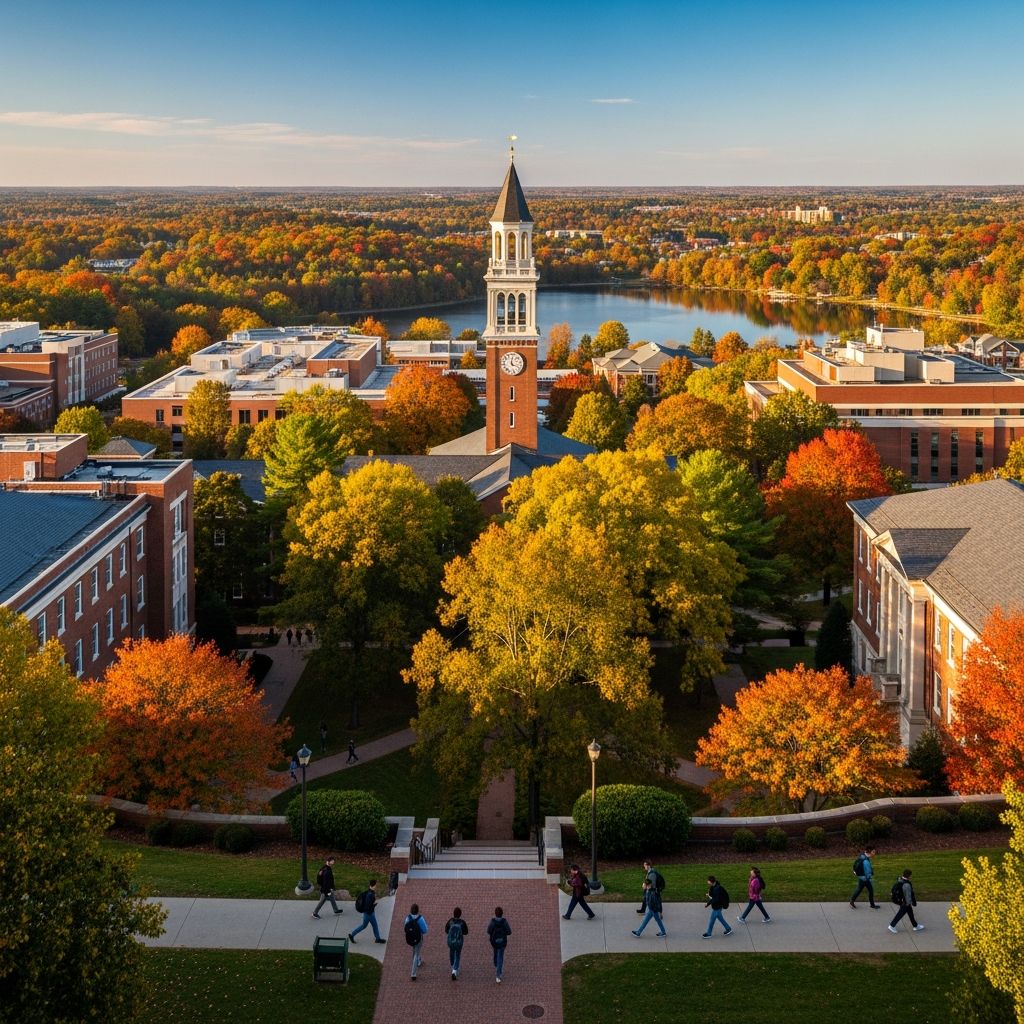
Harding University stands as a premier private Christian institution of higher education, committed to providing quality academics within an affordable framework. Located in Arkansas, Harding has earned recognition as a “Best College for the Money” by Money Magazine and College Factual, demonstrating its commitment to balancing educational excellence with financial accessibility. This comprehensive profile examines all critical aspects of the institution, from tuition and financial aid to graduation rates and career outcomes.
Understanding the Cost of Attendance
The total cost of attendance at Harding University for the 2025-2026 academic year reflects a structured breakdown of expenses designed to help families plan their educational investment. The annual cost of attendance is approximately $44,154, which encompasses tuition, fees, housing, and meal plans.
Tuition and Required Fees
Harding’s tuition is calculated at $940 per credit hour, translating to $14,100 per semester or $28,200 annually for full-time undergraduate students. In addition to tuition, students pay a technology fee of $420 per semester, or $840 per year. This technology fee supports the university’s commitment to providing modern digital resources and infrastructure for student learning and engagement across all academic programs.
Housing and Meal Plans
On-campus housing at Harding averages $2,593 per semester, totaling approximately $5,186 annually. The university’s all-access meal plan costs $2,700 per semester or $5,400 per year, ensuring students have comprehensive access to dining facilities throughout their academic experience. These residential components create a vibrant campus community where students live, learn, and grow together.
Comprehensive Financial Aid Programs
Recognizing that quality Christian higher education should be accessible to deserving students regardless of financial circumstances, Harding University provides extensive financial aid options. More than 90 percent of Harding students receive some form of financial assistance, with approximately $95 million in financial aid processed annually. These funds originate from federal, state, and private sources, creating multiple pathways for students to finance their education.
The Harding Grant
The Harding Grant represents the university’s direct commitment to affordability. This grant of $3,000 requires applicants to submit the FAFSA and maintain undergraduate admission status. Established specifically to make Christian higher education more affordable, the Harding Grant demonstrates institutional dedication to removing financial barriers for qualified students.
The Harding Guarantee
The Harding Guarantee functions as a last-dollar scholarship program, ensuring that when combined with a student’s eligibility for federal, state, and other free resources, 100 percent of remaining tuition costs are covered. However, this guarantee does not extend to fees, housing, or food charges. Students must be admitted to Harding University to qualify for this transformative program.
Merit-Based Scholarships
Merit-based aid plays a significant role in Harding’s financial aid structure. Approximately 36.1 percent of all undergraduates with no financial need receive merit aid, averaging $10,203 annually. For freshman class members, 36.9 percent of students with no demonstrated financial need received merit aid packages averaging $12,175. The National Merit Finalist scholarship represents the university’s recognition of academic excellence, awarding incoming freshmen selected as National Merit Finalists their first-choice status with full undergraduate tuition plus a $2,000 annual stipend, contingent upon maintaining a 3.25 GPA and living in campus housing.
Need-Based Financial Aid
For students demonstrating financial need, Harding provides robust support. Among undergraduates, 76.5 percent of financial aid applicants were found to have financial need, with 99.3 percent of those applicants receiving aid. The average award for students with demonstrated need totals $15,072 annually. Approximately 95.5 percent of aid recipients receive need-based gifts averaging $11,648, while 74.1 percent receive need-based self-help assistance averaging $4,607.
Specialized Scholarships and Awards
Harding offers numerous specialized scholarships targeting specific academic programs and student characteristics. Business students demonstrating financial need and commitment to Christian service upon graduation may qualify for departmental scholarships, typically divided among four recipients at approximately $2,500 annually. Finance majors in junior and senior status receive consideration for scholarships emphasizing scholarship, leadership, and diligence. Similarly, accounting majors pursuing public accounting careers can access multiple scholarship opportunities recognizing academic performance and leadership potential. Education majors receive dedicated support through scholarships recognizing leadership, diligence, reputation, and GPA. Media positions including Bison newspaper and Petit Jean yearbook editorial roles offer scholarships ranging from $250 to $2,000 per semester for editors, photographers, designers, and business managers.
Financial Aid Profile and Applicant Data
| Category | Freshman | All Undergraduates |
|---|---|---|
| Financial Aid Applicants | 648 (86.7%) | 2,383 (72.3%) |
| Students with Financial Need | 450 (69.4%) | 1,824 (76.5%) |
| Received Financial Aid | 450 (100%) | 1,811 (99.3%) |
| Average Award Amount | Varies | $15,072 |
| Need-Based Gift Average | N/A | $11,648 |
| Merit Aid Recipients | 276 (36.9%) | 1,190 (36.1%) |
Post-Graduate Success and Career Outcomes
Harding University’s commitment to student success extends beyond graduation. The institution demonstrates exceptional career placement outcomes, with 97 percent of graduates employed one year after graduation and 96 percent employed five years after graduation. These statistics reflect both the quality of education provided and the effectiveness of career services offered to students.
Alumni Network and Career Support
Ninety-five percent of students agree that the Harding alumni network is very strong, providing ongoing professional connections and opportunities for career advancement. The career center receives praise from 89 percent of students who feel the office was helpful in finding employment or internship opportunities. This robust support system contributes significantly to post-graduate success rates and long-term career trajectory.
Graduate Earnings and Debt Management
The average student loan debt at Harding is remarkably manageable at $7,203 per year, significantly lower than national averages. The institution reports a 0 percent loan default rate, indicating exceptional financial responsibility among graduates. Of 2024 graduates who took out loans, 58 percent borrowed money, with an average total indebtedness of $31,659 upon graduation. This conservative borrowing pattern reflects both the affordability of Harding’s education and responsible financial practices among students.
Graduation and Completion Rates
Harding University maintains strong graduation rates, measuring degree completion within six years for both transfer students and first-time students. The graduation rate serves as an important indicator of institutional effectiveness and student success. These metrics, combined with strong post-graduate employment outcomes, demonstrate that Harding students complete their degrees and enter the workforce prepared for professional challenges.
Value and Rankings Recognition
The combination of quality education and controlled costs positions Harding as an exceptional value in higher education. College Factual ranks Harding University #253 out of 2,223 institutions nationwide for value, reflecting the quality education provided combined with keeping costs low. Money Magazine’s consistent recognition of Harding as a “Best College for the Money” underscores this value proposition. These rankings acknowledge that Harding delivers strong academic outcomes without burdening students with excessive debt.
Net Price Calculator and Financial Planning Tools
To assist prospective students and families in financial planning, Harding provides a Net Price Calculator enabling personalized estimates of actual out-of-pocket costs. The Federal Student Aid Estimator further assists students in determining eligibility for federal financial aid. Additionally, the Prepaid Tuition Program allows families to purchase tuition credit at today’s rates for precollege children, providing protection against future tuition inflation.
Frequently Asked Questions
Q: What percentage of Harding students receive financial aid?
A: More than 90 percent of Harding University students receive some form of financial assistance from federal, state, or private sources, with approximately $95 million in total financial aid processed annually.
Q: How much does tuition cost at Harding University?
A: Harding’s tuition for 2025-2026 is $940 per credit hour, equaling $14,100 per semester or $28,200 annually for full-time undergraduate students.
Q: What is the Harding Guarantee?
A: The Harding Guarantee is a last-dollar scholarship covering 100 percent of remaining tuition costs when combined with federal, state, and other free resources. It does not cover fees, housing, or meal plans.
Q: What is the employment rate for Harding graduates?
A: Ninety-seven percent of Harding graduates are employed one year after graduation, and 96 percent remain employed five years after graduation.
Q: How strong is the Harding alumni network?
A: Ninety-five percent of students report that the Harding alumni network is very strong, providing valuable professional connections and career opportunities.
Q: What is the average student loan debt for Harding graduates?
A: The average annual student loan debt at Harding is $7,203, with 2024 graduates averaging $31,659 total indebtedness. The institution maintains a 0 percent loan default rate.
Q: Does Harding offer specialized scholarships?
A: Yes, Harding offers numerous specialized scholarships for business students, accounting majors, finance majors, education majors, and media positions, with amounts typically ranging from $250 to $2,500 per year.
Why Choose Harding University?
Harding University represents an investment in quality Christian higher education with strong return on investment. The combination of affordable tuition, comprehensive financial aid, exceptional graduation rates, strong post-graduate employment, and manageable student debt creates a compelling value proposition. Students benefit from a vibrant residential campus community, strong alumni network, effective career services, and dedicated faculty committed to individual student success.
The institution’s recognition as a “Best College for the Money” reflects genuine institutional commitment to accessibility without compromising academic quality. Whether through need-based aid, merit scholarships, or innovative programs like the Harding Guarantee, the university demonstrates dedication to removing financial barriers to education. For families seeking quality Christian higher education that combines affordability with outcomes, Harding University stands as a distinctive choice.
References
- Tuition, Costs, Scholarships and Financial Aid — Harding University. 2024-2025. https://www.harding.edu/admissions/cost/
- Harding University Graduate Rate, Income, & More — Niche. 2025. https://www.niche.com/colleges/harding-university/after-college/
- Harding University Tuition | CollegeData — CollegeData. 2024-2025. https://www.collegedata.com/college-search/Harding-University/money-matters
- Financial Aid | Scholarships, FAFSA, Net Price Calculator — Harding University. 2024-2025. https://www.harding.edu/about/offices-departments/finaid/
- What is the Value of a Harding University Degree? — College Factual. 2025. https://www.collegefactual.com/colleges/harding-university/paying-for-college/value-for-your-money/
- Harding University, AR – Complete Profile, Rankings and Data — Money Magazine. 2025. https://money.com/best-colleges/profile/harding-university/
Similar Articles








Read full bio of medha deb