Hard Skills: Definition, Examples & Career Importance
Master technical abilities that drive career success and professional growth in your industry.

Understanding Hard Skills: Definition and Core Concept
Hard skills are technical or learned abilities that are developed and refined through practice, repetition, and formal education. These measurable competencies form the foundation of job performance and enable professionals to execute specific tasks with proficiency and precision. Unlike their counterpart soft skills, which focus on interpersonal and behavioral qualities, hard skills are tangible capabilities that can be quantified, demonstrated, and verified through certifications, work experience, or practical assessments.
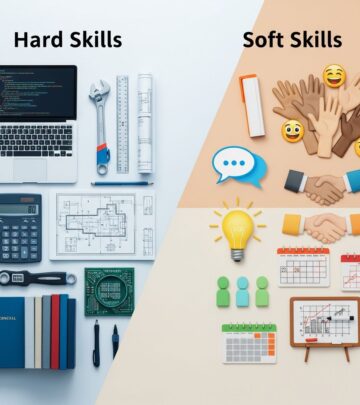
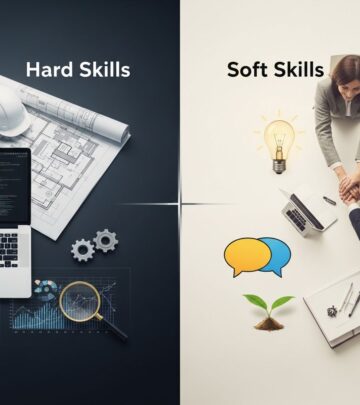
Hard skills are distinct from soft skills in that they directly relate to the technical requirements of a particular job or industry. While soft skills such as communication, teamwork, and leadership apply across virtually all career paths, hard skills tend to be specialized and industry-specific. A software developer’s proficiency in Python programming, for example, is highly specialized, whereas their ability to communicate effectively with team members is broadly transferable across different roles and organizations.
Key Characteristics of Hard Skills
Hard skills possess several defining characteristics that distinguish them from other types of professional competencies:
Industry and Job Specificity
Hard skills are typically tailored to specific careers, industries, or job roles. A cardiac surgeon requires different hard skills than a graphic designer, and a financial analyst needs different technical competencies than a mechanical engineer. This specialization means that hard skills are often prerequisites for entry into particular professions or advancement within specialized fields. However, it’s important to note that some hard skills do possess transferability—language fluency, for instance, is valuable across numerous industries and career paths.
Teachability and Measurability
One of the most significant advantages of hard skills is their measurable nature. These abilities can be tested, evaluated, and quantified through objective methods such as certifications, exams, portfolios, or performance metrics. This measurability makes it straightforward for employers to assess whether candidates possess the necessary technical competencies before hiring. An employer can verify that a candidate holds a valid project management certification or has demonstrated SQL proficiency through coding assessments.
Acquisition Through Formal Education and Training
Hard skills are acquired through structured learning pathways including formal education, professional certifications, vocational training, apprenticeships, and on-the-job experience. Unlike soft skills, which develop more organically through life experience and interpersonal interactions, hard skills require deliberate instruction and practice. A nurse must complete formal healthcare training to develop surgical skills, just as a web developer must study programming languages and frameworks.
Common Examples of Hard Skills Across Industries
Hard skills vary significantly based on industry and profession. Here are some prominent examples:
| Industry/Field | Hard Skills Examples |
|---|---|
| Technology and Software | Programming languages (Python, Java, C++), software development, SQL database management, cloud computing, cybersecurity, machine learning |
| Finance and Accounting | Financial modeling, budgeting, data analysis, understanding financial statements, tax preparation, auditing, investment analysis |
| Healthcare | Surgical procedures, diagnostic imaging, CPR certification, pharmaceutical knowledge, patient care protocols, medical coding |
| Engineering | CAD design, structural analysis, mechanical principles, electrical systems, civil engineering specifications, project estimation |
| Creative Fields | Graphic design, video production, photography, web design, copywriting, animation, audio editing |
| Skilled Trades | Plumbing, carpentry, electrical work, welding, HVAC systems, automotive repair, heavy equipment operation |
| Business and Management | Project management, inventory control, business analysis, strategic planning, data mining, financial forecasting |
Technical Skills in the Digital Age
In today’s increasingly digital workplace, certain technical hard skills have become highly sought after across industries. According to recent labor market data, the most in-demand hard skills include software development, SQL database management, finance and accounting, Python programming, and Java programming. These skills represent the intersection of technological advancement and business necessity, as organizations across sectors seek professionals who can leverage data, automate processes, and develop digital solutions.
Beyond traditional programming, emerging hard skills such as blockchain development, artificial intelligence and machine learning, data analysis, and cloud infrastructure management are rapidly gaining importance. Professionals who develop expertise in these areas position themselves advantageously in competitive job markets.
Hard Skills vs. Soft Skills: Understanding the Distinction
While both hard skills and soft skills are valuable for career success, they serve different functions in the workplace. Hard skills are technical, measurable, and industry-specific, whereas soft skills are behavioral, interpersonal, and universally applicable. A project manager might possess hard skills in budget forecasting and timeline estimation, while simultaneously needing soft skills in communication, conflict resolution, and team motivation.
The most successful professionals typically develop a balanced combination of both skill types. Technical expertise without interpersonal effectiveness can limit career advancement, just as strong communication abilities cannot compensate for inadequate technical competency in specialized roles. Employers increasingly recognize this balance, with surveys indicating that 93% of employers consider soft skills essential or very important in hiring decisions, yet hard skills remain non-negotiable for performing core job functions.
Why Hard Skills Matter for Career Success
Hard skills form the backbone of professional competency and organizational productivity. Several factors underscore their importance:
Quality and Efficiency
Hard skills directly impact work quality and operational efficiency. An accountant with advanced financial modeling skills produces more accurate analyses faster than someone without these technical competencies. A software developer proficient in multiple programming languages can write cleaner, more efficient code than a novice programmer.
Professional Standards and Compliance
Many industries have specific standards, regulations, and certification requirements that professionals must meet. Healthcare providers must maintain current CPR certifications and understand specific medical protocols. Engineers must comply with building codes and safety standards. Financial professionals must understand and adhere to accounting principles and regulatory requirements. Employing professionals with appropriate hard skills certifications ensures organizational compliance and protects both the business and the public.
Competitive Advantage
Specialized hard skills create competitive advantage in the job market. A graphic designer proficient in the latest design software and emerging design trends commands higher compensation than one with outdated technical knowledge. Similarly, organizations that employ professionals with cutting-edge hard skills gain advantages in innovation and service delivery.
Career Progression
Hard skills often serve as prerequisites for career advancement. Leadership roles increasingly require technical understanding of the domains they oversee. A technology manager should understand software development principles, and a financial services director should possess accounting expertise. Continuous development of hard skills opens doors to higher-level positions and increased earning potential.
How to Develop and Demonstrate Hard Skills
Building hard skills requires intentional effort and structured learning. Several proven methods exist for developing these technical competencies:
Formal Education and Certification
Pursuing relevant degrees, diplomas, or professional certifications provides credible evidence of hard skill mastery. University programs, vocational schools, coding bootcamps, and industry-specific certification programs offer structured pathways to developing technical expertise. Credentials from recognized institutions signal to employers that you possess verified competency in specific areas.
Practical Work Experience
On-the-job experience is perhaps the most effective method for developing and demonstrating hard skills. Specific examples of how you’ve applied technical skills in previous roles showcase your practical capabilities. When interviewing for a new position, concrete examples of past projects—such as implementing a new accounting system, developing a mobile application, or managing a complex construction project—provide compelling evidence of your technical abilities.
Publications and Presentations
Creating published work, research papers, articles, or presentations demonstrates deep knowledge in specific technical areas. A data scientist who publishes research on machine learning algorithms, an engineer who presents at industry conferences, or a technical writer who publishes instructional guides all demonstrate substantive expertise that extends beyond certifications alone.
Portfolio Development
For creative and technical fields, maintaining a portfolio of your work provides tangible evidence of hard skills. Graphic designers showcase design projects, software developers maintain GitHub repositories demonstrating code quality, and photographers curate galleries of their best work. Portfolios allow potential employers to directly assess the quality and scope of your technical abilities.
Continuous Learning
Technology and industry practices evolve constantly. Maintaining and upgrading hard skills through ongoing training, online courses, workshops, and professional development ensures your technical competencies remain current and valuable. Professionals who commit to continuous skill enhancement stay competitive throughout their careers.
Showcasing Hard Skills to Employers
When applying for positions or interviewing, effectively communicating your hard skills makes a significant difference. The STAR method—Situation, Task, Action, Result—provides a structured framework for demonstrating hard skills during interviews. Rather than simply stating you have project management skills, describe a specific situation where you managed a complex project (situation), identified your role and objectives (task), explained the actions you took using project management tools and methodologies (action), and quantified the results (result).
Your resume should specifically list hard skills mentioned in job descriptions, ensuring alignment between your qualifications and employer needs. During interviews, prepare specific examples of how you’ve applied each hard skill you claim to possess. This evidence-based approach to demonstrating competency carries more weight than general assertions about technical abilities.
Hard Skills in the Future of Work
As industries continue evolving, the landscape of in-demand hard skills shifts accordingly. Artificial intelligence, data science, cybersecurity, renewable energy technologies, and biotechnology represent growth areas where new hard skills are emerging. Professionals who anticipate these trends and proactively develop relevant technical competencies position themselves advantageously for future opportunities.
Simultaneously, foundational hard skills remain valuable across time. Project management, financial analysis, quality assurance, and technical writing skills apply across decades and industries. A balanced approach—maintaining core technical competencies while staying informed about emerging skill demands—creates career resilience and flexibility.
Frequently Asked Questions
Q: What is the difference between hard skills and soft skills?
A: Hard skills are technical, measurable abilities specific to particular jobs or industries, acquired through education and training. Soft skills are interpersonal and behavioral qualities like communication and teamwork that apply across all careers. Hard skills are easier to quantify and demonstrate, while soft skills are more subjective and universal.
Q: Can hard skills be transferred between industries?
A: While hard skills are generally industry-specific, some are transferable. Language fluency, data analysis, project management, and certain software proficiencies apply across multiple industries. However, many hard skills remain specialized to particular fields or roles.
Q: How long does it take to develop hard skills?
A: The timeline varies significantly depending on the skill complexity and learning method. Professional certifications might require several months, degree programs typically take years, while mastering specialized technical skills through experience might require several years of consistent practice and focused learning.
Q: Are hard skills more important than soft skills for career advancement?
A: Both are essential for career success. Hard skills determine your ability to perform specific job functions, while soft skills enable effective collaboration and communication. Career advancement typically requires developing both types of competencies in balanced measure.
Q: How can I identify which hard skills are most valuable in my industry?
A: Review job postings in your field to identify frequently mentioned technical requirements. Research industry reports and LinkedIn data on in-demand skills. Speak with professionals already established in your desired career path to understand which hard skills provide the greatest competitive advantage.
Q: What are the most in-demand hard skills currently?
A: According to recent labor market analysis, the most in-demand hard skills include software development, SQL database management, finance and accounting proficiency, Python programming, Java programming, and data analysis. Emerging high-demand skills include cloud computing, artificial intelligence, and cybersecurity.
References
- What Are Hard Skills? Definition and Examples — Thrive Learning. 2025. https://www.thrivelearning.com/lms-glossary/what-are-hard-skills
- Hard Skills – Definition and Examples to Boost your Resume — Corporate Finance Institute. 2025. https://corporatefinanceinstitute.com/resources/management/hard-skills/
- Hard Skills vs. Soft Skills: Definitions and 50+ Examples — EdgePoint Learning. 2025. https://www.edgepointlearning.com/blog/hard-skills-vs-soft-skills/
- What Is the Difference Between Hard Skills and Soft Skills? — Walden University Lifelong Learning. 2025. https://lifelonglearning.waldenu.edu/resource/what-is-the-difference-between-hard-skills-and-soft-skills.html
- Hard and Soft Skills for Career Preparation — Michigan State University College of Agriculture and Natural Resources. 2025. https://www.canr.msu.edu/news/hard_and_soft_skills_for_career_preparation
Similar Articles








Read full bio of medha deb