Hard Inquiry Removal: Credit Score Effects
Discover what occurs when hard inquiries vanish from your credit report and how it influences your financial profile.

Removing a hard inquiry from your credit report can lead to a modest boost in your credit score, though the change is typically small since inquiries represent only a minor factor in scoring models. These inquiries remain visible for two years but influence scores for just one year, so their removal often has limited long-term impact.
Defining Hard Inquiries in Credit Contexts
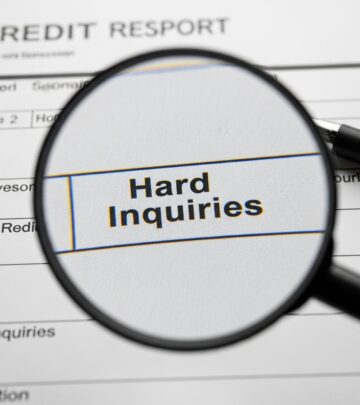
Hard inquiries, known as hard pulls or hard credit checks, happen when a lender accesses your credit report during a credit application process, such as for loans, credit cards, or credit limit increases. This action requires your authorization and signals to future lenders that you’re seeking new credit.
Unlike soft inquiries, which occur for pre-approvals or personal reviews and do not affect scores, hard inquiries are recorded and can slightly ding your score. They provide lenders with a full view of your credit history, including payment records, balances, and account ages.
| Feature | Hard Inquiry | Soft Inquiry |
|---|---|---|
| Credit Score Impact | Temporary drop (a few points) | No impact |
| Trigger | Credit application | Pre-approvals, self-checks |
| Authorization Needed | Yes | Often no |
| Report Duration | 2 years | 2 years |
Timeline for Hard Inquiries on Reports
Hard inquiries appear on your credit reports from the three major bureaus—Experian, Equifax, and TransUnion—for up to two years from the date of the inquiry. However, most scoring models, like FICO, only consider them for the first 12 months in calculations.
After one year, their direct effect on scores fades, even if they remain visible. This visibility can still influence lender perceptions during manual reviews, potentially raising concerns about credit-seeking behavior.
Score Changes After Inquiry Removal
When a hard inquiry is removed, whether automatically after two years or through a dispute, your credit score may rise by 5-10 points per inquiry, depending on your overall credit profile. The impact is minimal because inquiries account for just 10% of FICO scores.
- Strong credit profiles: Little to no noticeable change, as other factors dominate.
- Thin credit files: More significant boost due to fewer positive factors.
- Multiple inquiries: Cumulative removal can yield larger improvements.
Recovery from inquiries often occurs naturally within months through responsible credit use, like timely payments and low utilization.
Valid Reasons for Removing Inquiries
Not all hard inquiries qualify for early removal. Legitimate ones from authorized applications cannot be erased prematurely, as credit bureaus must report accurate information.
However, removal is possible if:
- The inquiry is unauthorized, indicating potential identity theft.
- It results from a clerical error by the lender or bureau.
- More than two years have passed since the inquiry date.
Disputing inaccuracies is a consumer right under the Fair Credit Reporting Act (FCRA), enforced by the Consumer Financial Protection Bureau.
Step-by-Step Inquiry Dispute Process
To remove an erroneous hard inquiry:
- Obtain your reports: Get free weekly reports from AnnualCreditReport.com.
- Identify issues: Note unauthorized or outdated inquiries.
- File a dispute: Online, by mail, or phone with the bureau (e.g., Experian.com/dispute).
- Provide evidence: Include application denials or identity theft reports.
- Follow up: Bureaus investigate within 30 days; results are mailed.
If the bureau upholds the inquiry, you can add a statement of dispute to your report.
Automatic Removal and Report Aging
Hard inquiries drop off reports automatically after 24 months. No action is needed, and scores stabilize as older inquiries lose influence after 12 months.
Regularly monitoring reports ensures timely removal. Tools like credit monitoring services alert you to changes.
Strategies to Minimize Inquiry Impacts
Proactive habits reduce the need for removals:
- Limit applications to essentials; space them out.
- Rate shop within 14-45 day windows for mortgages, auto, or student loans—multiple pulls count as one.
- Use pre-qualification soft pulls first.
- Maintain low credit utilization and on-time payments to offset effects.
Multiple Inquiries: Risks and Rate Shopping
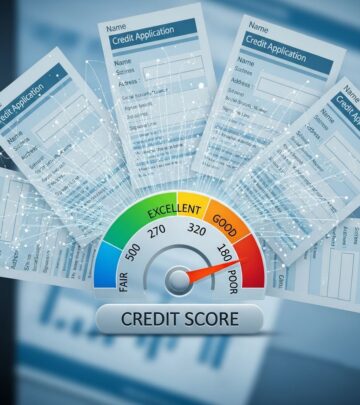
Several inquiries in a short period can signal risk to lenders, dropping scores more noticeably. However, FICO and VantageScore treat rate shopping as a single inquiry for specific loan types within windows.
| Loan Type | Rate Shopping Window |
|---|---|
| Mortgage | 45 days |
| Auto | 14-45 days |
| Student Loan | 45 days |
| Credit Card | No window (each counts) |
Unauthorized Inquiries and Fraud Protection
Spotting unfamiliar inquiries is crucial. They may indicate fraud. Steps include disputing with bureaus, contacting the inquirer, and placing a credit freeze.
A freeze prevents new hard pulls without your PIN, ideal for fraud prevention.
Long-Term Credit Health Beyond Inquiries
Inquiries are minor (10% of FICO). Prioritize payment history (35%), utilization (30%), length of history (15%), new credit (10%), and mix (10%). Consistent management yields the best scores.
Frequently Asked Questions
Do hard inquiries always lower my score?
Typically by a few points; impact varies by profile. One or two rarely derail approvals.
How long until inquiries stop affecting scores?
12 months for FICO; they stay on reports for 24 months.
Can I remove legitimate inquiries early?
No, unless erroneous. Wait for natural expiration.
What’s the difference between FICO and VantageScore on inquiries?
Both limit impact to 12 months, but windows for rate shopping differ slightly.
Should I close old accounts with inquiries?
No; closing hurts utilization and history length more than old inquiries.
References
- What Is a Hard Inquiry and How Does It Affect Credit? — Experian. 2023-10-01. https://www.experian.com/blogs/ask-experian/what-is-a-hard-inquiry/
- Hard Inquiry — Achieve. 2024-05-15. https://www.achieve.com/glossary/h/hard-inquiry
- What Is a Hard Inquiry? — Discover. 2024-02-20. https://www.discover.com/credit-cards/card-smarts/what-is-hard-inquiry/
- What is a credit inquiry? — Consumer Financial Protection Bureau. 2023-11-10. https://www.consumerfinance.gov/ask-cfpb/what-is-a-credit-inquiry-en-1317/
- What Is a Soft Credit Check? Soft Pull vs. Hard Pull — Credit Karma. 2024-01-05. https://www.creditkarma.com/credit/i/hard-credit-inquiries-and-soft-credit-inquiries
- Soft Inquiry vs. Hard Inquiry: Credit Checks Explained — Citi. 2024-03-12. https://www.citi.com/credit-cards/understanding-credit-cards/hard-and-soft-credit-inquiries
Similar Articles








Read full bio of medha deb